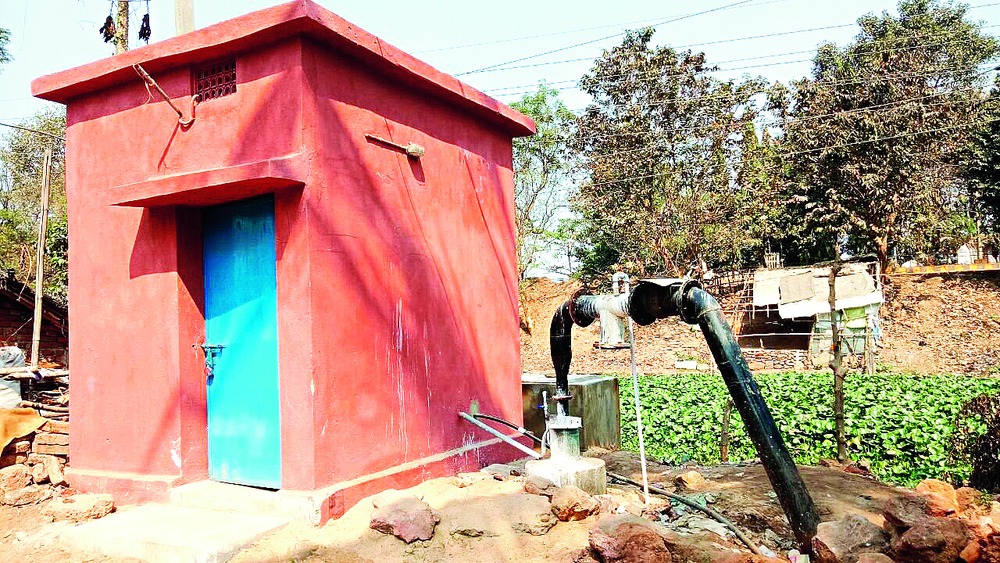

Cuttack, Feb. 13: Authorities have confirmed that a production well that supplies water in ward No. 8 was the source of E. coli bacteria that caused an outbreak of jaundice in the area in the past two months.
More than 50 jaundice cases have been detected at the Matha Sahi locality of Tulsipur.
Bacteriological tests of water samples collected from the locality by a health department team from the chief district medical officer's office confirmed presence of the E. coli bacteria.
"We have asked the public health division to seal the production well after reports of the water samples collected by the health department confirmed presence of the E. coli bacteria in the pipe water and indicated the contamination of the production well in the area," municipal commissioner Gyana Das told TheTelegraph today.
"But the public health division officials are seeking a reconfirmation of the report through a fresh bacteriological analysis of water samples along with the health department team," Das said.
Samples were collected from three places at Matha Sahi on Thursday and were sent for test.
"If the report confirms the presence of E. coli, we will immediately seal the production well," Sushant Ghadei, executive engineer, PHD-1, Cuttack, told The Telegraph today.
Reports of a few jaundice cases from the adjoining areas under ward No. 8 prompted the civic body to take precautionary measures.
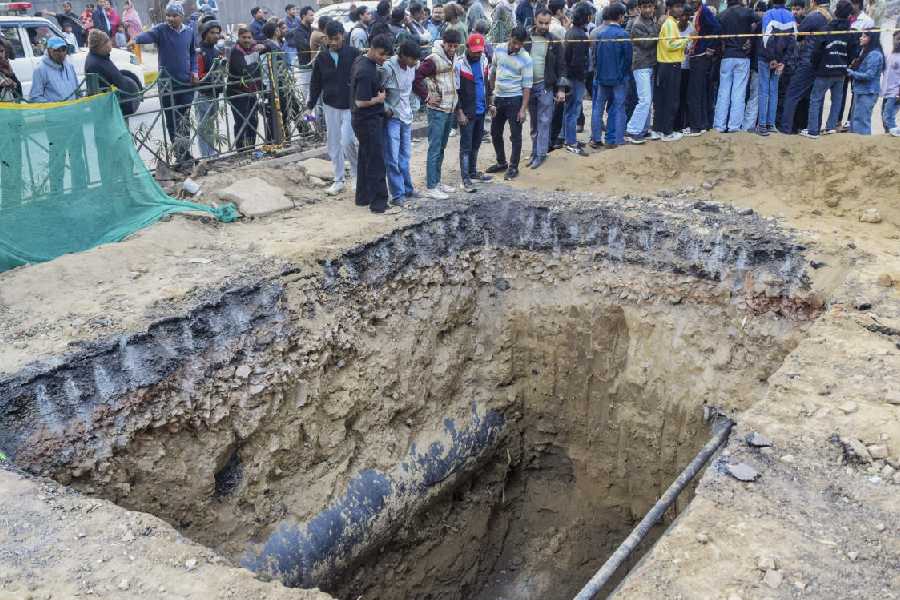
The Cuttack Municipal Corporation's standing committee for health and sanitation head Ranjan Kumar Biswal said: "We have started preventive exercises on maintaining proper sanitation by ensuring hygiene and cleanliness in the adjoining areas of ward No. 9 and No. 16. We have urged health department officials to expedite the process of replacing leaking pipelines close to the drains in ward No. 9, No. 16 and No.8."
Ghadei said: "The process of replacing old pipelines passing through drainage channels in ward No. 8 had slowed down because of the ongoing work of laying the sewer network under the Japan International Cooperation Agency funded project."
"Special squads have been appointed for detection of leakages, realignment of pipelines in ward No. 9 and No. 16," Ghadei said.
Matha Sahi resident Udaya Sahu said: "The pipelines are only replaced in the affected areas. Unless all leaking and corroding pipelines in the city are fixed, such outbreaks cannot be prevented."
The city had witnessed similar outbreaks between March and May last year because of broken water pipelines.
Around 60 people were infected by the water-borne disease in Jobra. There were two outbreaks in the city in 2014 as well. Thirty-six cases were detected in Chauliaganj in April and 60 cases were detected in Alamchand Bazar, Mehendipur, Kaligali and Kazi Bazar in September.
In February 2015, nearly a hundred cases were detected in Jobra, Manglabag, Machuabazar, Thoria Sahi, Nahak Sahi, Gamhandia, Pattapol and Sutahat.