|
 |
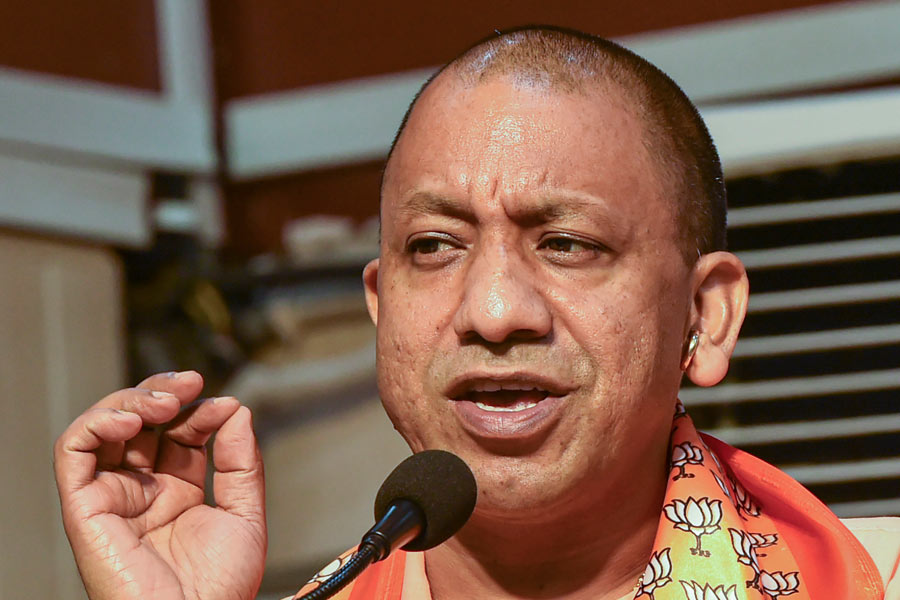
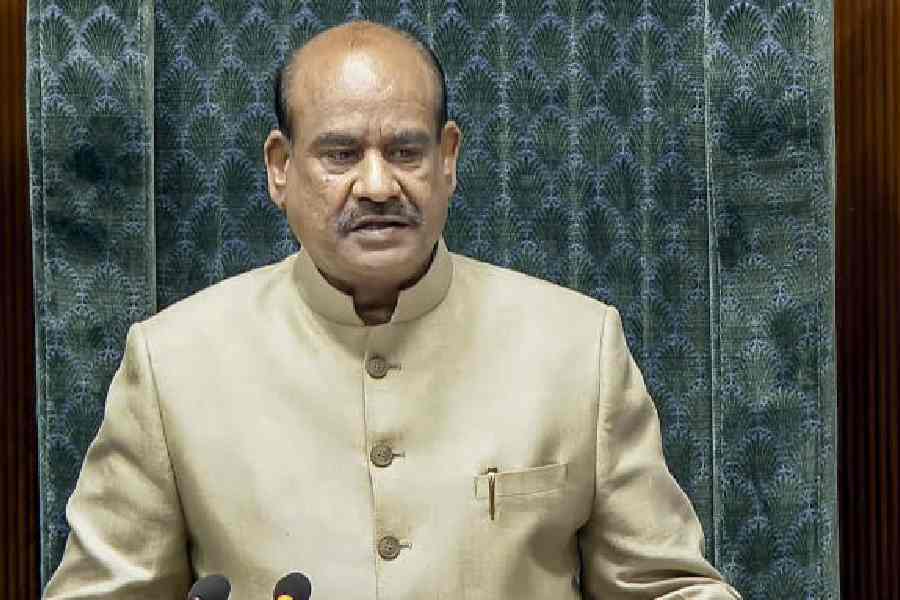
| Naveen Patnaik and Manmohan Singh |
New Delhi, March 24: Prime Minister Manmohan Singh’s voting against a constitutional bill in Rajya Sabha today that sought to change the state’s name from Orissa to Odisha probably came as a shock for Oriyas.
The Rajya Sabha today passed The Orissa (Alteration of Name) Bill, 2010 and adopted the 113th constitutional amendment bill that changed the state’s name to “Odisha” and that of the Oriya language to “Odia”. The state’s name would be changed after the President gives her assent to the Bill, which has been passed by both the Houses of Parliament. Now, it is just a matter of formality.
The only hitch in an otherwise smooth voting was the PM’s repeated abstaining or voting against the bill — at least that is what the electronic display in the lower house showed. The two bills and their several clauses were put to vote half dozen times as such a bill requires the support of at least two-thirds of members present. Besides, a majority of the strength of the House should be present for voting. The upper House has a strength of 245, of which 169 were present today.
The PM’s initial attempt at voting did not register on the electronic screen. His subsequent two attempts showed as “N” or “No” and a blank on the screen. Congress MP Ashwani Kumar then informed the chair that there seemed some problem with the voting panel at the PM’s seat.
Deputy chairman K. Rehman Khan said there could be a mechanical problem with the machine leading to some mirth in the House. A member averred if this was the case in Parliament, one could only imagine the condition of electronic voting machines in polling booths in remote areas.
Eventually, after repeated problems, the PM registered his vote on a paper slip as did some other members including Shiv Sena’s Manohar Joshi, whose voting panels were malfunctioning. The bills were passed unanimously with all 169 members present in the House voting in favour.
Earlier, home minister P. Chidambaram moved the bills in the House. He said Orissa legislative Assembly adopted a resolution on 28 August 2008 to alter the name of the state as specified in the First Schedule of the Constitution.
Lok Sabha had passed the Bill on November 9 last year during Parliament’s winter session. Members from all political parties supported the move in the brief debate that followed. Participating in the debate, members said the name change was the process of decolonisation as Britishers had changed the Indian names of cities and states.
Pyari Mohan Mohapatra (BJD) said it was a “great moment” for people of the state.
R.C. Khuntia (Congress) rued that the state, which was prosperous once, has become poverty-stricken. He, however, hoped the change of name would fulfil the aspirations of the people. During the debate, BJP and Congress members sought to target chief minister Naveen Patnaik charging him with non-performance and of heading a scam-ridden government.
BJP’s Rudra Narayan Pany said the Orissa CM could not even speak the local language. “It is a serious matter,” he said. Referring to the name change, BJP’s Chandan Mitra said: “Orissa regains its prestige and sense of history.”
Orissa joins the list of states whose names were changed after independence. These include Tamil Nadu (known as Madras state till 1969), Kerala (renamed from Travancore-Cochin in 1956), Karnataka (known as Mysore state till 1973) and Madhya Pradesh (renamed from Madhya Bharat in 1959). The latest instances were when Uttaranchal was renamed Uttarakhand in 2007 and union territory Pondicherry was renamed Puducherry.