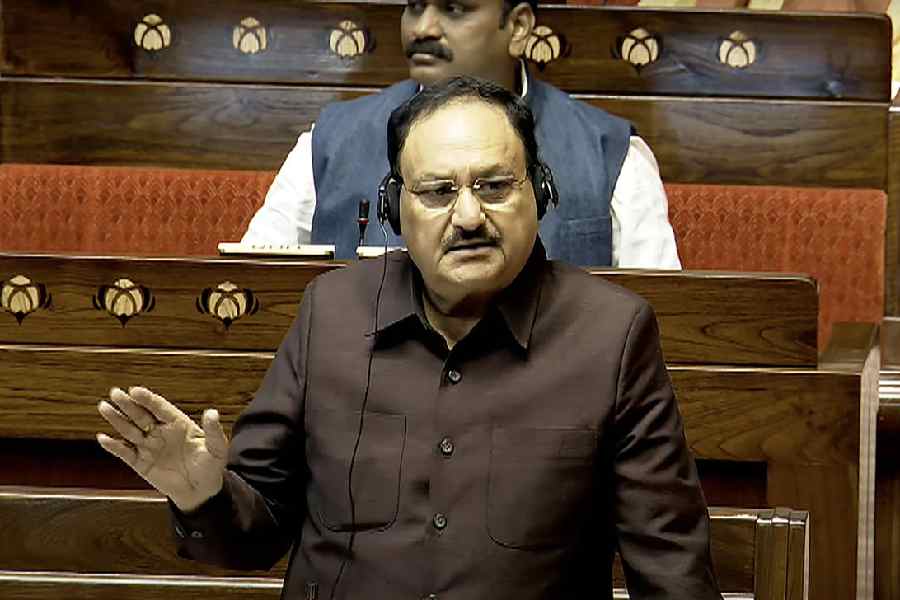
New York, Oct. 16: Citigroup’s board said today that Vikram S. Pandit had stepped down as chief executive, effective immediately, and will be replaced by the head of the bank's European and Middle Eastern division, Michael L. Corbat.
John P. Havens, Citi’s president and a long-time associate of Pandit, has also resigned.
The surprising move by Pandit comes just one day after the firm reported stronger-than-expected third-quarter earnings. Excluding a number of onetime charges -- including a big loss tied to the continued shedding of the Smith Barney brokerage -- Citi earned $3.27 billion, or $1.06 a share. That bested analyst estimates of 96 cents a share.
Shares in Citi fell 3 percent in pre-market trading on Tuesday, to $35.55.
Under Pandit’s tenure, which began shortly before the financial crisis of 2008, Citi struggled through enormous market upheaval and needed several rescue lines from the government.
But it has slowly recovered, in large by shedding big portions of its businesses. Among them is Smith Barney, the brokerage operation that is being absorbed by Morgan Stanley.
“Given the progress we have made in the last few years, I have concluded that now is the right time for someone else to take the helm at Citigroup,” Pandit said in a statement. “I could not be leaving the company in better hands.”
With his departure, just two men who ran Wall Street banks during the financial crisis remain in their posts, Jamie Dimon of JPMorgan Chase and Lloyd C. Blankfein of Goldman Sachs. Both firms rebounded from the upheaval much more quickly and strongly than Citi has.
An immigrant from India who quickly ascended the ranks of Morgan Stanley before turning to hedge funds, Pandit was long seen as an unusual choice to lead Citi. But the banking giant purchased Old Lane, his investment firm, and then tapped him in December of 2007 to do what a succession of leaders could not: push the firm into profitability.
Born of a string of acquisitions by Sanford I. Weill, Citi initially seemed like an imposing colossus on Wall Street, combining investment and consumer banking, hedge fund services and insurance. But the firm whose birth presaged the fall of decades-old banking regulations proved unwieldy to manage, with a labyrinthine bureaucracy and underperforming divisions.
Under Charles O. Prince III, Pandit’s successor, the firm announced more than $18 billion in write-downs because of souring investments in complex mortgage securities.
In an acknowledgement of the difficult task ahead, Pandit said that he took a token $1 annual salary until the firm began earning profits again. But the untested chief executive struggled with turbulent markets, culminating in the financial crisis that left Citi in need of a $45 billion bailout from the government.