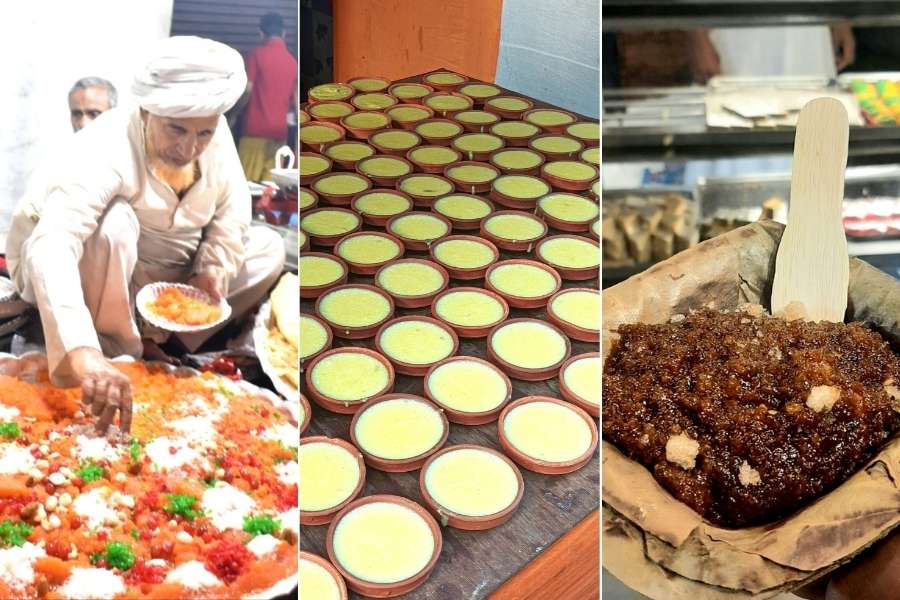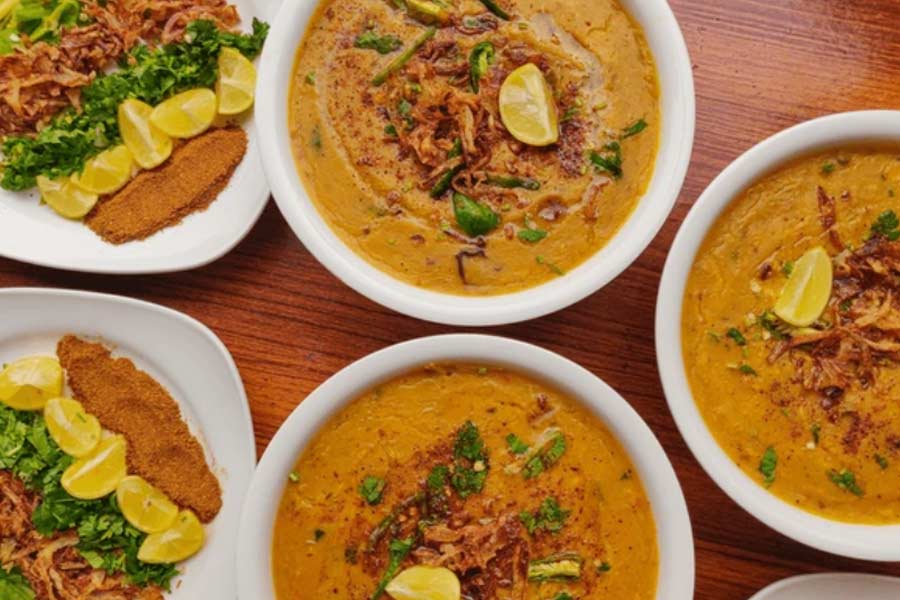
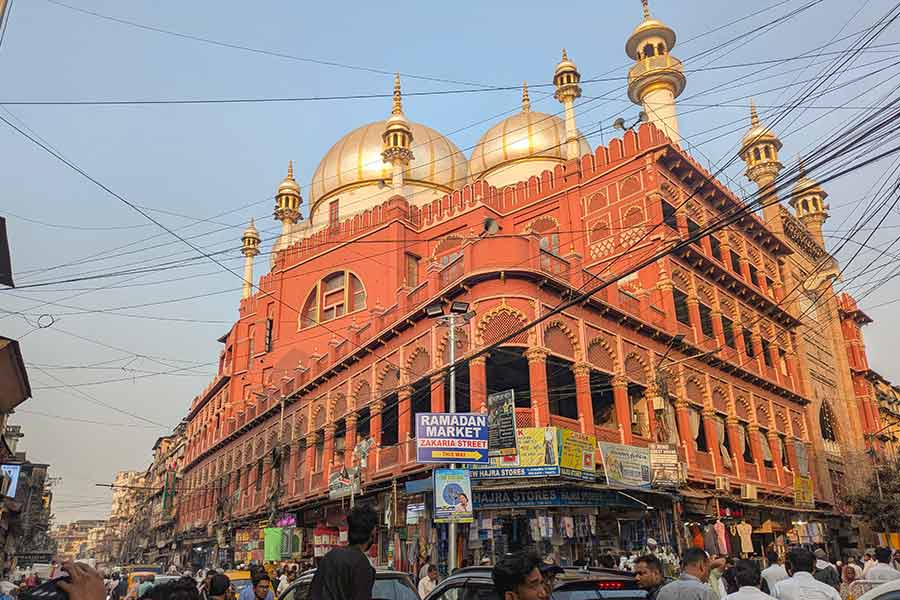
On the sides of Zakaria Street, Park Circus and Metiaburuz simmers haleem in giant dekchis. The fragrance of meat and wheat rises into the evening air, and queues form long before iftar. Thick and glistening, haleem is as much an indulgence as it is a ritual.
But haleem is never just a spiced lentil soup with meat. Like biryani, it travels and changes its characteristics.
The haleem clan is regionally different
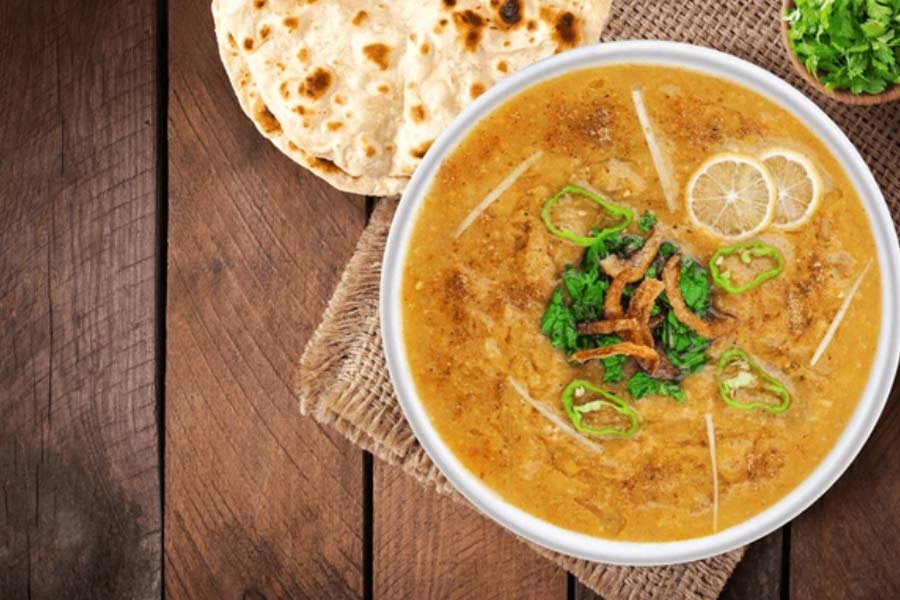
There are many other variants of haleem that the city is deprived of
“Just like Biryani, Haleem too has its variations in different regions, though the basic ingredients remain the same — four types of dal, broken wheat, small grain rice and meat,” said Manzilat Fatima, great-great-granddaughter of Nawab Wajid Ali Shah.
While Kolkata relishes the usual haleem that is Kolkata-style, very similar to what is popular as Bangladeshi haleem, there are many other variants that the city is deprived of.
Distinguishing the haleems, Manzilat explained, “The basic difference comes with the treatment of various lentils — whether they are soaked, boiled or mashed. Hyderabadi haleem dal is ground finely, and the proportion of meat is higher than lentils; it gives a very pasty texture to the preparation, and the meat fibres can be felt in the mouth.”
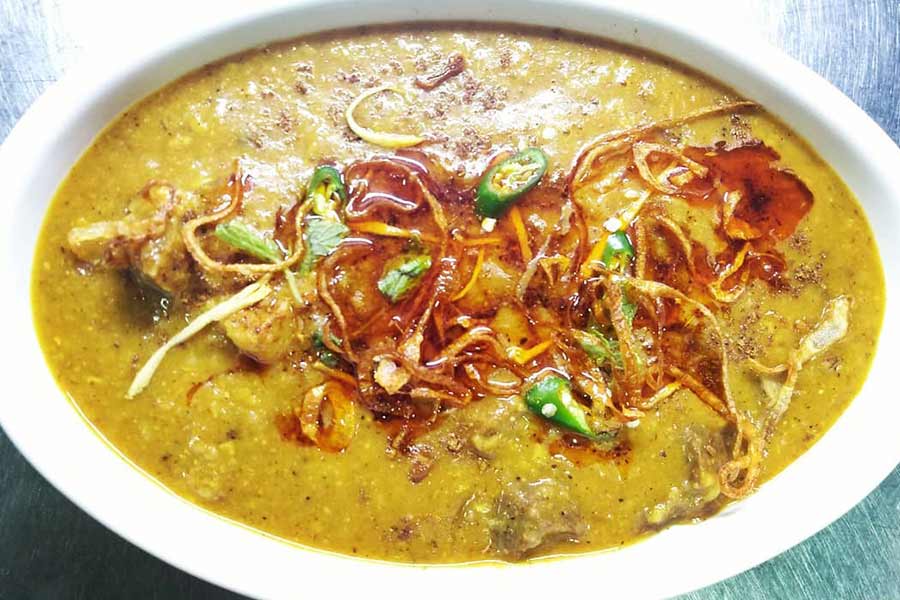
Manzilat’s haleem Picture by Manzilat Fatima
The Kolkata-style haleem lentils are smooth, not pasty; the dal is full of tiny, tender meat chunks. However, Manzilat, who runs home diner Manzilat’s at Kasba, said, “In Awadhi cuisine, Khichra is more popular during Moharram and around the year, not necessarily during Ramzan.”
Her explanation feels like a culinary map.
The Hyderabadi version, perhaps the most famous, is loaded with ghee and slow-cooked mutton, beaten into a paste so silky that it coats the spoon. In many Kolkata eateries, especially during Ramadan pop-ups, this style is proudly advertised as rich and indulgent. But the availability of this royalty is luck by chance with Paradise Restaurant shutting down.
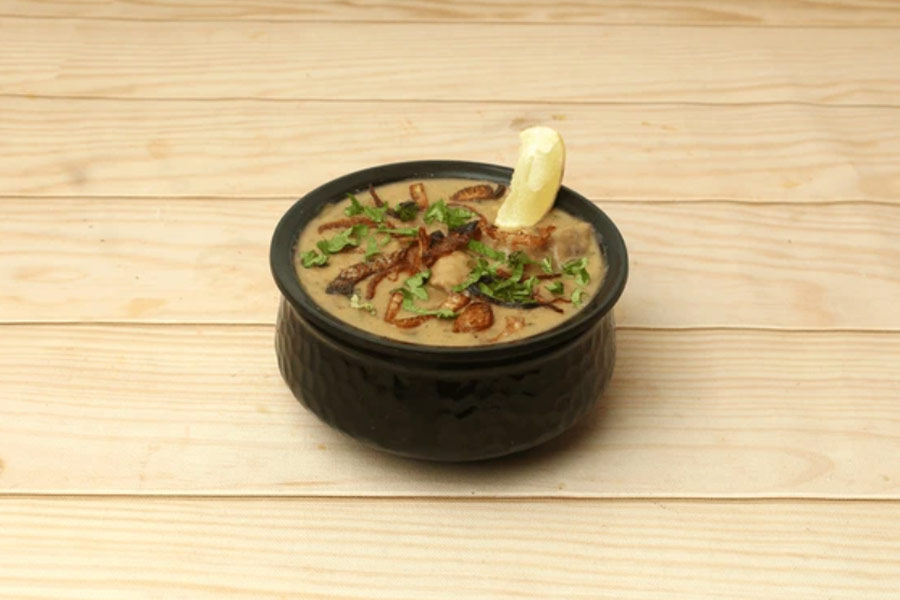
Hyderabadi haleem is loaded with ghee and slow-cooked mutton, beaten into a paste
The regular haleem, widely available in central Kolkata’s Muslim neighbourhoods, is thicker and often more lentil-forward, sometimes spicier, scooped up with naan.
The other haleems
Kolkata does not get a taste of Lahori or Pakistani-style haleem, usually beef-based, which leans into a stew-like heartiness, cooked for hours until the grains surrender completely.
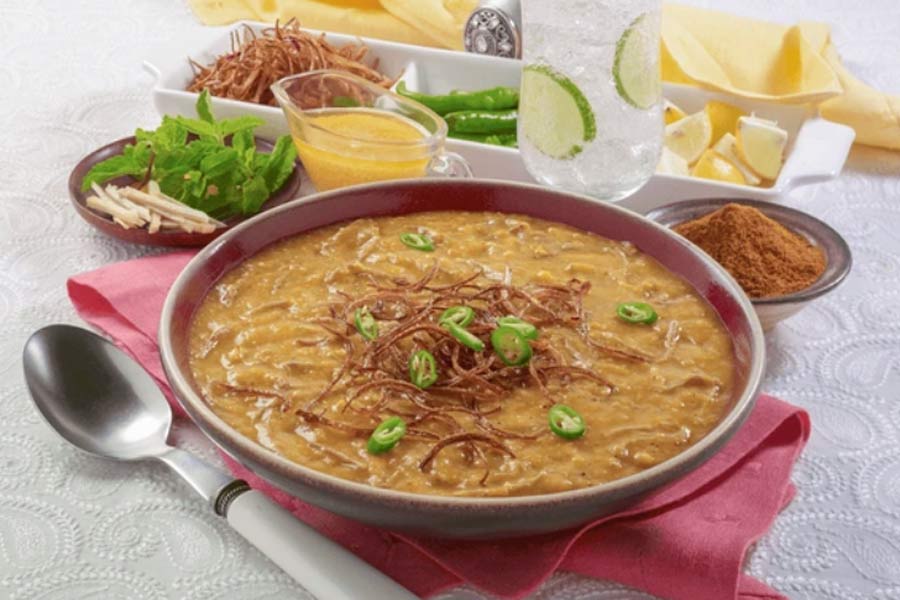
Kashmiri Hareesa, softer in spice, fragrant with saffron, more comfort than spectacle
Then there is Kashmiri Hareesa, softer in spice, fragrant with saffron, more comfort than spectacle. And further west, Middle Eastern harees, considered an ancestor to haleem, is simpler, almost austere, letting wheat and meat speak without too much embellishment. One may find these at the Mediterranean and Kashmiri restaurants serving these cuisines.
Vegetarian haleem too has takers around the world, replacing meat with vegetables and dried fruits, offering inclusivity.