A one-day pop-up at Gariahat’s Karma Kettle on Sunday took patrons on a culinary journey through nine regions. Jajabor The Nomad’s Pantry menu by food anthropologists Amrita Bhattacharya and Amit Sen explored migration, memory and indigenous ingredients in a tapas format.
A culinary map of the Bengali diaspora unfolded through small plates that stitched together forest produce, coastal flavours and global influences.
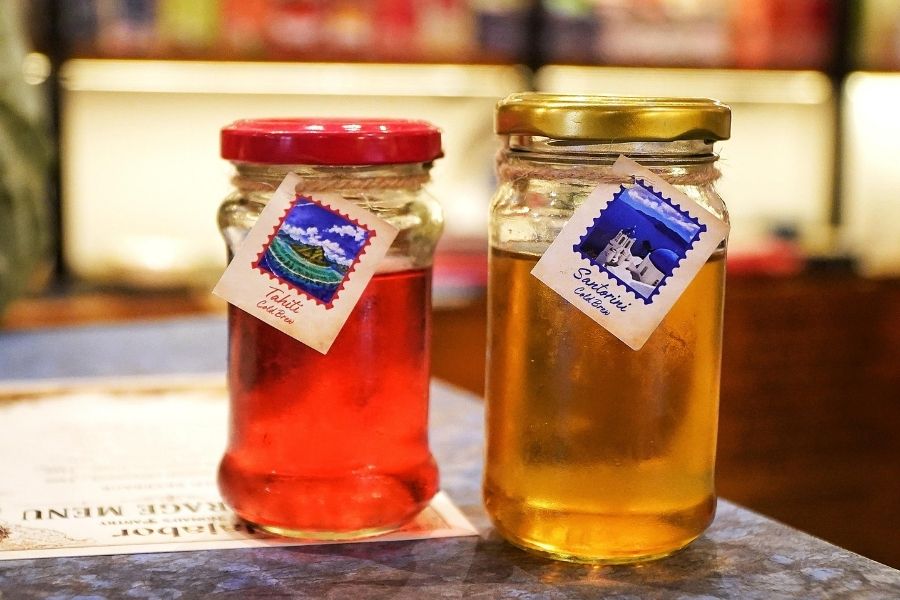
The menu moved from the Sundarbans to the Mekong, from Andaman shores to the Carpathian mountains, without losing its Bengali soul. The food was paired with Karma Kettle’s special cold brews.
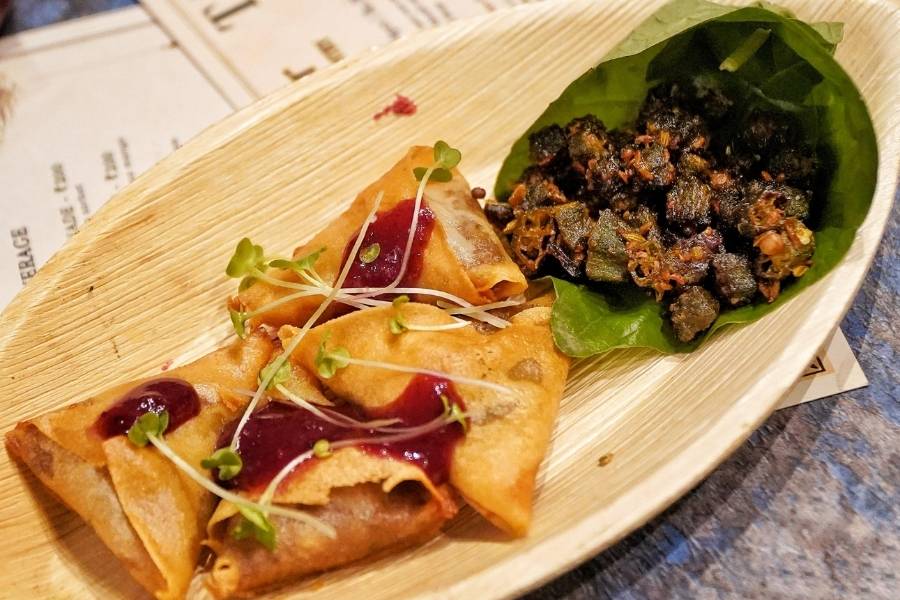
The first to arrive on the table was Sundarban mini samosa, which swapped the predictable potato for taro root and wild greens, its tangy accompaniments lifting the earthiness.
“The shape of the samosa represents the Sundarban delta. We have paired this with a tangy ladyfinger and jamun chutney,” explained chef Amrita Bhattacharya. A paan chai was served along with it.
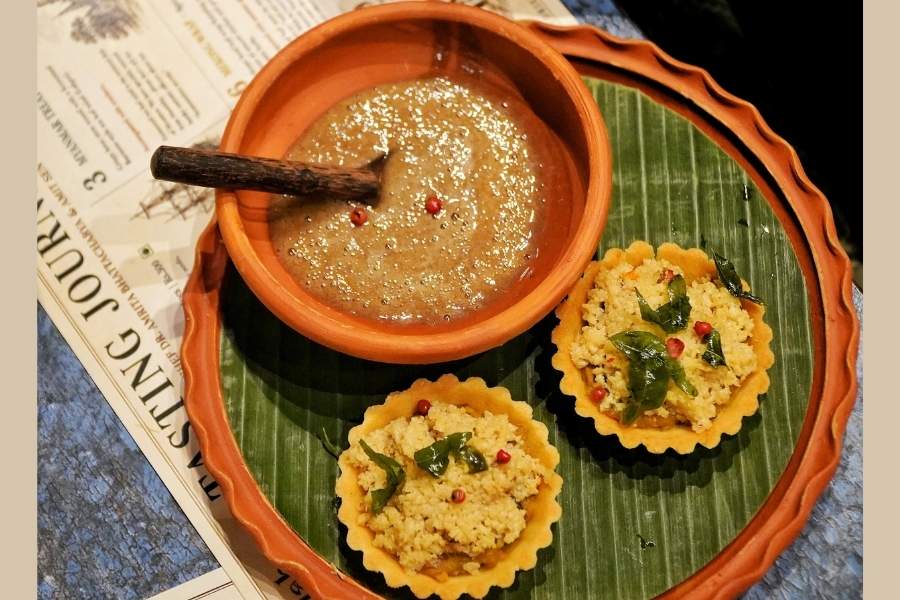
Up next was the Andaman tart shells layered with crab meat, banana blossom and cowpeas (Joy Bangla Dal). The highlight was a sweet and tangy tamarind sorbet that worked as a palate cleanser.
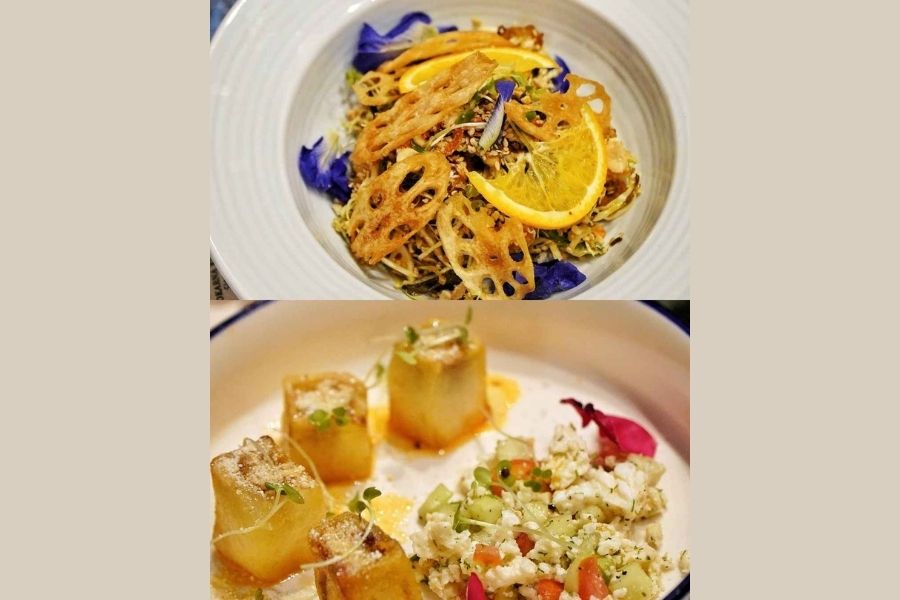
The Myanmar Treat channelled fermented tea leaf salad into a crunchy, textural play. The Creole was a clever dish where comfort met craft. Cubes of dal-filled potato arrived crisp on the outside and soft within, their mildness lifted by the nutty crunch of poppy seeds and a gentle hit of chilli oil. It was served with a fresh salad with Dhakai ponir, an ingenious cheese made in Bakreshwar, tossed in a honey and gondhoraj lemon dressing.
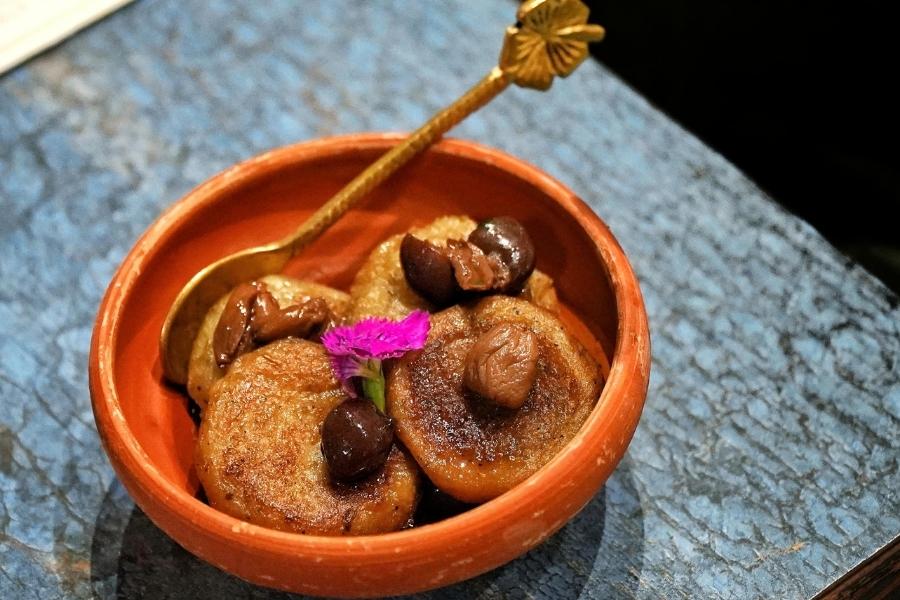
For desserts, first arrived the Forest Harvest. A mildly sweet alternative to malpua, this was made with sweet potatoes and Matkom (Mahua flowers) and tamarind seeds. There were no added sweeteners.
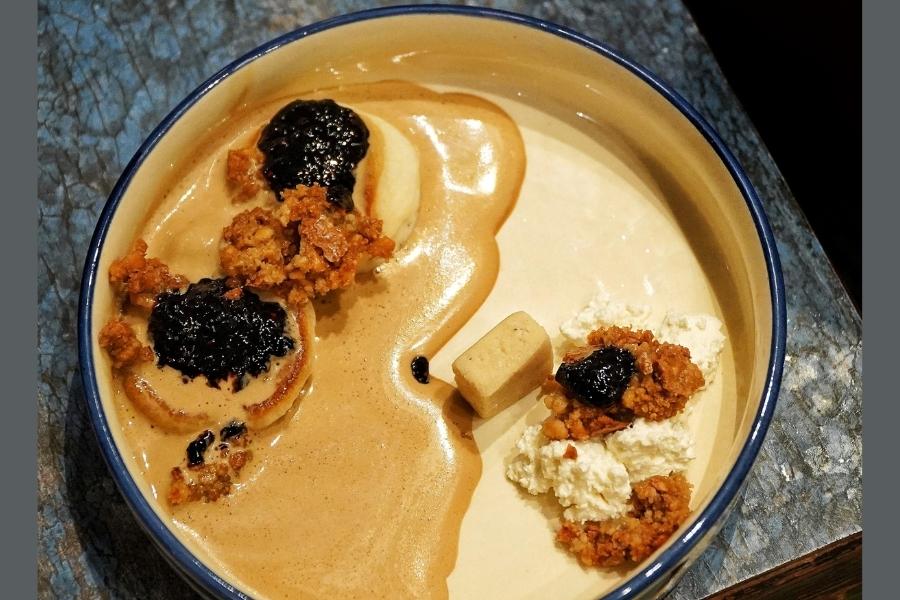
The next was the Tuticorin fusion, where a cashew macaroon, rooted in the coastal legacy of Thoothukudi, was reworked into a savoury sweet bite, its crumbly richness paired with creamy Syrian labneh that added a subtle tang. The mulberry jam brought sweetness and texture to the dish. What elevated it further was the pairing of filter coffee ice cream, its bittersweet depth rounding off the flavours and giving the plate a distinctly south Indian finish with a playful, contemporary edge.
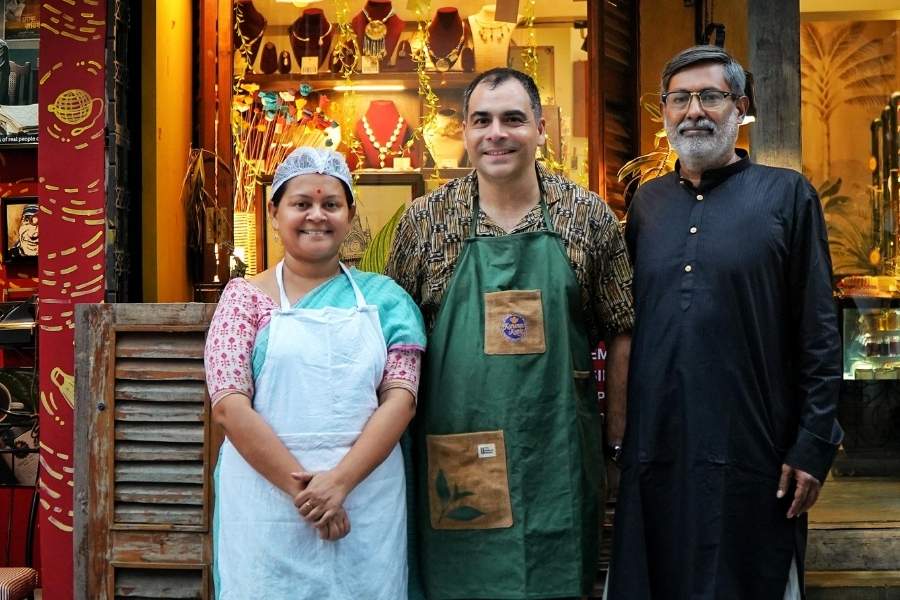
“This is a culinary map of the Bengali diaspora that transforms historical migration and coastal foraging into a sophisticated tapas narrative,” said Amit Sen. “It elevates survival staples like mahua and taro root to gourmet status.”
“We have been talking for a long time, and we have finally decided that we will collaborate. We wanted to keep it an affordable tapas-style experience so people can choose small plates and explore more variety,” said Dhiraj Arora, owner of Karma Kettle.