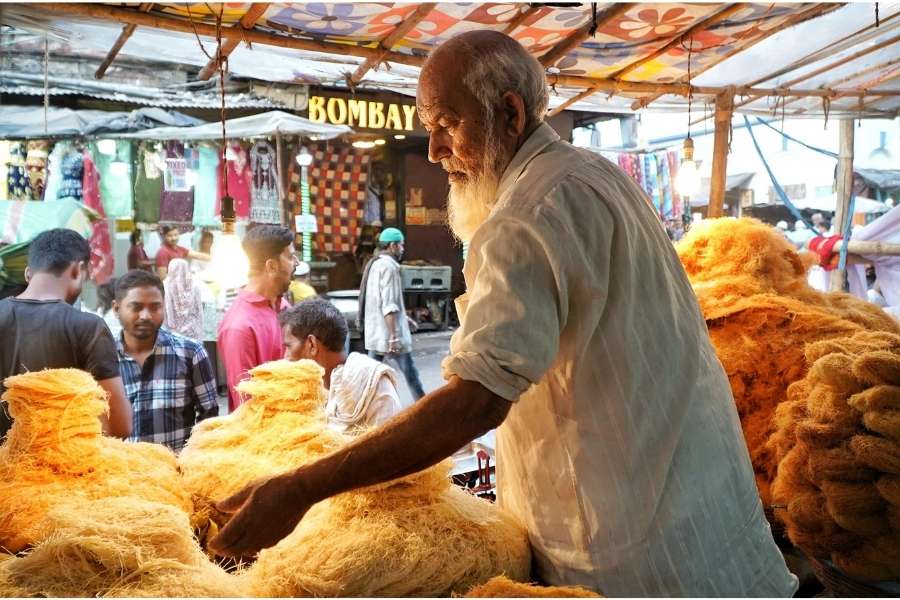
In many Kolkata homes, especially during Ramadan, the question is not whether sevai will be made, but which one. Will it be the fine strands simmered in milk or the flaky lachha soaked in hot, sweetened milk?
For those who have grown up eating both, the difference is instinctive. For the rest of us, it can be a delicious blur. So, before heading out to Zakaria Street to buy lachha and sevaiyan, here’s a breakdown of the two Iftari sweets.
Chef Sima Ahmed, known for her Awadhi repertoire and her appearance on MasterChef India, smiles when asked to explain the difference. “Sevaiyan and lachha may look similar in shop windows, but they are not twins,” she said.
What is the difference?
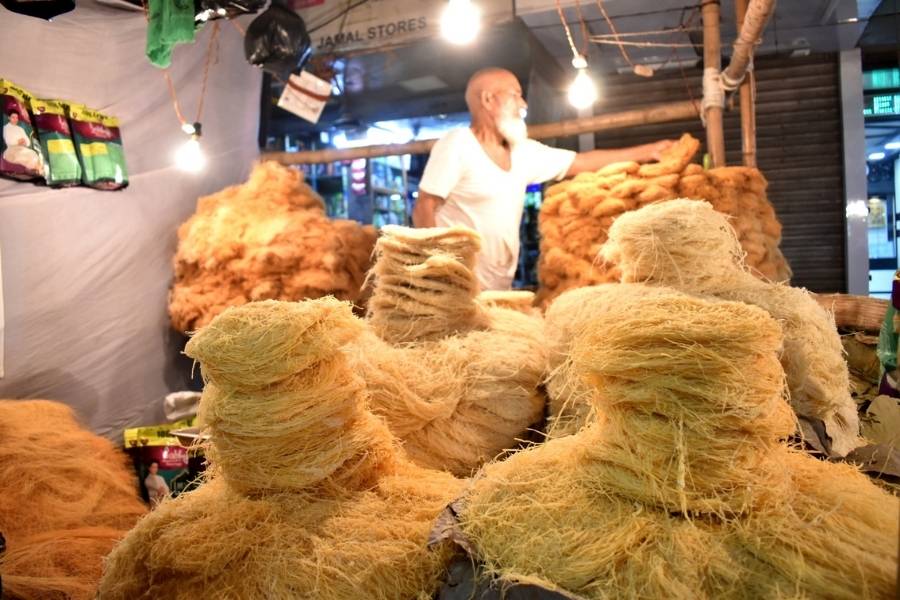
“Lachha is fried in ghee. Sevai is dry. There is no ghee in it at first. We fry it in ghee and then cook it,” she explained.
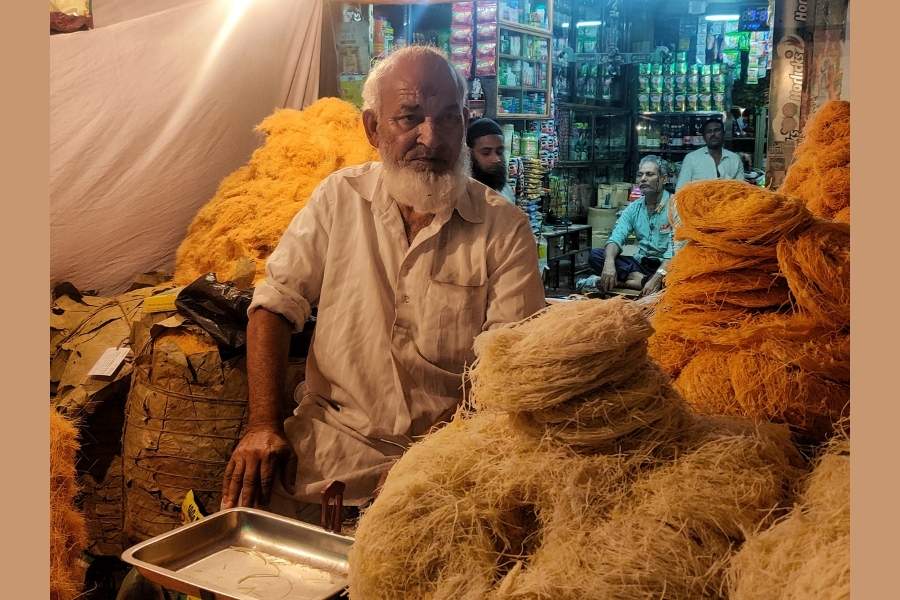
Lachha is layered, lightly roasted and often slightly brown if it contains less ghee. The whiter variety carries more richness. Traditionally eaten with hot milk and sugar, it softens into silky strands while still holding its flaky character.
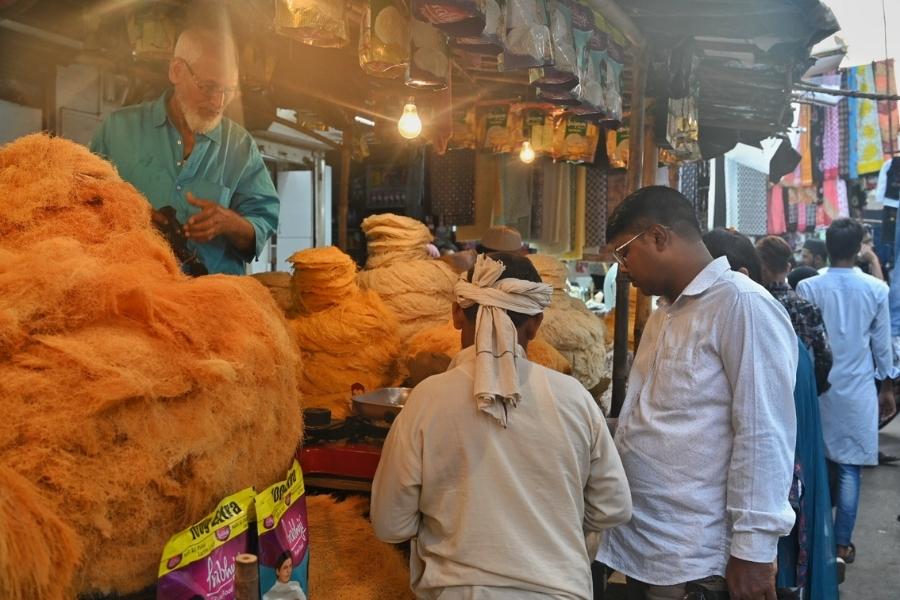
Sevaiyan, on the other hand, comes in many forms. “There is the very fine sevai that melts into milk for sheer khurma, the celebratory dessert scented with dates and dry fruits. There is also the thicker sevai, rolled by hand at home with flour, and still made that way in many households,” Sima said.
What goes into them?
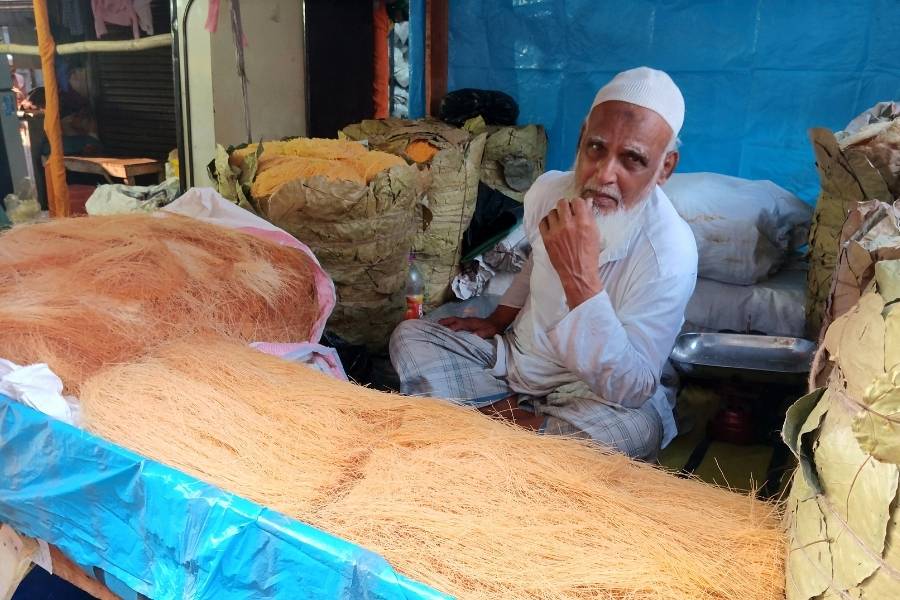
While lachha is made to relish with milk, sevaiyan can be stirred into different dishes, both sweet and savoury.
“Some versions are cooked in milk and sugar, others find their way into savoury keema preparations,” she explained.
Then there is Sevaiyon ka Muzaffar, a dry preparation that chef Sima compares to sevai ka zarda in spirit and colour. Made with sugar and dry fruits, it keeps well and can be stored for days. “It is very dry. You can store it for a long time,” she said.
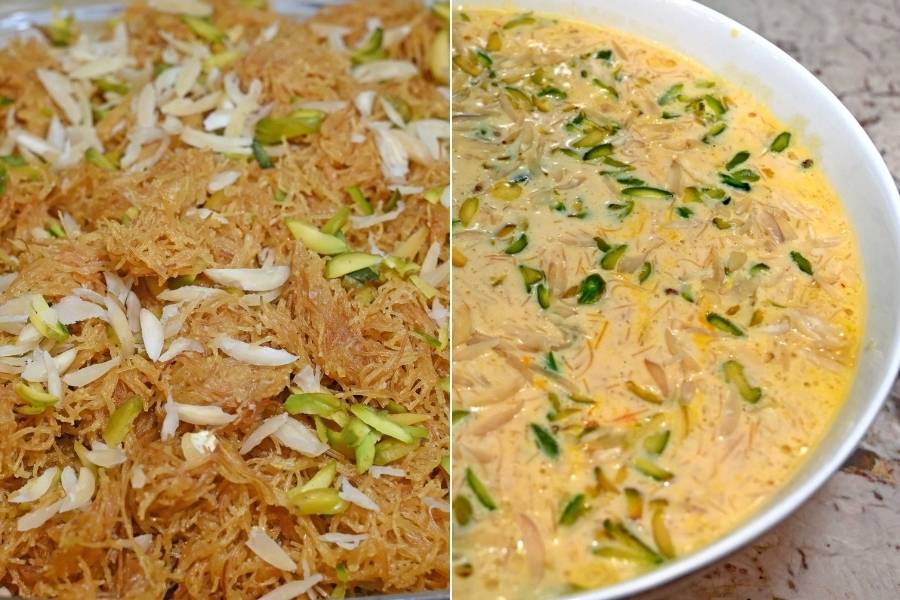
Sewai Zarda and Sheerkhurma
Most lachha and sevai are made with refined flour today, though earlier generations used whole-wheat flour (atta) at home. The shift reflects both convenience and changing tastes.
For Sima Ahmed, lachha feels like a guilty pleasure. She prefers the one with less ghee. Now in Goa, planning her next big culinary adventure, Ahmed misses Kolkata and shopping from the local markets. She said, “I used to visit Zakaria Street and New Market to buy lachha, sevai and other things during Ramadan. I always bought them from the shops behind the bazaar in New Market.”