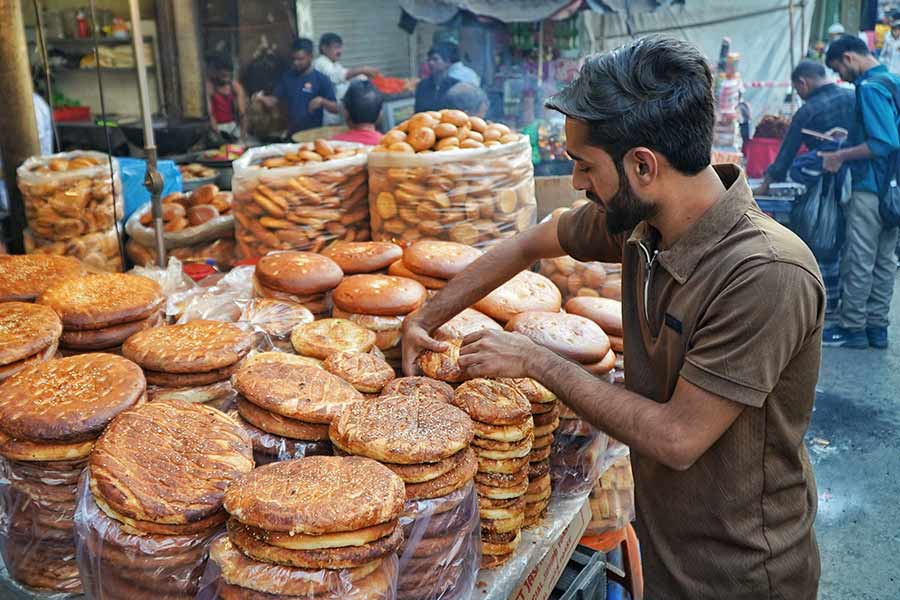
Every Ramadan, by late afternoon, Zakaria Street begins to smell like a food paradise. While kebabs hang on seekhs and bowls of haleem are dished out, stalls selling baked goodies catch the eye. Towers of bread are stacked high with a seller peeping from behind them. His fingers move swiftly, packing them neat in newspapers and handing them out to customers. These aren’t the khameeri rotis or naans. These are more like buns – soft, fluffy and airy.
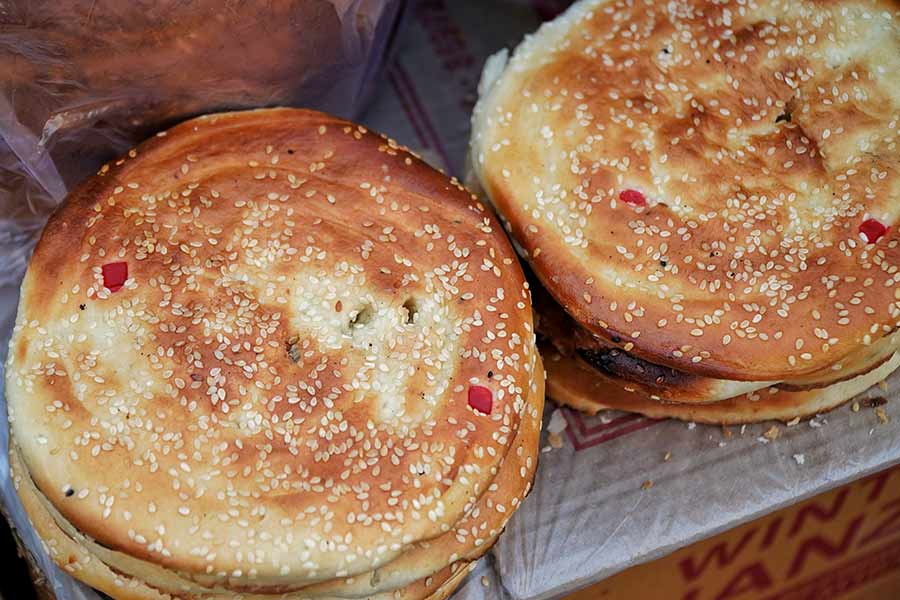
The sweet bakarkhani, glossy, baked with little cubes of tutti-fruti and studded with sesame seeds, are picked up for pure indulgence. Made with maida, ghee, milk and sugar — these sweet buns are often sliced in half and lathered with butter. It is not as sweet as a cake, but a bread made for people with a sweet tooth.
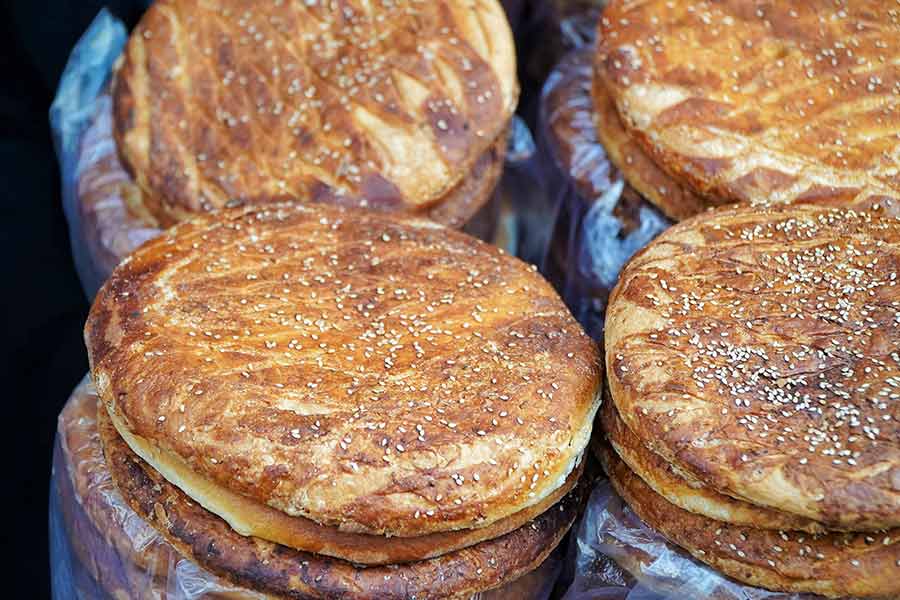
Beside it sits the plain bakarkhani, thicker and more restrained in sweetness. It is bigger in size and comes topped with sesame seeds. This bread is usually picked up to relish with a spice-heavy nihari or even a rezala. The smaller variants of bakarkhani are perfect to dunk in thick and sugary milk tea.
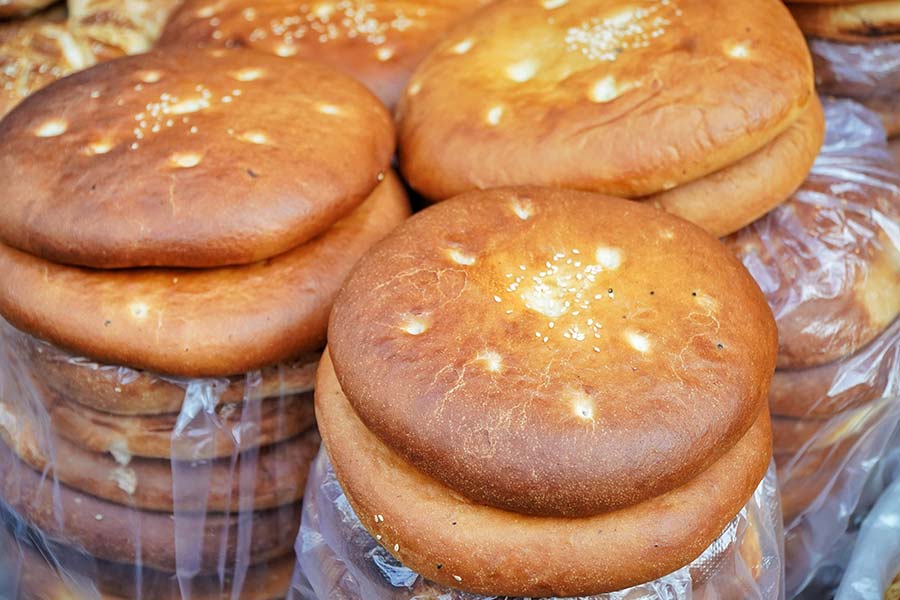
Next is the sheermal — slightly softer, lightly glazed, and often brushed with saffron milk. Persian in origin, adapted in Mughlai kitchens, sheermal is enriched with milk and ghee. The sweetness in sheermal is mild, and it is meant to complement spicy nihari.
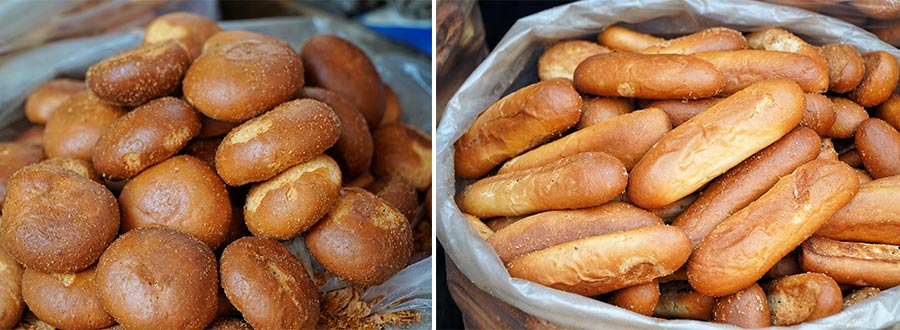
These are the tougher siblings of bread — often called the lero and toast biscuits. But if you ask the seller, the leros are actually Pakeeza biscuits. One variety looks almost like small buns, but crispy and airy, while the other looks like the biscuit version of a footlong bread.
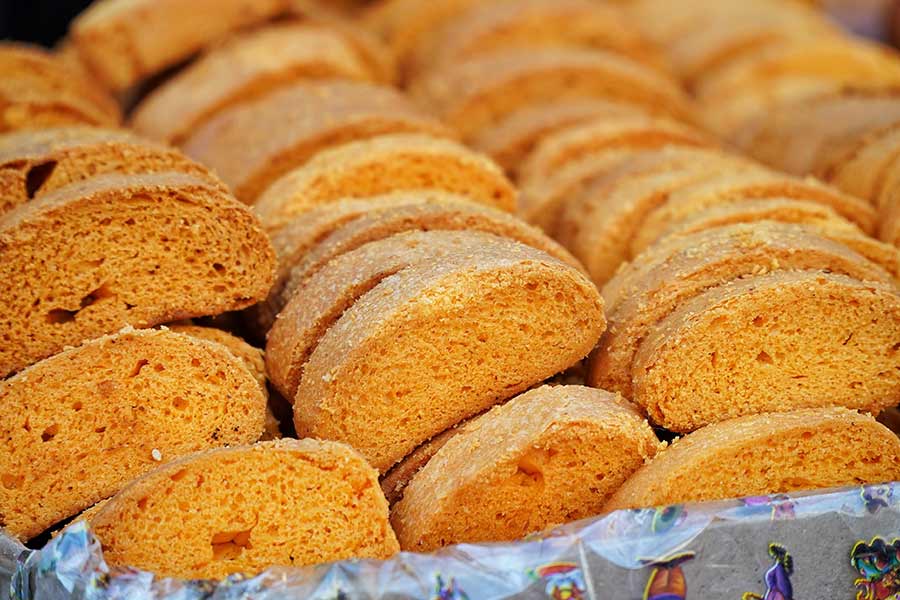
Long before dry cakes hit the market, these sweet toast biscuits were sold by the kilo at the stalls. The humble toast biscuit, or simply “toast” as it is called across Kolkata, is sliced from sweetened bread and baked again until dry and crisp. It wears a light orange-gold hue and pairs well with milk tea.