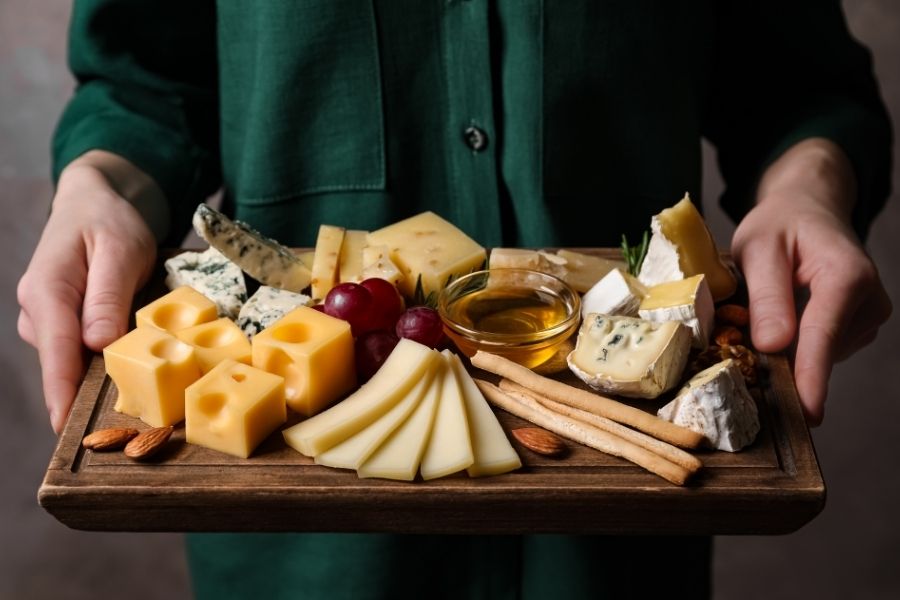
Indian cheeses are often overshadowed by imported cheddars, goudas, and bries. But, our country, too, has a rich and diverse cheese heritage, spanning centuries-old regional varieties and artisanal creations made with local milk using global techniques. From fresh, traditional cheeses to sophisticated farm-made styles, these cheeses offer unique flavours and textures that reflect the country’s culinary landscape. From centuries-old regional varieties to artisanal cheeses crafted with global techniques, India is building its own cheese identity.
Indian cheeses
India’s regional cheeses are shaped by geography, climate, and culinary history. Most are fresh or lightly cured, integral to local cuisine, and prized for their unique flavours rather than ageing or packaging. Here are some regional cheeses that are native to India.
Kalari
Shutterstock
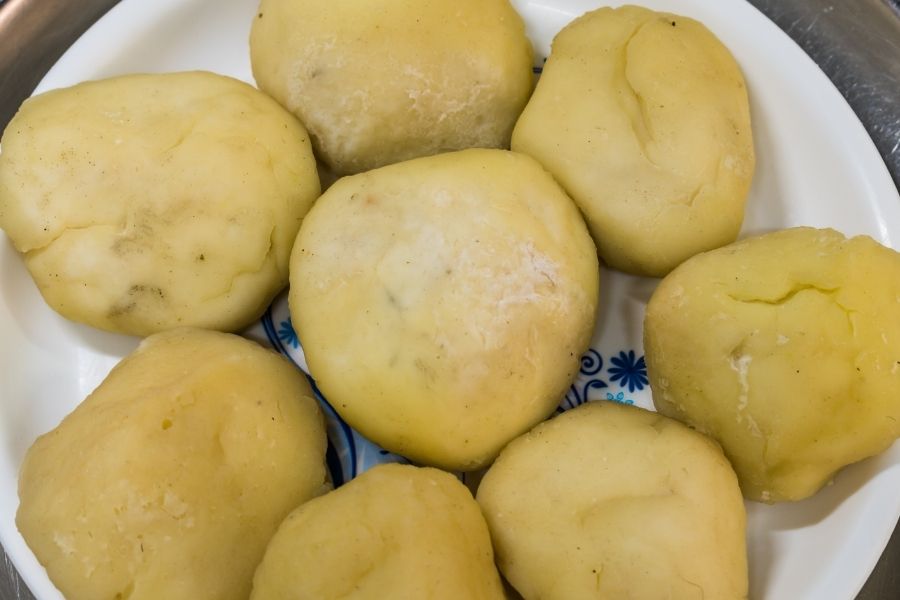
Kalari, also called Kaladi, comes from Jammu. Made from cow or buffalo milk, it is firm when raw but melts into a gooey, stretchy texture when pan-fried. Traditionally eaten with kulchas, it is now being used in modern dishes like slider buns to let the cheese shine.
Kalimpong cheese
Kalimpong cheese is a semi-hard, crumbly cheese from north Bengal. Introduced by missionaries in the early 20th century, it has a mildly sharp, slightly sour flavour and ages naturally in the mountain climate. It remains a staple in local homes and bakeries.
Bandel cheese
TT Archives
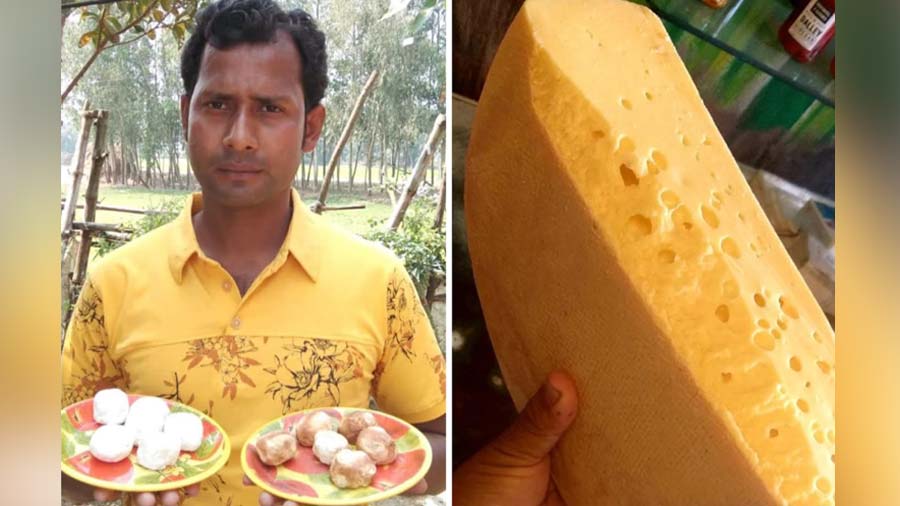
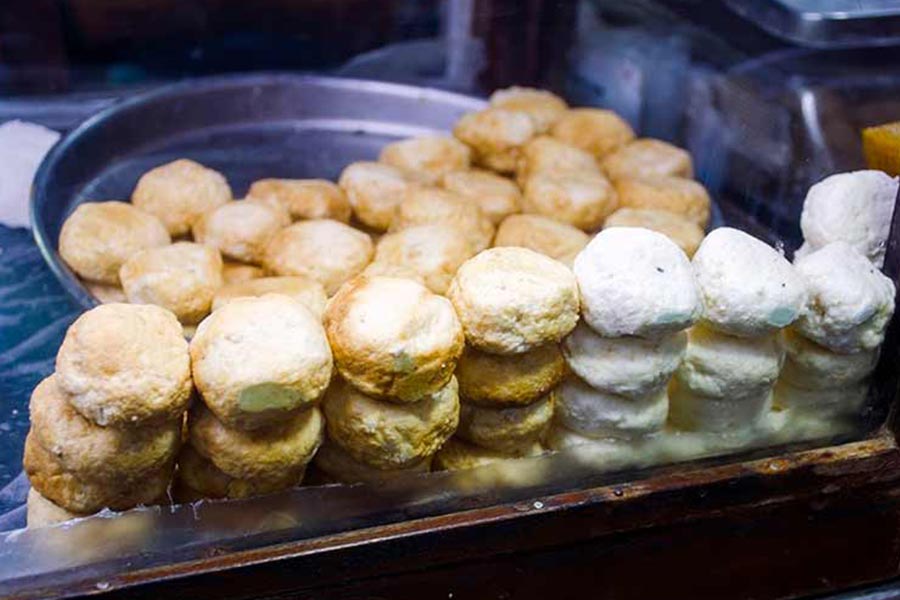
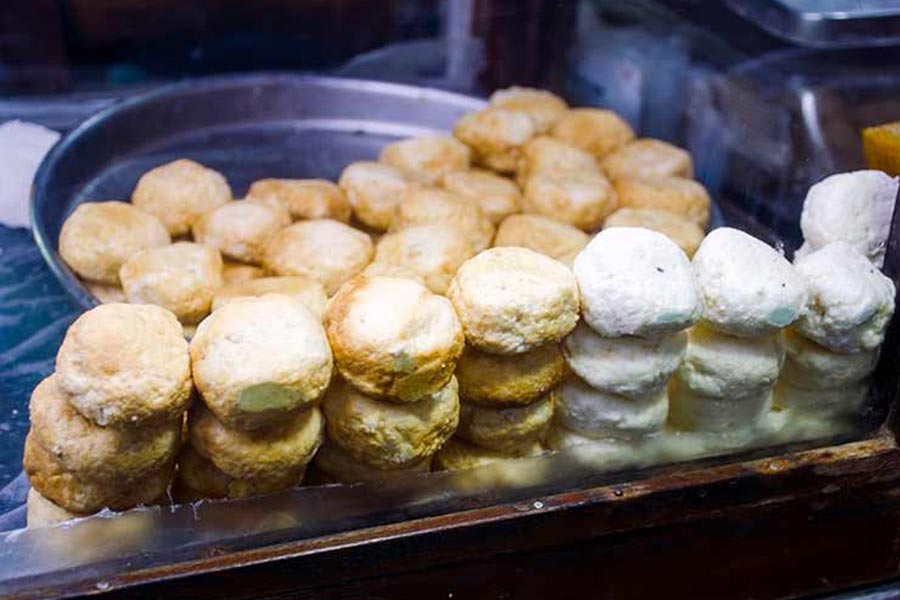
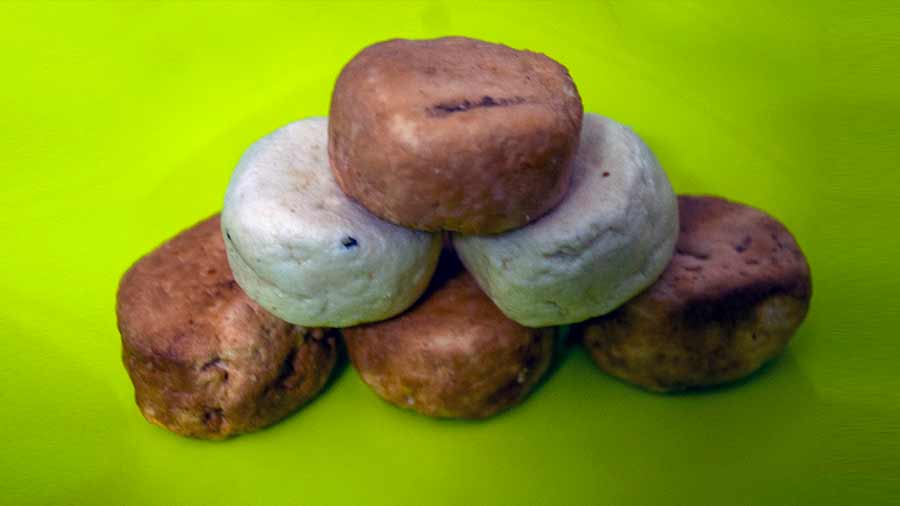
Bandel cheese originated during the Portuguese settlement in Bengal. Small, salted discs that are sometimes smoked, it has a dry, crumbly texture and a strong, tangy flavour, making it ideal for grating over salads or incorporating into sauces.
Churpi
Shutterstock
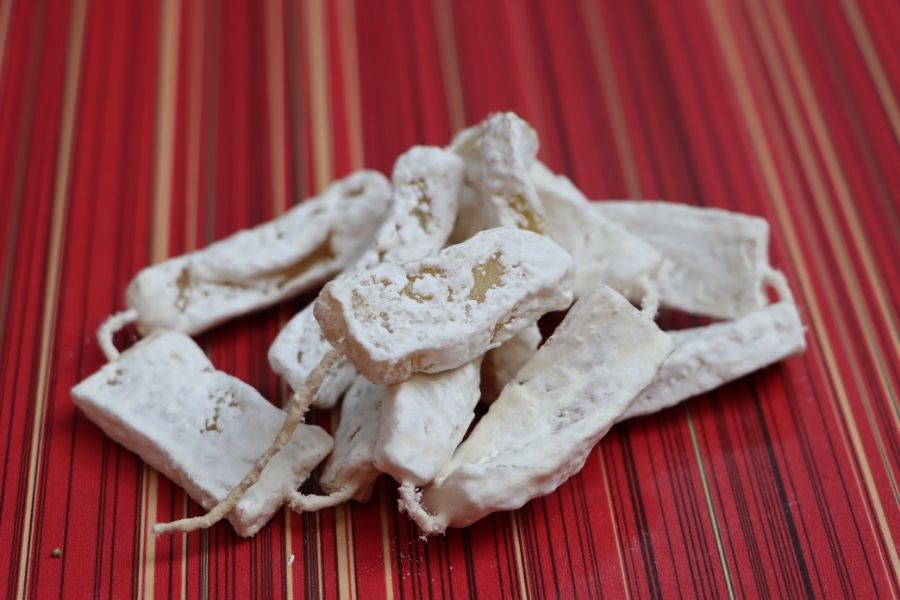
Churpi, from Sikkim, Arunachal Pradesh, and Ladakh, is one of the hardest cheeses in the world. Made from yak or cow milk, it is sun-dried and smoked, traditionally chewed hard or added to soups, valued more for sustenance than indulgence.
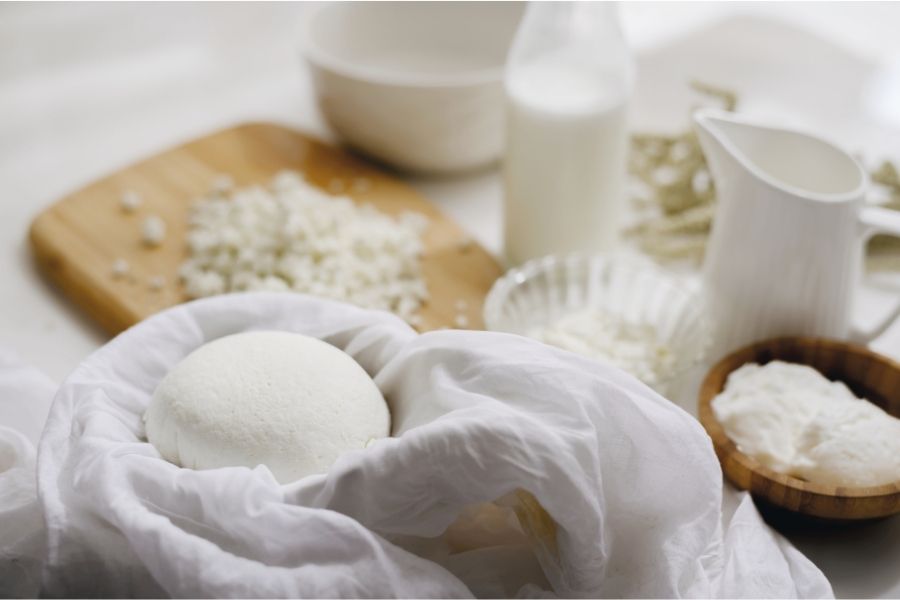
Topli nu Paneer
Shutterstock
Topli nu Paneer is a Parsi fresh cheese from Gujarat and Mumbai, drained in cloth baskets. Mild and milky, it absorbs flavours well and is versatile in everyday dishes, from dals to vegetables.
Cheese made in India, crafted for the world
Alongside these traditional cheeses, Indian cheesemakers are producing European-style cheeses using local milk, matching international standards while remaining fresh and accessible.
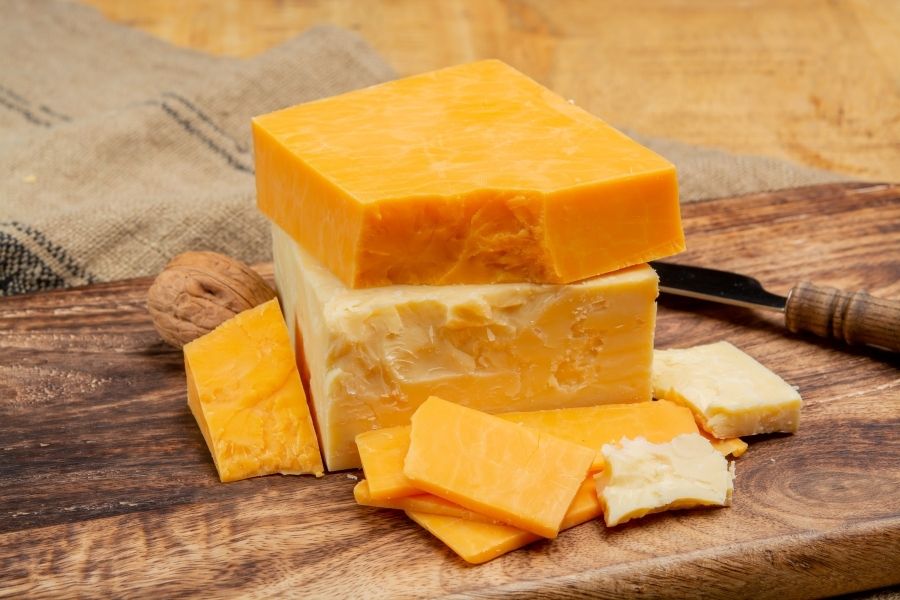
Cheddar-style cheeses
Shutterstock
Ranging from creamy young cheddars to mature, sharp varieties, these cheeses work well both for cooking and cheese boards.
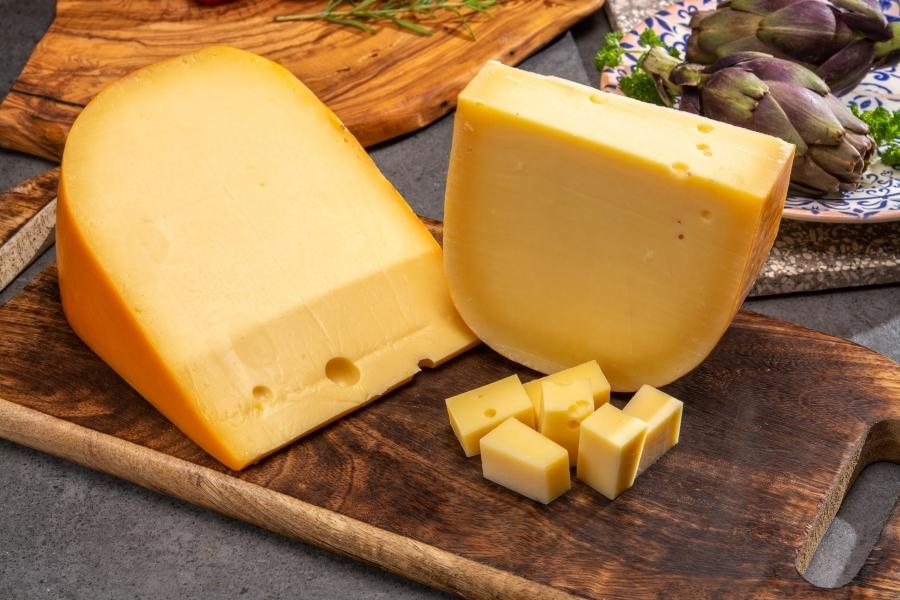
Gouda and Edam
Shutterstock
Mellow, nutty flavours and smooth textures make them ideal for melting or serving in slices.
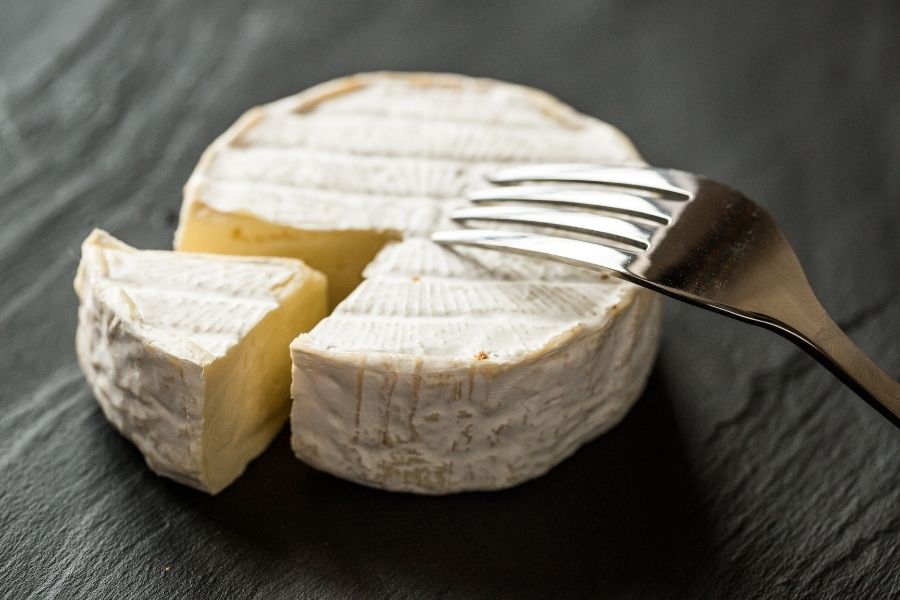
Brie and Camembert
Shutterstock
Soft-rind cheeses with creamy centres, these are carefully crafted to thrive even in India’s challenging climate.
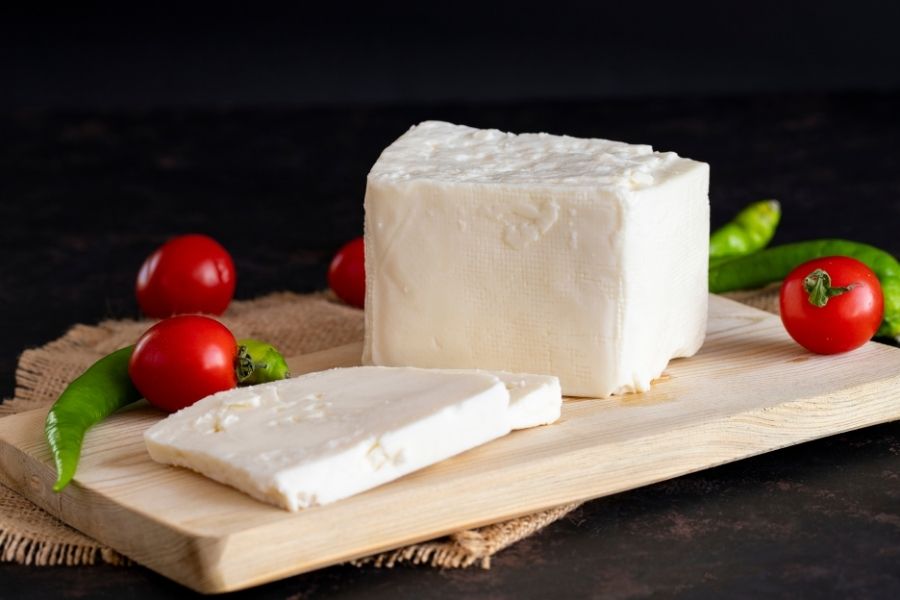
Feta
Shutterstock
Tangy, crumbly, and often made from cow or goat milk, Indian feta works perfectly in salads and bakes.
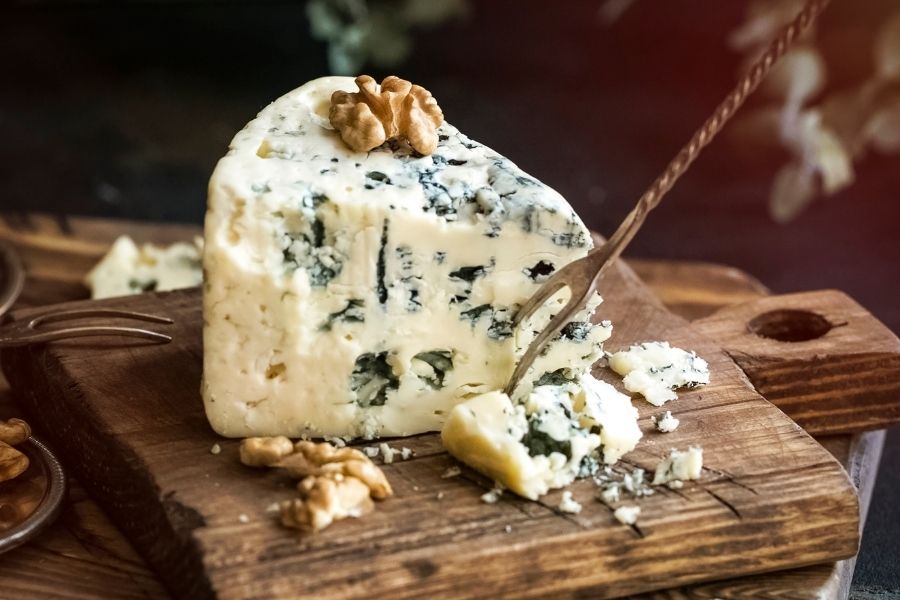
Blue cheese
Shutterstock
Balanced veining and restrained pungency make these increasingly popular, adding depth to cheeseboards.
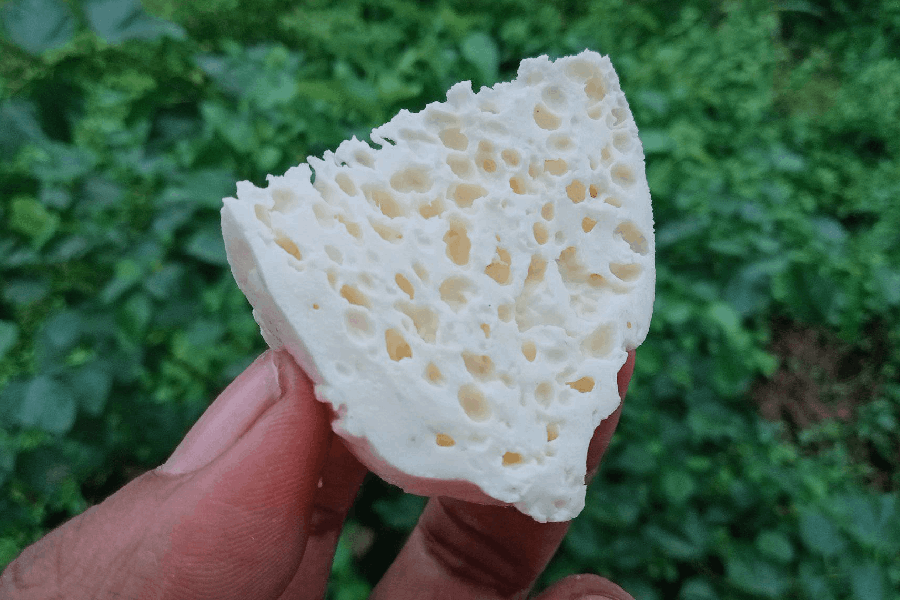
Mozzarella and Burrata
TT Archives
Fresh, rich, and creamy, these cheeses are now a favourite of chefs who value quality over imported alternatives. In Kolkata, you can get Dhakai Poneer, which has a similar characteristic like Mozzarella.
Where to try?
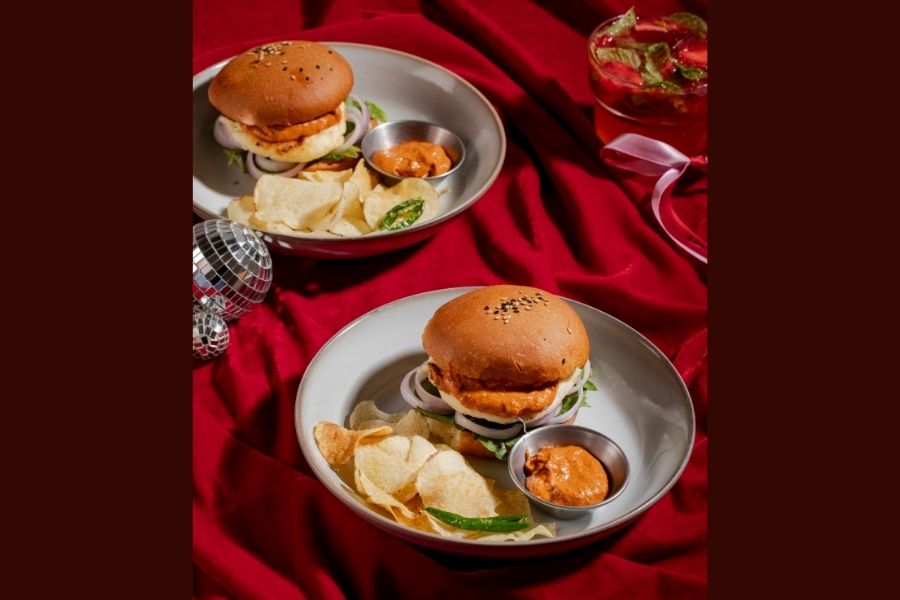
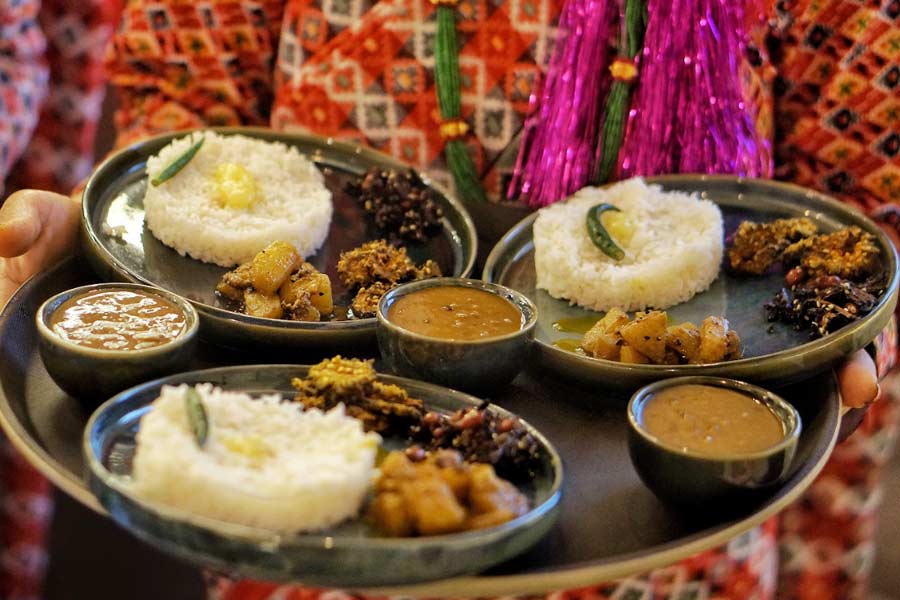
Kalari buns from The Daily Cafe, Kolkata
Chef Urvika Kanoi, owner of The Daily Kolkata and Cafe Duco in Mumbai, has been using Indian-made cheeses and regional varieties in her cafes. She says, “If we can get cheeses of equal quality made here, why import everything from outside? It’s fresher, more sustainable, and finally gives Indian cheesemakers the recognition they deserve.”
Notable cheesemakers include Eleftheria in Auroville, Begum Victoria, Spotted Cow in Mumbai, ABC Farms, and Cremica’s artisanal line. As chef Kanoi observes, the aim is to let these cheeses speak for themselves. By using local produce and highlighting both regional and artisanal varieties, India is finally claiming its place on the global cheese map.