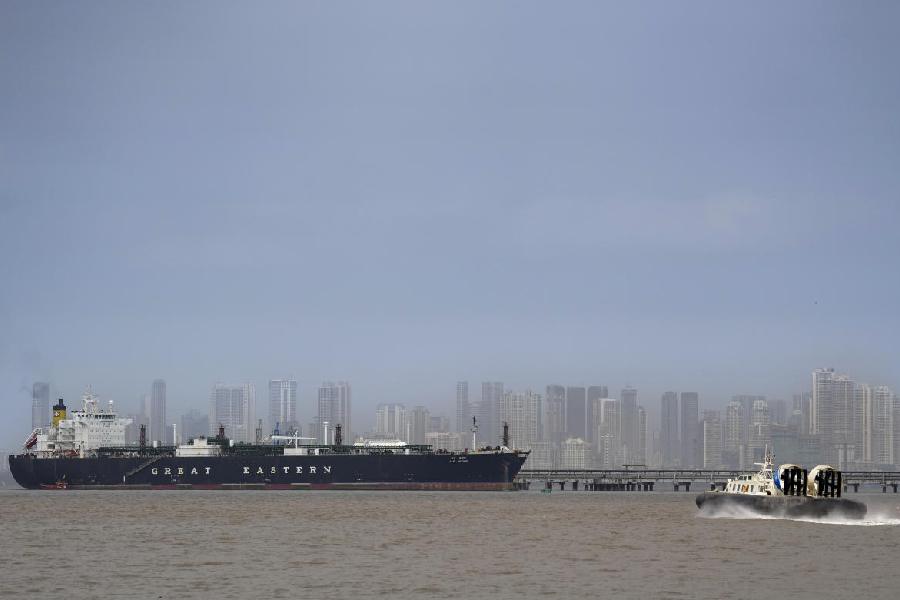
New Delhi, June 4: Contractors who build highways will now be responsible for maintaining them for two years if the cabinet clears a road ministry document prepared after a tussle with the Planning Commission.
The EPC or engineer-procure-construct document, drafted after the Prime Minister’s Office (PMO) intervened to settle the differences, also says the contractors must deposit a caution money equivalent to 12.5 per cent of the project cost. Deductions will be made from it for delays or failure to finish a project, sources said.
For the first time, a penalty clause will be written into the contract under which the contractor must pay a fine for each day of delay. Now, penalties are imposed ad hoc, and only if there’s a public outcry.
The document’s main feature is the “defect liability period”. According to the note prepared for the cabinet, this period will be two years for roads and five years for bridges, foot over-bridges and the like.
The contractor must rebuild or repair the project in case of any structural fault or damage within this period, which in effect means he will have to maintain the road or bridge for this period.
Till now, government arms such as the National Highways Authority of India (NHAI) and the central and state public works departments have been responsible for highway upkeep from the day they have been built. The new document is expected to remedy the problem of new roads starting to show faults or damage within weeks or months.
Another new clause says the government will now award the projects on a turnkey basis, which means the contractors will be given a lump sum instead of money under different heads.
An official said this was aimed at preventing cost overruns, which are often very high now as the contractors keep citing rises in the prices of this material or that.
“(Under the new document), the contract price will not be adjusted to take into account any unforeseen difficulties or costs,” the official said.
The Planning Commission, however, argued that the document would ensure that the private contractors would demand much more money right at the outset to offset any losses resulting later from the various clauses. The plan panel objected especially to the defect liability period, arguing it would indirectly increase the project cost and prove a burden on the taxpayer.
Instead, the panel suggested the road transport and highways ministry should ensure that high-quality material is used. C.P. Joshi’s ministry, on the other hand, wanted a five-year defect liability period.
As the tussle dragged on, 16 NHAI chief engineers resigned in December accusing the Planning Commission of too much interference. Joshi met senior commission officials in February but no solution emerged. Eventually, the PMO settled the issue at a recent meeting with a compromise: a two-year liability period.
Some 9,000km worth of highway projects are to be contracted out this financial year. The government hopes the EPC document, after its cabinet clearance, would form the basis of at least 30 per cent of the contracts.
“Most of these projects will be two-lane highways in poll-bound states,” an official said.