
New Delhi: The Congress said it felt compelled to end the parliamentary deadlock because important issues had to be raised, even as sections in the party resented that Prime Minister Narendra Modi was let off without expressing regret for his comments on Manmohan Singh.
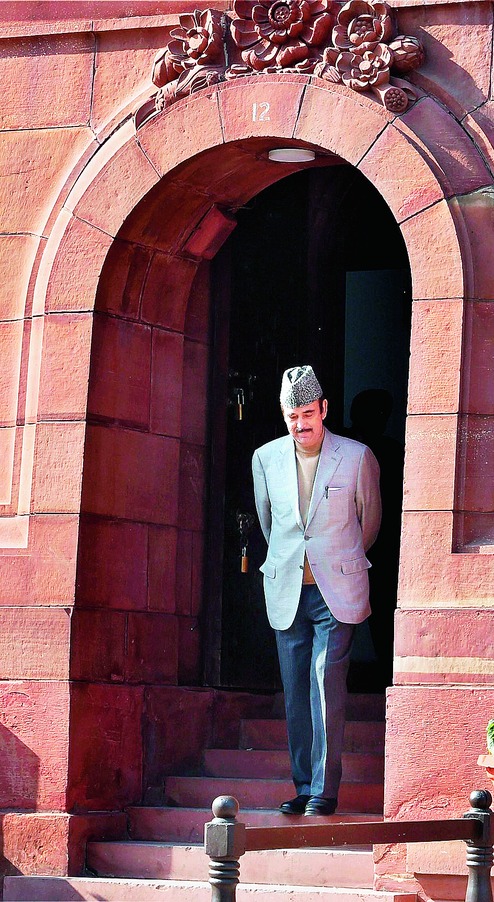
There were red faces in the Congress as finance minister Arun Jaitley's oblique explanation on Modi's insinuation of conspiracy by Singh was accepted in the Rajya Sabha and leader of the Opposition Ghulam Nabi Azad said the party dissociated itself from any statements made against the "dignity of the Prime Minister".
But some leaders felt stalling Parliament endlessly could have been counter-productive if the Prime Minister "wasn't ready to understand the enormity of his charge".
"We wanted to end the deadlock because there were so many important issues to be raised. The Prime Minister shouldn't have talked about Manmohan Singh, Vice-President Hamid Ansari and other top functionaries like that," Azad said.
"The thought that these people can enter into a conspiracy with Pakistan shouldn't even flit through anybody's mind. We expected the Prime Minister to take back his words, but he didn't. However, we didn't want to drag the issue as concerns of people have to be raised in Parliament," he added.
What created the urgency was the way the mother and wife of Kulbhushan Jadhav, the retired naval officer on death row, were treated in Pakistan as the Congress wanted the issue to be thoroughly debated in both Houses of Parliament to "expose" the BJP's boast of robust nationalism.
Azad said: "Why this drama of taking the family to Pakistan and making them talk on intercom across a glass wall? They could have talked on phone from Delhi itself. The way the mother and wife were treated is an insult to every Indian. We cannot tolerate it and hence we wanted to lodge a strong protest in Parliament."
Some Congress leaders said the "conspiracy" chapter wouldn't be closed.
"This was so grave a charge - almost alleging that the top constitutional functionaries, a former army chief and diplomats can indulge in sedition - that it will remain like a blot on the history of India's political discourse," a senior Congress leader said.