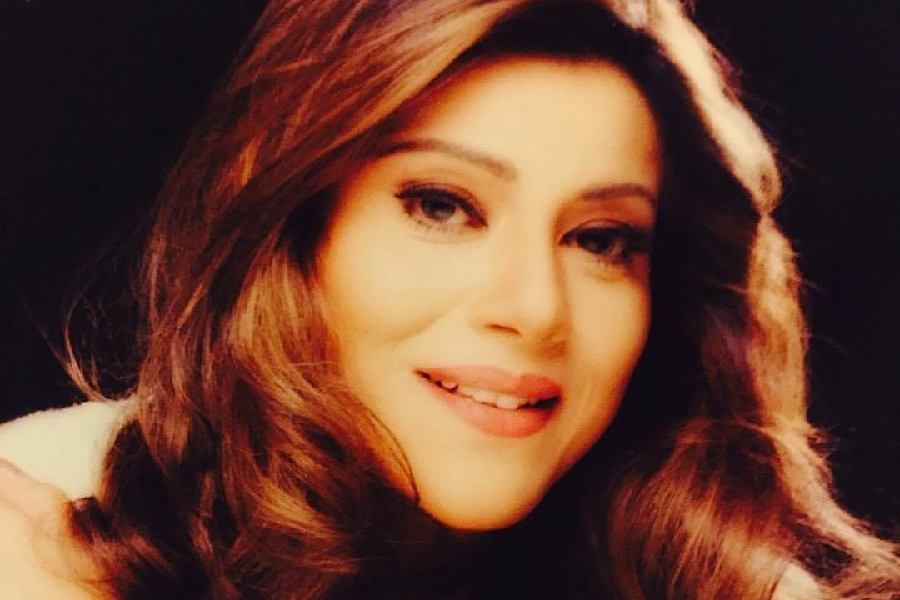
Playback singer Sapna Mukherjee has described the reuse of her iconic track Oye Oye in filmmaker Aditya Dhar’s Dhurandhar: The Revenge as artistic respect, saying the decision to retain the original vocals reaffirmed the song’s enduring identity.
The 1989 hit from Tridev, originally sung by Mukherjee and Amit Kumar, features in a key sequence in Dhurandhar: The Revenge, during a flashback revealing the backstory of Jameel Jamali (Rakesh Bedi).
The film, starring Ranveer Singh, integrates classic Hindi songs from the 1970s to 1990s into its narrative, with music composed by Shashwat Sachdev.
For Mukherjee, the inclusion of the original track, without replacing her voice, stood out in an industry where older songs are often re-recorded with contemporary singers.
“Aditya Dhar deserves full credit for bringing it back with respect and giving it a meaningful place in the film. Today, my voice was not replaced, it was respected, and that means everything to an artist,” she told PTI.
“When I heard that my voice along with Amit Kumar ji’s has been retained, I felt respected. This kind of respect toward artists and their work is rare. Today, you can recreate a song, but you cannot replace its soul,” she said.
Days before the film’s release, she performed ‘The Oye Oye Show’ for Central Industrial Security Force (CISF) and National Security Guard (NSG) personnel.
“…The way they sang it with pride and joy that stayed with me. And then suddenly, it finds its place in ‘Dhurandhar 2’. It truly felt like a full circle moment, from jawans to cinema screens,” she said.
With a repertoire of over 400 songs, including Pyar Do Pyar Lo (Janbaaz), Aakhir Tumhein Aana Hai (Yalgaar), Chaukhat Pe Tumhari Hum (Aankhen), Tere Ishq Mein Naachenge (Raja Hindustani) and Pyaar Ka Anjaam (Bewafaa), Mukherjee said "Oye Oye…Ae Tirchi Topiwale" remains central to her career.
“Every artist has that one song that changes everything. For me, this was one of them. Before it, I was working, learning, growing. After it, people started recognising the voice. It gave me identity,” she said.
“It felt familiar, yet new. The voice is the same, the soul is the same, but the context changes everything. Earlier, people danced to it, today they experience it differently. ‘Oye Oye’ was never a trend, it was a feeling, and feelings don’t fade; they just find new expressions,” Mukherjee added.
She credited lyricist Anand Bakshi and composers Kalyanji-Anandji along with Viju Shah for crafting a composition with lasting appeal.