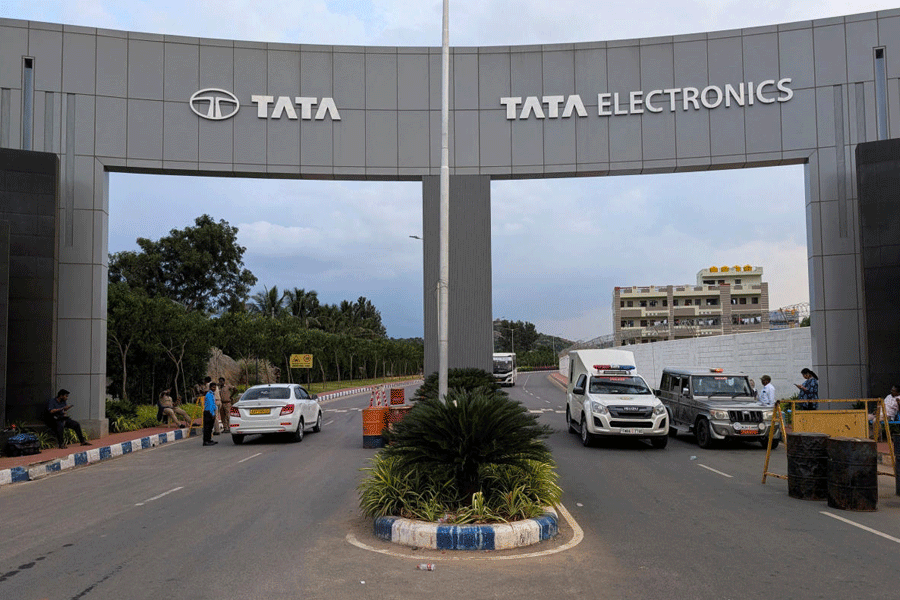
Tamil Nadu’s pollution regulator has alleged wastewater discharged from a Tata components factory for Apple's iPhone has contaminated the groundwater for nearby farms and warned of a forced shutdown unless Tata gives a satisfactory explanation.
Tata Electronics is central to Apple's push to diversify iPhone production beyond China and is the second-biggest supplier to Apple in South Asia after Taiwan's Foxconn.
The Tata plant under investigation is in Hosur in Tamil Nadu and makes back panels and other components for iPhones. Farmland owners near the plant had complained for months to the Tamil Nadu Pollution Control Board that wastewater from the factory was contaminating their land and open wells.
The complaints led to five state inspections between December 2025 and May 2026, according to details from a previously unreported regulatory notice dated May 25 and reviewed by Reuters.
The inspections found that Tata discharged wastewater into a rainwater harvesting pond inside its facility and that the pond overflowed to contaminate "groundwater in the open wells located in the adjacent agricultural lands", the pollution board's warning notice to Tata said.
Tata had not taken any corrective actions on instructions issued by the pollution board in a previous letter dated December 23, 2025, it said in the three-page notice.
Tata Electronics told Reuters in a statement it had commissioned an independent analysis through an accredited laboratory and that the study determined the company was "in full compliance with all regulatory norms".
Tata said it was "committed to responsible business practices and protection of the environment and local communities", and that it had responded to pollution authorities, although giving no further details.
The pollution board in its May notice asked Tata to explain why power to the unit should not be cut and the unit closed for its alleged breach of the rules.
Apple, which has strict rules on how its suppliers handle wastewater, and the Tamil Nadu government did not respond to requests for comment from Reuters.
Apple's struggles in India
Companies have often faced disciplinary action from pollution authorities in India. In 2024, Mercedes-Benz improved wastewater and air pollution management at its only car factory in India after officials detected lapses in compliance with environmental law.
The Union environment ministry told Parliament in February that 4.4 per cent of 544,364 industries were found non-compliant with environmental standards in the last five years, and 3,600 were shut down by pollution control departments.
The Tata notice adds to a series of issues that have dogged Apple's India supply chain. A fire at Tata's Hosur plant in September 2024 halted iPhone component production briefly, while a fire in September 2023 at former supplier Pegatron's iPhone plant shut production for days.
In 2024, a Reuters investigation found that major Apple supplier Foxconn systematically excluded married women from iPhone assembly jobs at one of its plants in India, although the company said at the time that it complied with all laws.
India is projected to make 26 per cent of all iPhones globally in 2026, from just 6 per cent four years ago, according to research firm Counterpoint.