Oil prices tumbled to a three-month low after US President Donald Trump claimed that a peace deal with Iran is within reach, fuelling hopes that the Strait of Hormuz, a key energy waterway, could soon be fully reopened.
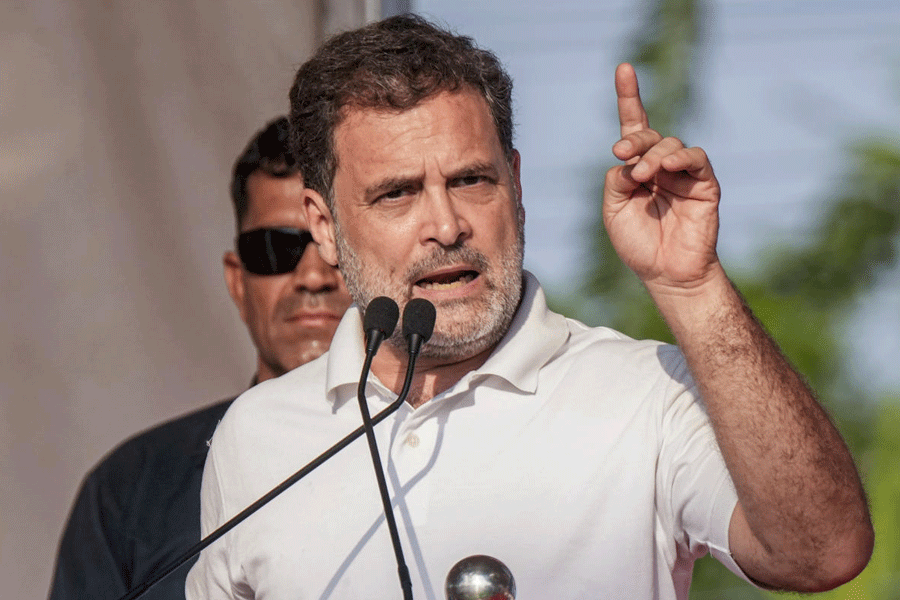
“We ended the war in Iran today,” Trump declared.
Brent crude, the international benchmark, briefly fell below $85 a barrel after Trump's announcement, its lowest level since the early days of the war, before rebounding to trade at around $87.50. Before the war erupted in late February, oil was trading at $70 a barrel.
A lasting US-Iran peace deal could slash India's fuel import bill, lower petrol and diesel prices, ease inflation, support the rupee and remove one of the biggest threats hanging over the country's economic outlook.
Reopening the Strait, through which nearly half of India's crude oil and most of its LPG used to flow, could reduce the energy import bill, lower fuel and transport costs for consumers, help contain inflation, bolster the flagging rupee and boost economic growth.
State-run fuel companies have hiked petrol and diesel prices four times since mid-May to offset the upheaval in oil supplies. Petrol prices have risen nearly 8 per cent, while diesel is up more than 8.5 per cent.
However, analysts say shipping disruptions, sanctions issues and Middle East tensions could persist long after any agreement is signed. "We've been at this stage before, only for talks to break down," says ING commodities strategy head Warren Patterson.
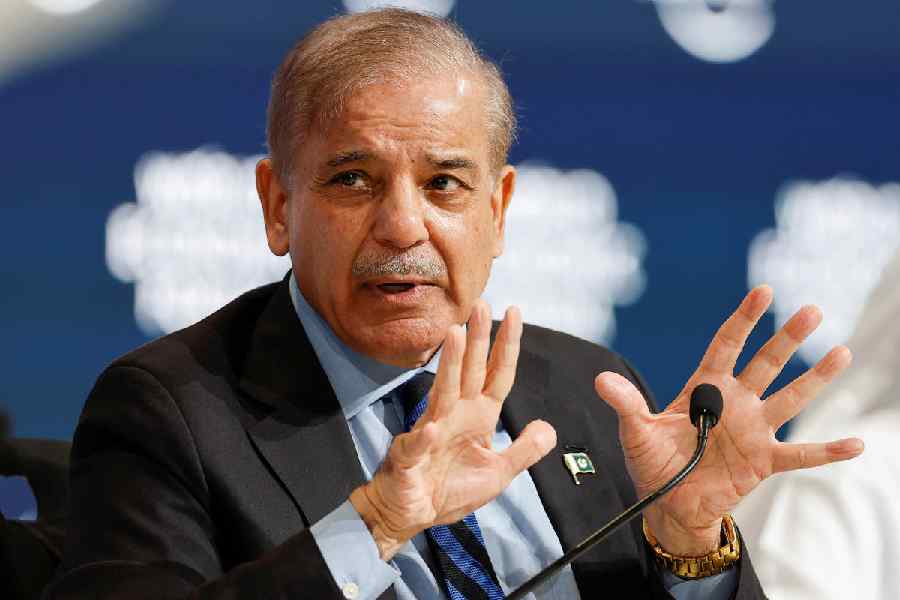
Trump announced on Friday that the final details of a proposed agreement with Tehran have been approved by "all parties". Pakistan's Prime Minister Shehbaz Sharif also said a final text of the peace agreement has been agreed, adding negotiators are now working through the final procedural steps. "Peace has never been this close as it is now," Sharif said on X.
Iran’s Foreign Minister Seyed Abbas Araghchi said in a social post that a memorandum of understanding between the U.S. and Iran “has never been closer.”
Both sides expect an agreement to be signed within days, according to US officials.
Under the deal, the Strait of Hormuz would fully reopen, the US would lift its naval blockade of the waterway and Iran's nuclear programme dismantled, with enriched material transferred out of the country. The accord would then move into a 60-day "technical negotiation" phase.
However, after Trump's announcement, confusion emerged when Iran's state-backed Mehr news agency published what it claimed were details of the proposal, including demands for the release of $24 billion in frozen Iranian assets. Mehr said half of the money would be handed over before talks even got under way.
Vice President J. D. Vance denied reports that Iran would get a massive windfall, insisting "no funds" would be released simply for signing an agreement. Any financial benefits would come only if Iran fully complied with its obligations, he said.
Analysts said the conflicting versions of the agreement are a further reminder that it could still collapse. They say that if oil flows through the Strait of Hormuz do not return to normal by late July, crude prices could climb to between $120 and $130 a barrel because of tightening inventories.
One reason energy prices have not surged even higher is that the world already had a supply cushion, with global oil production outpacing demand. That surplus helped absorb much of the shock from the disruption to traffic through the Strait, through which one-fifth of the world's crude oil normally flows. In the early days of the conflict, some analysts warned prices could surge to $150 a barrel or beyond.
Other factors have also helped contain the damage. China's demand for imported oil has weakened amid its slowing economy, Saudi Arabia and other producers have rerouted supplies through pipelines, governments have dipped into strategic reserves and increasing numbers of tankers are once again making it through the Strait.
US Energy Secretary Chris Wright says seven million barrels of oil and fuel are now passing through the waterway each day. Before the war, the figure was 20 million barrels.
But if the deal collapses and oil flows through the Strait fail to recover, traders warn the world could once again be staring at an even bigger supply crunch. US commercial crude inventories fell by more than seven million barrels last week to 426.5 million barrels, partly because American oil is being shipped to overseas buyers scrambling to plug supply gaps.
So far, Washington has ruled out restricting exports despite shrinking domestic stockpiles.
According to S&P Global Energy, oil inventories across the key US Midwest and Gulf Coast refining hubs stand at about 351 million barrels. That remains above what the firm describes as the market's "danger zone" of 325 million barrels.
"As inventories drop below this threshold, the market becomes increasingly vulnerable to logistical bottlenecks and price spikes," the firm warns.