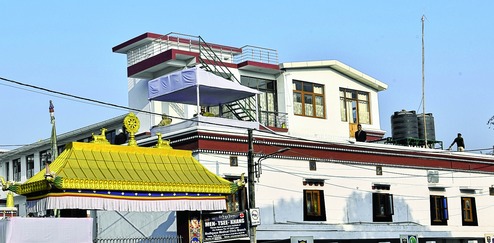

Gaya: Bodhgaya based foreign monasteries strongly resent a notice served by the civic body seeking information about commercial use of monastery premises.
The local body has issued a notice to nearly two dozen foreign monasteries. Signed by Sushil Kumar, executive officer of the Nagar Panchayat, asked the monasteries whether the guest houses or other facilities developed by them are being put to commercial use and, if so, whether GST registration or other mandatory requirements of tax compliance have been made.
Ven Pragya Deep, chairman of the International Buddhist Council, the representative organisation of Bodhgaya-based foreign monasteries, said that a general body meeting of the council was being called to discuss the "malicious" notice, as it seeks to portray "devotion as business".
Some vested interests were conspiring against the monasteries, he alleged and said he would seek chief minister Nitish Kumar's audience and complain. "It (the notice) will send a negative signal to the Buddhist world," the council chief said. He denied tariff was charged from those staying in the monastery guest houses.
"It is true most of the people using our facility put money in the donation box but such donation can not be called room tariff or service charge," Ven Pragya Deep said. "The guests are under no compulsion and there is no quid pro quo."
Many visitors prefer monastery guest houses over hotels as, these monasteries are managed by their compatriots and they feel at home.
Hotel association sources said monasteries lure away their potential clients. According to hotel association general secretary Sanjay Singh, the Bodhgaya hospitality sector was already in crisis because of prohibition and terror attacks and it has to be protected against "unfair practices".
Nagar Panchayat executive officer Sushil Kumar said the notice was issued to ensure compliance of building laws. The civic body can regularise unauthorised constructions if violators pay Rs 2,000 per sqm. "The civic body has been receiving complaints about commercial use of monastery facilities," he said.