
New Delhi, Feb. 10: Nalanda University has restarted its hunt for a new vice-chancellor, under a new selection panel set up today by the varsity's latest chancellor, computer science engineer Vijay Pandurang Bhatkar.
Bhatkar chaired his first governing board meeting as chancellor today at the capital's Jawaharlal Nehru Bhavan that houses key parts of the foreign office.
He was appointed last month after former Singapore foreign minister George Yeo quit as chancellor alleging interference by the Narendra Modi government. Nobel laureate Amartya Sen, the university's founding chancellor, had also quit in 2015 alleging encroachment by the government into the institution's autonomy.
A statement issued late evening by the university said the board at its meeting also formed an executive committee.
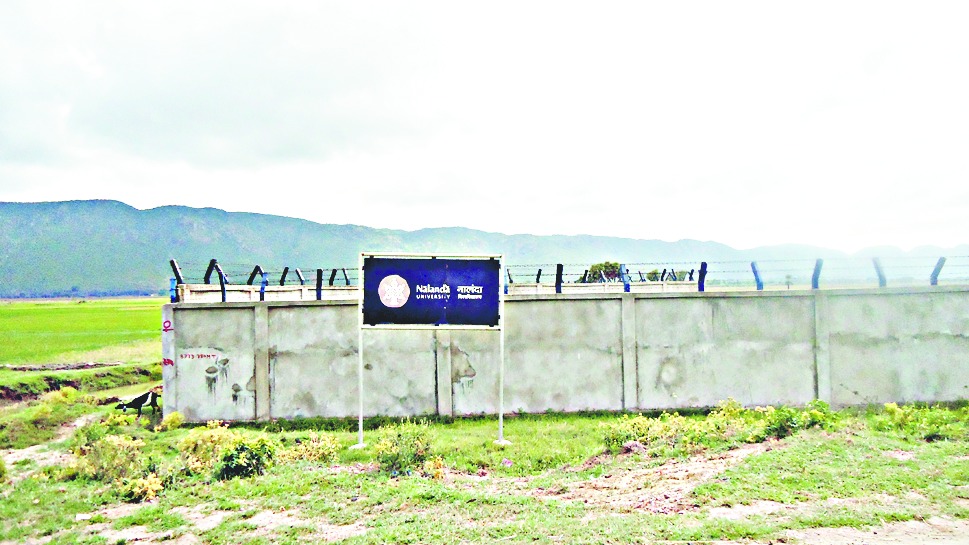
"The governing board will meet again to speed up various decisions regarding the university," the statement said. "The board also discussed the construction project and the possibility of fast forwarding the building of infrastructure so that a sizeable number of student population can be absorbed."
Pankaj Mohan, the acting vice-chancellor, will hold a media briefing in Rajgir next week, university officials said.
The board that met today was appointed in November by the government, replacing a team that Sen and thereafter, Yeo had led.
Yeo alleged the appointments were made without even informing him, and quit questioning the government's vision for the university's autonomy.
Sen, Yeo and the board at that time had also challenged a provision of the Nalanda University Act that effectively gave seats on the board to the five countries that had contributed the most financially to the varsity.
The board at the time argued this was akin to selling seats on the university's top decision-making body, and suggested rotational membership of the board among countries of the East Asia Summit. The university was set up under a decision of the 18-member East Asia Summit.
The Modi government had accepted this proposal and amendments to the law were drafted when the board was replaced by its current members.
The current board has country representations from India, Laos, China, Australia and Thailand.