
Several healthcare projects started in public-private partnership (PPP) mode have come a cropper with the service agencies and the government involved in a blame game.
One of the projects that took off was the government's telemedicine service that involved use of telecommunication and information technologies to provide clinical healthcare from a distance.
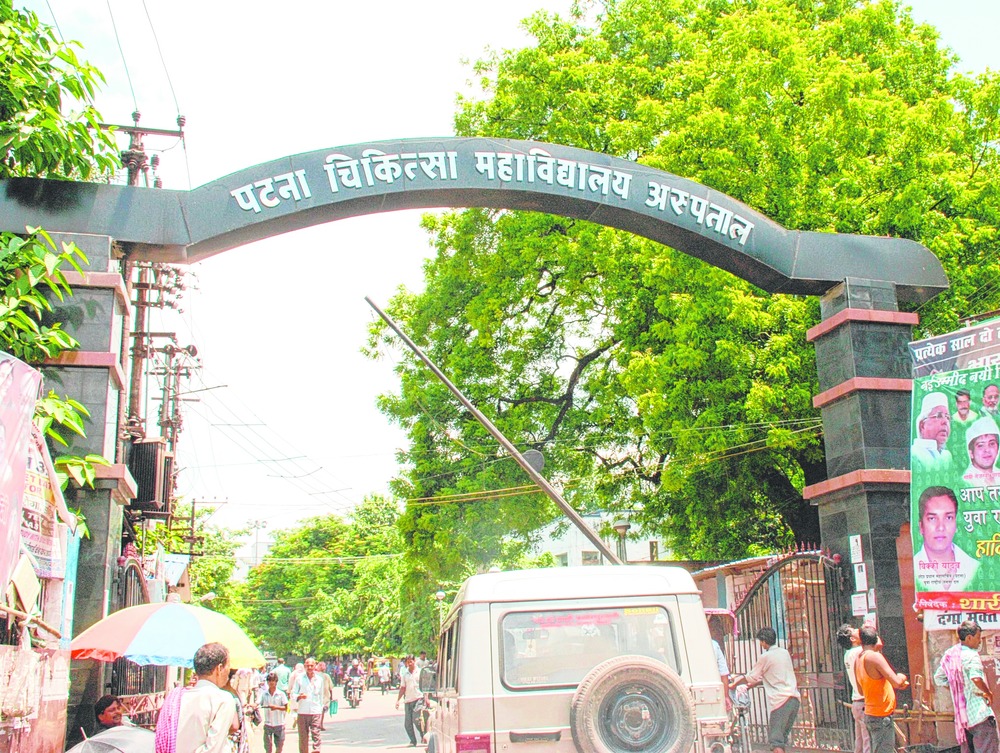
Chief minister Nitish Kumar inaugurated the facility at Patna Medical College and Hospital (PMCH) on November 27, 2013. Keonics, an enterprise of the Karnataka government, was given the job to develop and run the facility. It was also made available to Indira Gandhi Institute of Cardiology (IGIC), along with 22 district hospitals and 82 primary health centres, in the first phase.
According to the project's second and third phase, the facility was to be taken to rest of the government health centres. Hospitals in other states were also to be joined with the service. Since last year, the PMCH and IGIC telemedicine centres are not functional.
Kumar Amar Jamadhiar, nodal officer, Keonics, said: "The government is yet to pay us Rs 9 crore for the first phase. The biggest hurdle for us is non-payment of operational expenses to cover salaries of technicians and Internet charges. We tried to manage the expenses from our pockets, assuming payment will be made according to the agreement but that did not happen."
"The government was supposed to provide an ayush doctor and a paramedic official at each location. But most of the centres in the districts did not have doctors for the first two years."
Sources in State Health Society, Bihar, claimed Keonics failed to develop the telemedicine centres in phases, as stipulated in the contract, for which payment was stalled.
Health society executive director-cum-secretary of the health department Jitendra Kumar Srivastava said: "Majority of Keonics's payment was cleared. The company was confused over payment for the second and third phase. While the memorandum of understating (MoU) said in the first year, the government would pay for the services, in the second and third year, Keonics had to share the profit with the government in 50:50 mode. Keonics officials, however, claimed this was not mentioned in the contract. There was a lot of litigation so we did not extend the contract."
Another service in the healthcare sector is nearing failure. The government involved Doyen Diagnostic & Research Foundation in Calcutta to provide diagnostic services at five medical college and hospitals, including PMCH and Anugrah Narayan Medical College and Hospital. The officials alleged non-payment of dues was creating problems.
"We are supposed to get Rs 5 crore from the state government," said a senior official of the company, adding that according to the MoU, Doyen was supposed to take money from patients in lieu of services.
The government later issued an order stating that the Rogi Kalyan Samiti of the hospitals concerned would pay the money because of a policy decision to provide free diagnostic tests to patients at government hospitals.
"Our service changed from cash to credit," added the official. "The government did not consult us before changing the modus operandi of payment. We don't know how long we'll be able to sustain the service."
Srivastava again said the district health societies did not pay the money as claimed by the company because the service was not found worth the payment demanded. "If the private party has a complaint regarding payment, they can complain to the appellate authority," he said.
The government is already fighting a legal battle with Dr Jain Video on Wheels Ltd, which was running the 102 ambulance service in a PPP mode. The company had claimed the State Health Society, Bihar, failed to pay it Rs 41 crore. The matter is sub judice and the government is right now operating the 102 ambulance service on its own.