|
 |
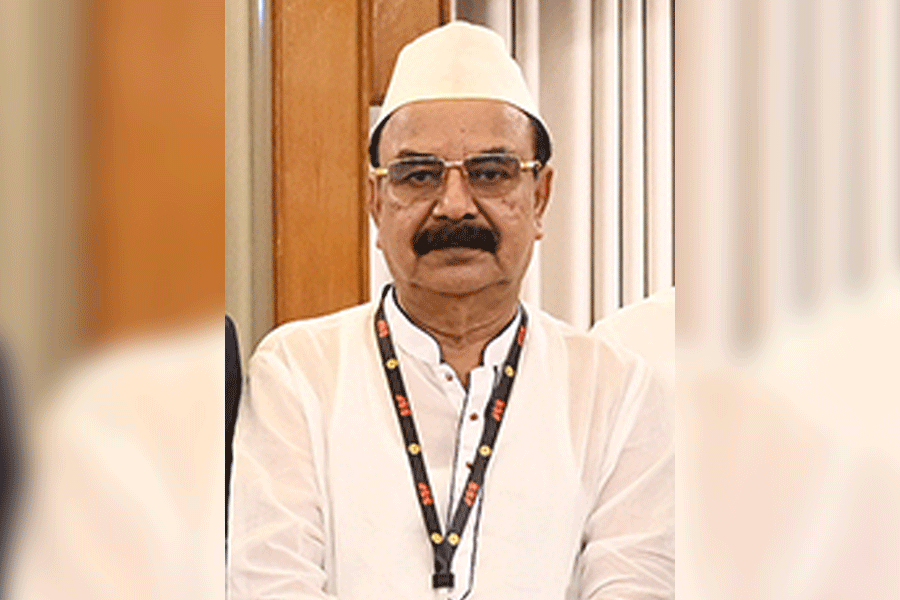
| Nitish, Siddiqui |
Barbs will fly like bullets at the Maurya Hotel on the evening of March 3 as the inaugural The Telegraph Bihar Debate 2011 brings to town the ultimate shootout for the argumentative Indian.
Eight sharp minds who have a way with words — and a yen for debate — will take the stage and engage in the war minus the shooting.
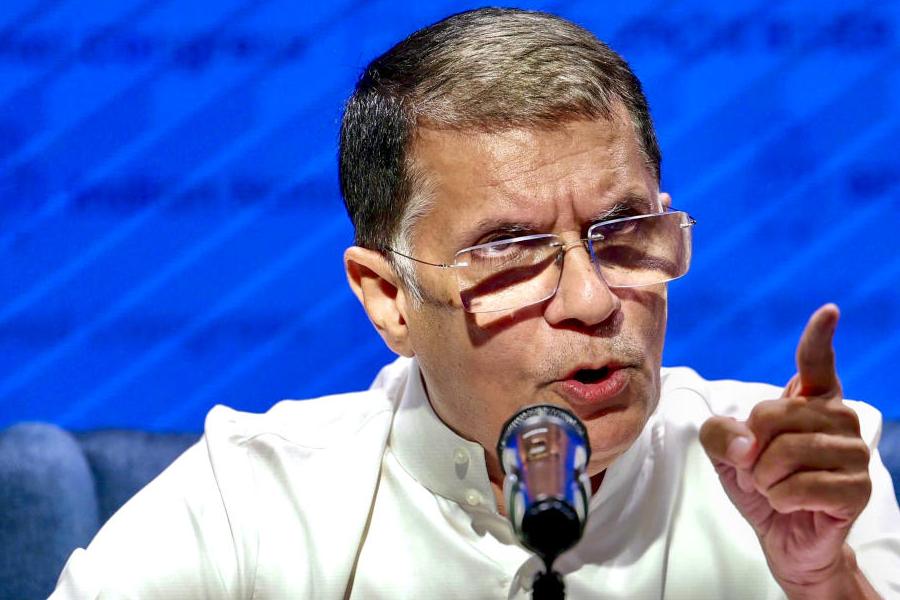
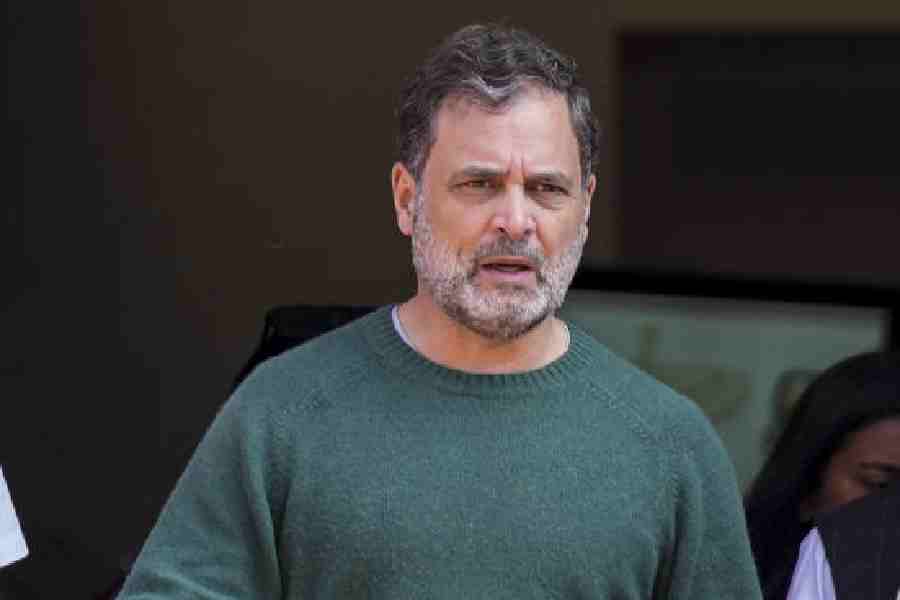
The panel pits a chief minister (Nitish Kumar) against a political veteran and Leader of Opposition (Abdul Bari Siddiqui), a Rajya Sabha member (Ali Anwar) against a doctor-turned-former minister (Shakeel Ahmad), a politician from Himachal with a keen interest in cricket (Anurag Thakur) against a former IFS officer-cum-civil rights crusader (Syed Shahabuddin), and an economist (Shaibal Gupta) against a fiery journalist (Nalini Singh).
The motion? In the opinion of the house, caste is no longer relevant in Bihar politics.
One team must impress upon the audience that Bihar’s politics and politicians have moved beyond caste considerations. The other must prove that caste remains an important factor in the state’s tumultuous political arena.
The Telegraph debate is an initiative that reflects the newspaper’s stress on promoting debate and discussion. The Telegraph believes that debates are integral to democracy and freedom, two virtues to which the newspaper is committed. The Telegraph publishes on its pages a range of views so long as they are logically argued. This commitment to debate The Telegraph carries beyond its pages.
Over the years, The Telegraph has presented in Calcutta a National Debate in which eminent speakers, from different areas of public life, are invited to debate a particular theme or topic. The popularity of these events — 4,000 to 5,000 people come to listen every year and many more see it live on television — has only strengthened The Telegraph’s commitment to free discussion and exchange of views.
The Telegraph has also organised debates in venues outside Calcutta, especially in Jamshedpur. It is now time for The Telegraph to bring the debate to Patna.
For the audience, it is an opportunity to partake of the intellectual excitement generated by the speakers’ incisive wit and powerful rhetoric.
So what is The Telegraph Bihar Debate 2011 in sum? It is a tribute to Patna’s intellectual history and tradition, it is a toast to The Telegraph’s commitment to discussion and the world of ideas; it is a salute to the argumentative Indian in us all.