
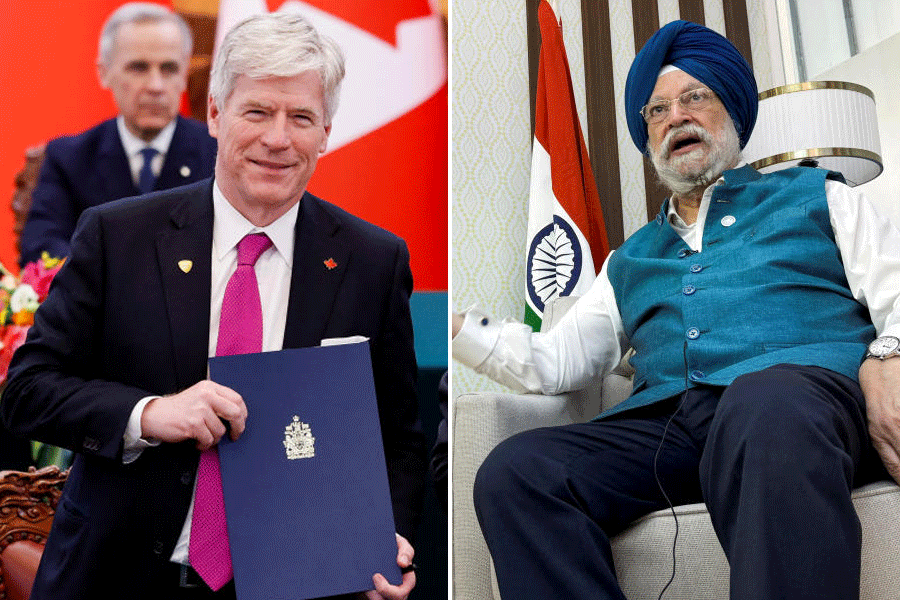
Canada and India will use a high-profile energy summit in Goa this week to reboot a stalled bilateral relationship, pledging expanded trade in oil and gas after months of diplomatic chill, according to a report.
Canadian energy minister Tim Hodgson and Indian petroleum and natural gas Minister Hardeep Singh Puri are set to meet on Tuesday on the sidelines of India Energy Week.
They will relaunch a “ministerial energy dialogue” that once anchored cooperation between the two countries, Bloomberg reported quoting sources.
The mechanism fell dormant amid tensions over the killing of Canadian Khalistani activist Hardeep Singh Nijjar, which strained ties.
Under the reset, Ottawa will commit to shipping more crude oil, liquefied natural gas and liquefied petroleum gas to India while Delhi will send greater volumes of refined petroleum products to Canada.
The commitments follow a closed-door meeting between the two ministers, according to a joint statement seen by Bloomberg.
The renewed engagement marks one of Canadian Prime Minister Mark Carney’s most visible efforts to diversify export markets at a time of escalating trade tensions with the United States. Carney spelt out his country’s shift at the WOrld Economic Forum in Davos, Switzerland, where his speech was seen as a clarion call to the world to stand up to the bullying Donald Trump’s US
Hodgson and Puri will also commit to facilitating greater reciprocal investment in each other’s energy sectors and to exploring collaboration across a wide range of technologies. These include hydrogen, biofuels, battery storage, critical minerals, electricity systems and the use of artificial intelligence in the energy industry, the statement said as reported by Bloomberg.
Two-way goods trade between Canada and India reached US $9.7 billion in 2024. India accounts for just 1 per cent of Canada’s critical minerals exports.
Canada began exporting liquefied natural gas (LNG) to Asia in June 2025, while its liquefied petroleum gas terminals offer relatively short shipping routes to India. The expansion of the Trans Mountain pipeline has also opened a direct pathway for crude shipments to Indian buyers, although most Canadian barrels destined for India still transit through the US Gulf Coast.
The timing of the India outreach is also shaped by broader geopolitical pressures.
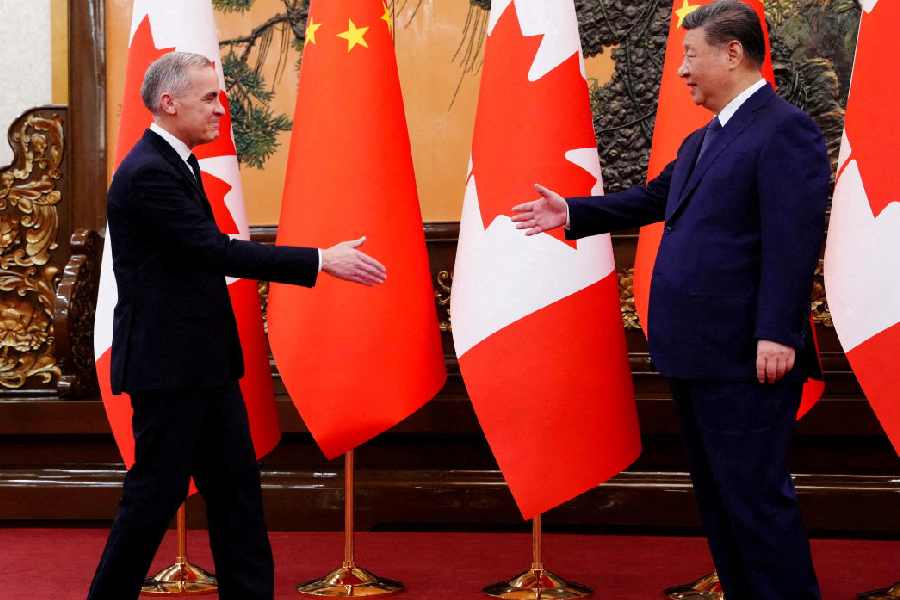
Carney’s expected visit will follow his recent trip to Beijing, where he and Chinese President Xi Jinping agreed to reduce tariff barriers, a move that drew a sharp reaction from Trump, who threatened 100 per cent tariffs on Canadian goods if Ottawa “makes a deal with China.”
Carney has since stressed that Canada is not seeking a free trade agreement with China, positioning India and other Asian partners as central to a more diversified trade strategy.
For New Delhi, the renewed energy dialogue fits into a wider push to secure reliable supplies while expanding its footprint in refined products and emerging energy technologies.