China has increased retail fuel prices as part of preparations for a fuel crisis amid apprehensions that the US-Israel-Iran war may prolong, leading to shortages of gasoline and diesel.
China’s top planner the National Development and Reform Commission (NDRC) has announced temporary measures starting from Tuesday amid increases in international oil prices.
The measures have been adopted to mitigate the impact of the abnormal rise in international oil prices, reduce the burden on downstream users, and ensure stable economic operation and social livelihood, the NDRC said.
Accordingly, gasoline and diesel prices will increase by 1,160 yuan (about USD 168) and 1,115 yuan per tonne (USD 159), respectively, according to the statement by NDRC.
China reportedly has about four months of emergency reserves.
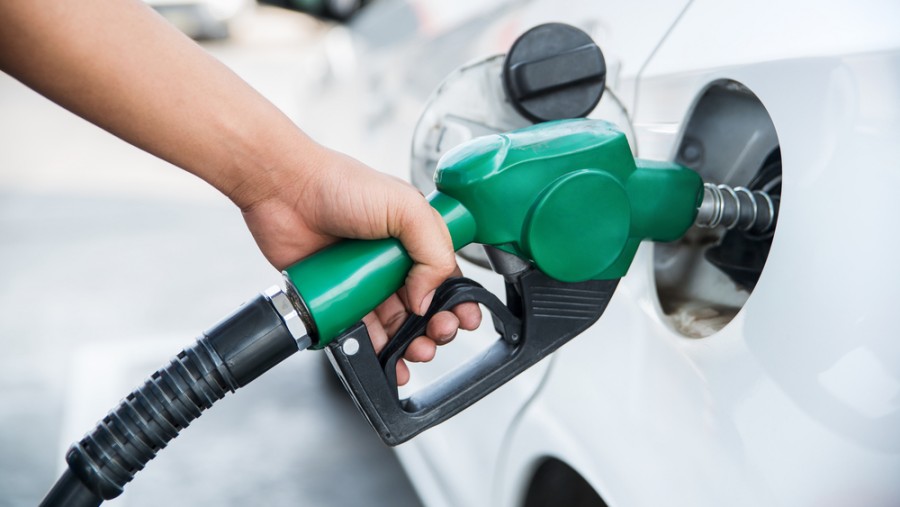
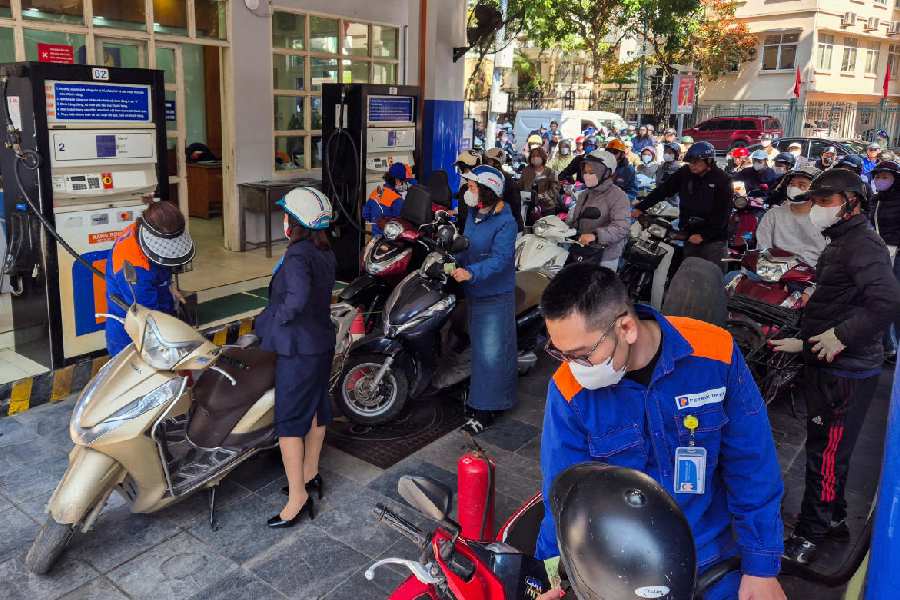
Following the announcement of the fuel price hike, vehicle owners rushed to gas stations all over China to fill their vehicles' tanks.
The West Asia conflict has led to the blockade of the Strait of Hormuz, a key shipping route through which 20 per cent of the world's energy is transported.
China depends on imports for about 70 per cent of its crude oil, with roughly 45 per cent of imports linked to flows through the Strait of Hormuz, implying about 30 per cent of total oil supply in the country is exposed to Hormuz disruptions.
“China’s energy consumption and power generation mix suggest that it is less exposed to energy supply shortage from Hormuz disruptions than most major economies and Asian peers,” Andrew Tilton, a China economics analyst at Goldman Sachs in Hong Kong, told South China Morning Post.
China has both gas pipelines connected through its borders with Russia and has long-term energy supply contract with Moscow.
Except for the headline, this story has not been edited by The Telegraph Online staff and has been published from a syndicated feed.