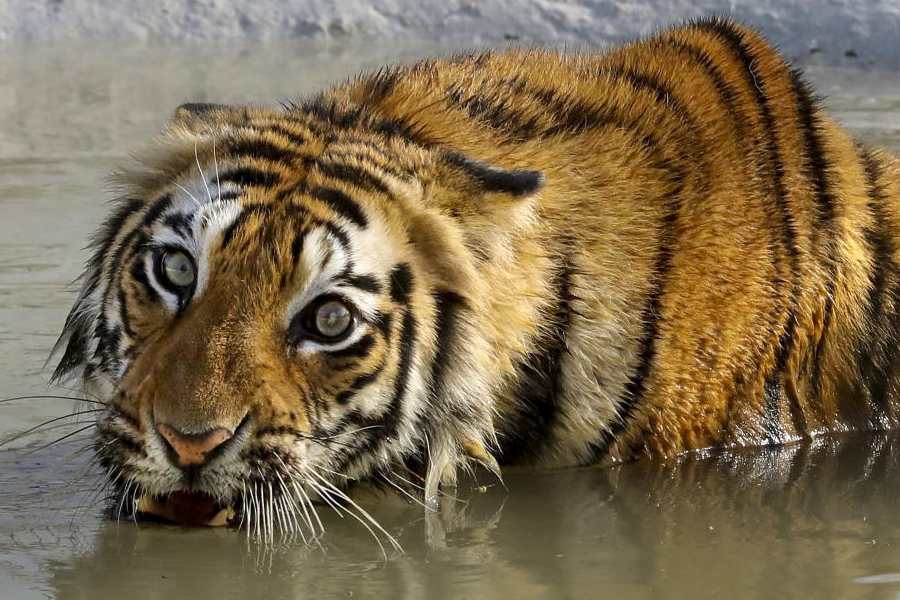
The plan to reintroduce tigers to West Bengal’s Buxa Tiger Reserve is moving slower than expected, with officials saying the transfer of big cats from Assam will only happen after human settlements inside the core forest area are fully relocated.
Senior forest officials said the presence of villages within the core zone remains the main hurdle in creating conditions suitable for sustaining a tiger population.
Work to move families out of these areas has been underway for years, but is yet to be completed.
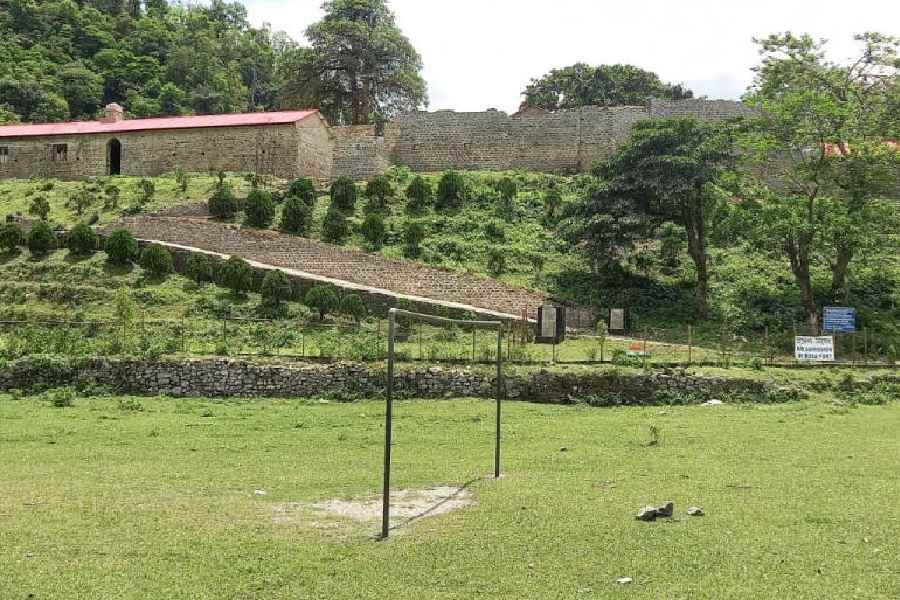
“To create a safer and undisturbed habitat for tigers, the forest department and authorities have been relocating villages from inside the core forest area to lands outside the reserve,” a forest official told PTI, adding that the process has been progressing while addressing early challenges.
Some relocations have already taken place. Families from Bhutiabasti have been shifted to a resettlement site called Bono Chhaya near Bhatpara Tea Garden in Kalchini.
Around the same time, residents of Gangutia, also known as Gangutiabasti, were relocated. Larger villages remain.
“Plans to relocate the larger Jayanti village and other contiguous areas are ongoing in accordance with National Tiger Conservation Authority (NTCA) guidelines,” the official said, noting that the relocation plan was conceived at least eight years ago.
From a conservation standpoint, officials say the approach is standard practice.
A senior NTCA official said, “Relocating people from core tiger habitats is a common conservation strategy to reduce human-tiger conflict and help big cats thrive in their natural range. Once all settlements are shifted outside the periphery and beyond the buffer zone, sufficient space will be available for tigers without human disturbance.”
Buxa, once home to tigers, has seen no confirmed sightings in recent months. During the winter of 2024–25, no tigers were spotted in the reserve.
The last confirmed camera trap image dates back to December 31, 2023, when a big cat was captured moving through dense forest.
“We don’t know whether this was a resident tiger, but it could have been a non-resident moving along the Bhutan-Buxa-Manas corridor,” a state forest official said.
Despite the uncertainty, the state government has drawn up plans to rebuild a viable tiger population in the reserve.
Officials said the proposal includes bringing in at least 12 tigers from Assam, with Manas and Kaziranga identified as potential source reserves. The choice of source areas has been deliberate.
To a question, a senior state forest official said, “a conscious decision has been taken not to augment tigers in the Buxa from the Sunderbans in West Bengal as the habitat is totally different with a different mangrove system.”
The Sunderbans, India’s largest mangrove forest, currently supports about 105 tigers, according to official estimates based on camera trap data and pug mark analysis.