The state fisheries department has come up with a plan to upgrade the Howrah fish market, one of the largest in Asia, to ?world standards?.
If the municipal affairs ministry clears the proposal, the market will ?soon? be modernised, said a senior officer of the fisheries department. He felt the market is in ?real need? of an upgrade.
?Our minister visits various cities and has seen some large fish markets. He wants the Howrah market, which is one of the largest fish markets in Asia, to be upgraded to global standards,? the officer added.
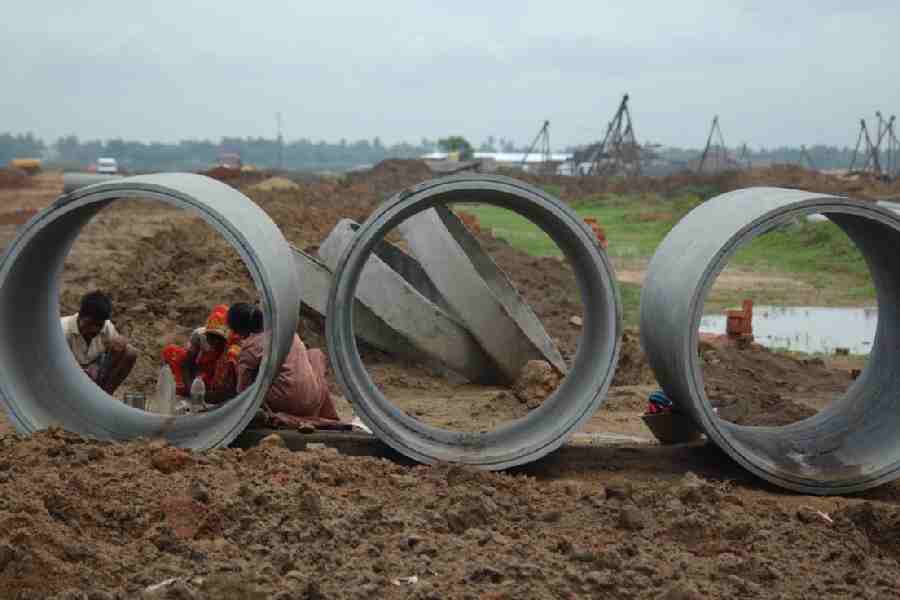
Secretary of the fisheries department Rachpal Singh Kahlon explained: ?We want to set up a good drainage system, build alleyways and carry out other improvements inside the market.?
He added:?We will supply the funds for the modernisation. An initial corpus of Rs 5 crore will be enough for the basic upgrade work. We are ready with the sum.?
Kahlon recently wrote to the secretary of the municipal affairs department, which owns the plot near Howrah station on which the market is situated, seeking permission for the project.
?If the municipal affairs department agrees to the proposal, we can start work soon,? the secretary claimed.
Situated in the heart of Howrah town, the fish market has 177 stalls. According to an official of the fisheries department, about 100 metric tonnes of fish is traded in the market every day for an estimated price of Rs 1 crore.
The majority of fish in the local markets of Calcutta, North 24-Parganas and South 24-Parganas is sourced through the Howrah fish market.
?Not only that, suppliers buy fish from us and send them to Guwahati, Kanpur, Siliguri, Lucknow and other parts of India. As all the importers of hilsa from Bangladesh trade in the market, it is the only source of fish in eastern India,? elaborated A.S. Anwar Maqsood, a trader at the market and one of the directors of Howrah Wholesale Fish Market Stall Owners? Cooperative Society.
He complained that lack of maintenance had turned the market into a ?hellhole?.
?There is no drainage system. The garbage is not cleared regularly. Water from fish containers mix with the garbage to create an environmental nightmare,? said Maqsood.
?The situation becomes intolerable during the monsoon, as accumulated rainwater, garbage and mud make it impossible to walk inside the market. Our business takes a severe beating during monsoon, which is the prime season for Bangladeshi hilsa.?