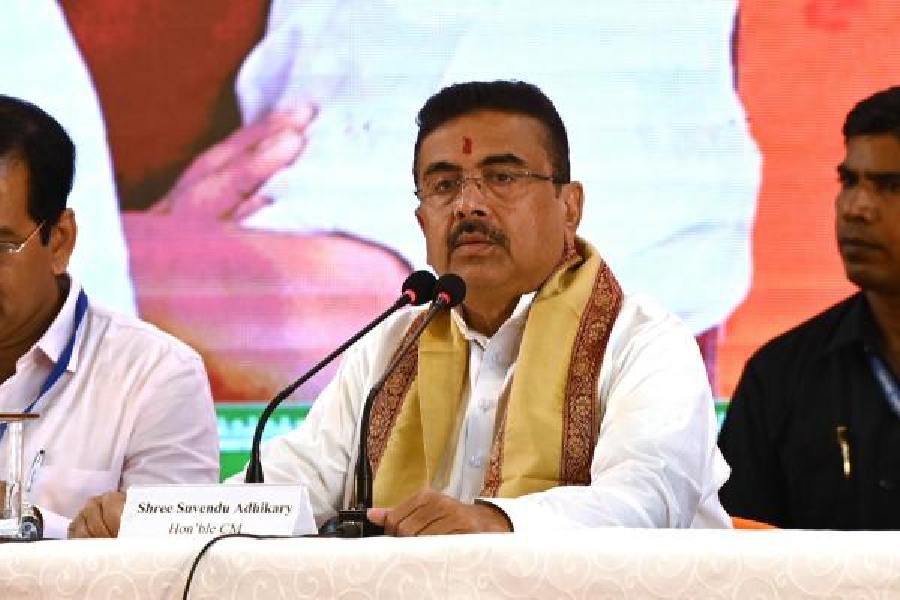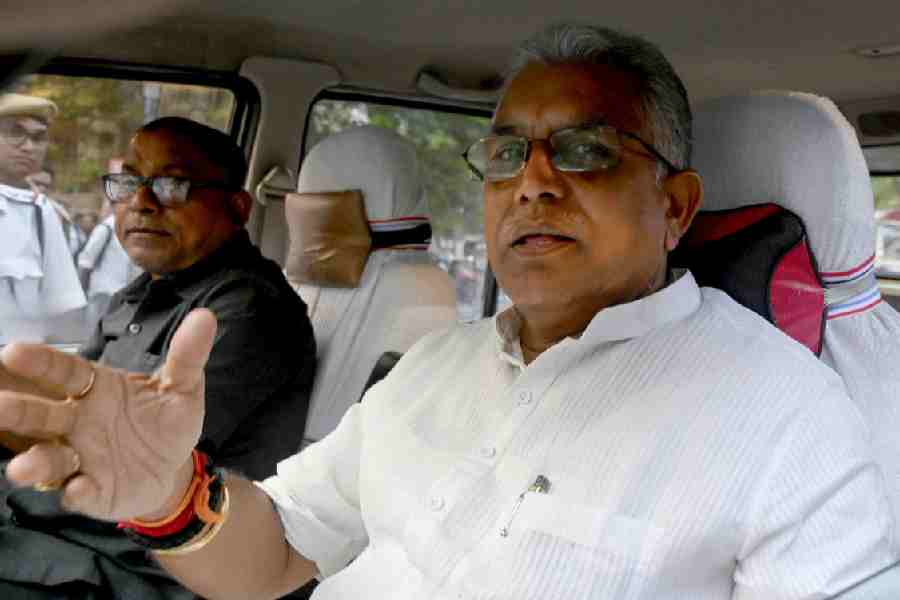
The BJP government banked on Dilip Ghosh, the minister with three important portfolios, including the panchayat and rural development department, to revive Bengal’s rural economy, while Agnimitra Paul was assigned two departments, including urban development, to restructure the urban pockets of the state.
Both Ghosh and Paul, along with three other cabinet ministers of the new government, had already begun their work from day one and were busy with different activities in their departments on Tuesday.
Besides panchayat and rural development, Ghosh was also assigned to take care of two other departments — animal resources development and agricultural marketing — both crucial for rural development.
BJP sources have said Ghosh has to work in tandem across the three departments to ensure that the rural economy gets a boost with central funds, including support for agriculture.
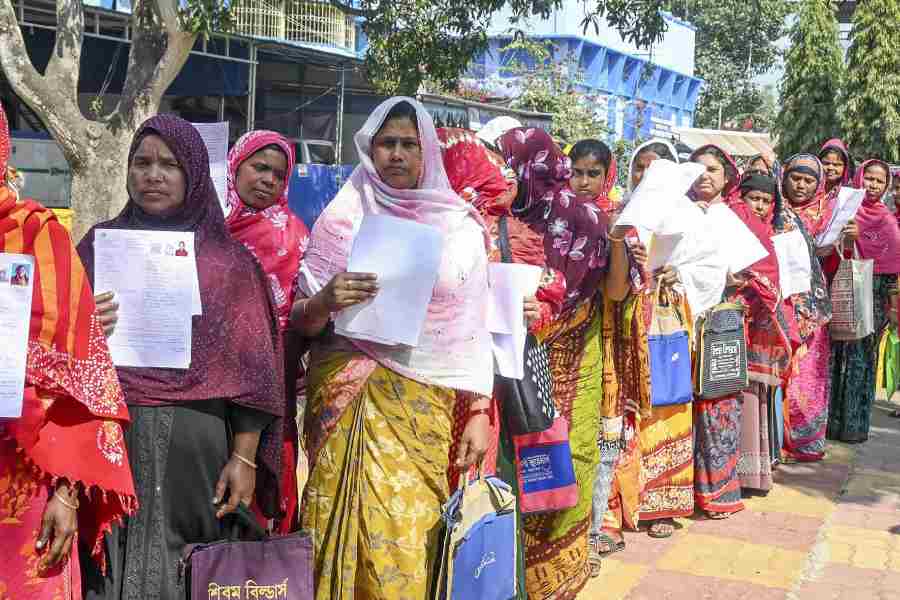
The rural economy had already been facing a setback following the Centre’s withholding of funds under two major schemes — MGNREGA and Pradhan Mantri Awas Yojana. As the BJP has come to power, the flow of funds will be restored, and that is why Ghosh’s role is important.
“The funds for both housing units and Viksit Bharat—Guarantee for Rozgar and Ajeevika Mission (Gramin) (VB—GRAM G) will come to the state. The most important issue is the lack of staff in the panchayat department. So, we have to recruit people to run all the schemes properly and free of corruption,” Ghosh told The Telegraph.
Ghosh said that he had already informed officials in the panchayat department that, as minister, he would travel to districts with them to understand the requirements and issues on the ground.
“I am always on the ground, so I want reports from the horse’s mouth. There are three departments, and all are connected. So, I have to work in tandem, as the other two departments are also linked to rural development,” said Ghosh.
Another important department under his charge is agricultural marketing, which is directly connected with farmers and plays a crucial role in keeping the rural economy going. The issue of potato farmers was a major concern for the department, as thousands of farmers suffered losses this time because of bumper production and the state government’s policy of banning interstate trade.