Despite widespread opposition, including citywide protests and a joint appeal by 140 lawyers and feminist groups, the Transgender Persons (Protection of Rights) Amendment Bill, 2026, has cleared Parliament.
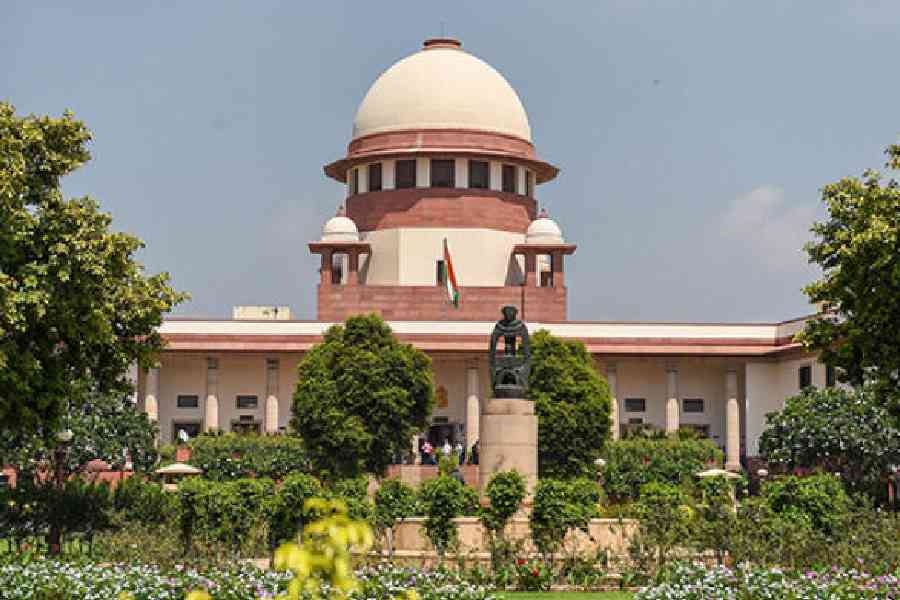
Even an advisory panel led by former Delhi High Court Justice Asha Menon warned that denying self-identification contradicts the landmark 2014 NALSA v. Union of India ruling. Yet, Presidential assent was granted on March 30, mandating medical board certification for gender recognition.
This overturns the 2014 Supreme Court judgment that “your gender belongs to you.” No medical tests required. Previously, one could simply declare their identity to a magistrate; now, a panel of doctors decides if you are “trans enough.”
Critics argue this risks discarding identities like declaring a living person dead, disproportionately affecting Hijras, trans men, non-binary folks, and intersex communities. While the government claims this prevents misuse, activists see it as surveillance that ignores existing implementation gaps.
Protests at Jantar Mantar continue, defending dignity against a law that swaps autonomy for clinical scrutiny. The nation now faces a critical question: Which vision of identity will prevail?
Video Editor: Joy Das