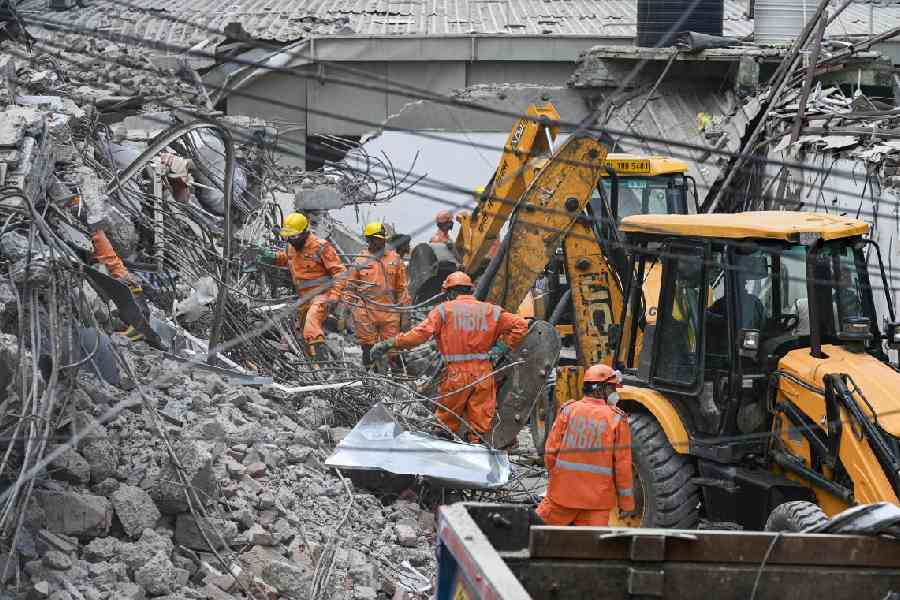
Is the Iran peace deal — an elusive entity — being brought under further duress? There are reports suggesting that the president of the United States of America, Donald Trump, has sent back harsher conditions for peace to Tehran. That is not the only alarming development. The US has carried out operations against Iranian military sites; Tehran, in turn, has attacked American military installations. These are at least the third-known incidents of escalation around the contested Strait of Hormuz. There is some talk of these acts of limited aggression being part of the pressure tactic employed by the adversaries. But their most likely impact would be the peace deal being subjected to further pressure. Will the talks hold? Ironically, the global attention on the Iran war has eclipsed, somewhat, the strain that another critical truce is enduring. The longevity of the Gaza Peace Plan is also in doubt. Under the terms of the ceasefire reached in October, the Israeli armed forces were supposed to hold 53% of Gaza. Last Friday, Benjamin Netanyahu declared, without specifying details, that he plans to raise Israel’s control — occupation — in Gaza to over 70%. There are other stress factors besides Mr Netanyahu’s threat. Two of the most contentious challenges to peace in Gaza pertain to Hamas’s decommissioning and the withdrawal of Israel’s military. Not much progress has been made on either of these prickly points. Equally worrying is the inertia that has struck Mr Trump’s Board of Peace, which appears to be sinking into a quagmire of legal and financial challenges. The humanitarian crisis, in the meantime, gets worse for the besieged Palestinians.
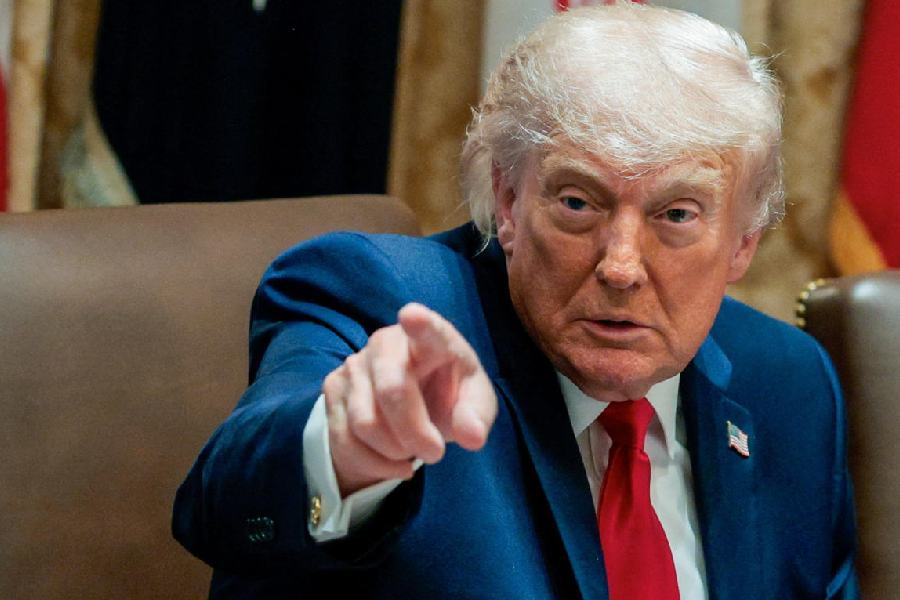
These persisting roadblocks to peace in Gaza, Iran and, not to forget, in Ukraine, have led to questions about Mr Trump’s diplomatic finesse. A number of reasons have been cited to explain Mr Trump’s failures in these theatres of conflict. They range from an overestimation of America’s military and diplomatic leverages to an ignorance of the layered nature of global challenges as well as Mr Trump’s prioritisation of instantaneous success in complex matters. If the fragile peace in West Asia does not hold, the renewed fire would engulf the world — the US will not be an exception. Already, Mr Trump’s presidential ratings have dipped in an America battered by inflation. Attaining peace is an existential need for West Asia, the world, and even Mr Trump.