Too quick
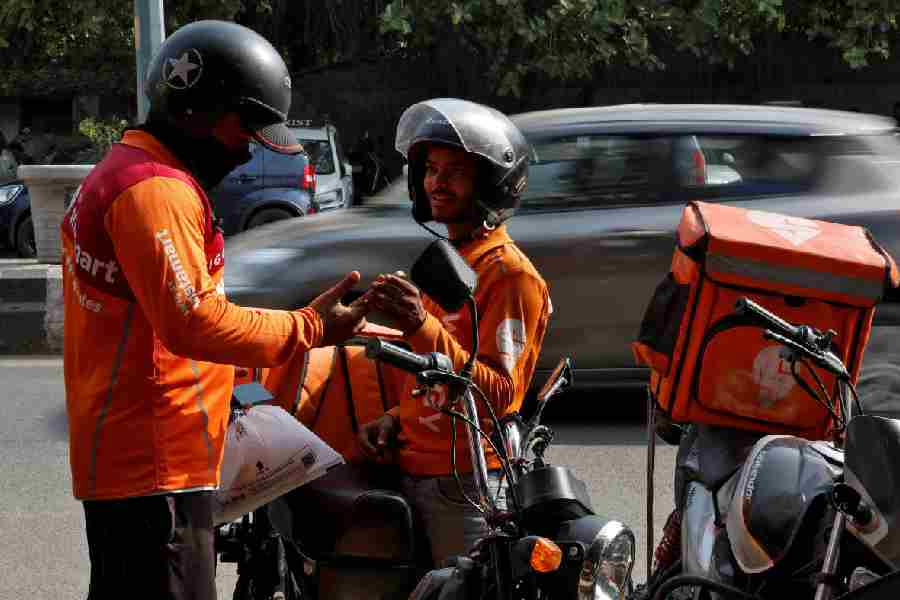
Sir — Buying milk, gold coins, and multiple iPhones on a quick commerce platform is odd but that is what Indians did according to the How India Instamarted 2025 report. Quick commerce makes spending feel effortless. Speed removes the need to pause for thought, which once acted as a brake on impulse spending. Many consumers now value convenience over consideration. Big purchases arrive with the same ease as bread and eggs. This ease changes behaviour. Shopping becomes casual, even careless. When quick commerce first started, it was meant to cater to last-minute necessities. Since then, everything from iPhones to Dyson hairdryers are now available on these platforms. The only thing not available is restraint.
Prerona Roy,
Calcutta
Restive state
Sir — The killing of the student leader, Sharif Osman Hadi, and the attack on the other young leader, Motaleb Sikder, point to a dangerous erosion of political restraint in Bangladesh. Pre-election violence undermines the credibility of any forthcoming poll. Young leaders are being targeted at a moment when democratic participation should expand. This pattern creates fear among voters and activists alike. Stability is a precondition for free elections. Without decisive action to curb armed intimidation, the February polls risk becoming a procedural exercise devoid of public confidence.
Tharcius S. Fernando,
Chennai
Sir — Bangladesh’s interim government appears ill-equipped to manage the present turmoil. Repeated incidents of gun violence expose gaps in policing and political authority. Elections held under such conditions cannot command legitimacy. Calls by some parties for the postponement of the general elections in February in that country reflect real anxieties about safety. Restoring order must precede electoral competition. Otherwise, ballots will be cast under the shadow of fear, weakening the mandate of whoever emerges victorious.
Ajay Tyagi,
Mumbai
Sir — The recent attacks on cultural institutions in Bangladesh signal a steady narrowing of public space. Chhayanot was targeted because it represents plural and secular traditions that once defined national life. These incidents reflect a wider climate of intolerance that has grown under the current interim government. Violence against cultural institutions is rarely spontaneous. It flourishes when ideological forces sense impunity. Bangladesh’s history shows that cultural repression often precedes political coercion. Silence at this stage risks normalising acts that corrode social trust and weaken democratic habits beyond repair.
Anil Bagarka,
Mumbai
Sir — The marginalisation of linguistic and cultural nationalism in favour of religious majoritarianism will weaken the foundation of Bangladesh. Minorities face vilification while militant groups regain legitimacy. This shift also enables warmer ties with Pakistan and deeper strategic engagement with China. These choices alter regional balances and invite instability. History shows that identity politics framed through exclusion rarely delivers social cohesion. Bangladesh’s strength lay in pluralism. The country should not forget that.
P.K. Sharma,
Barnala, Punjab
Sir — India’s response to developments in Bangladesh has lacked strategic coherence. Moral criticism carries little weight when domestic conduct towards minorities remains contested. Bangladesh’s growing proximity to Pakistan and China poses real security risks for India in the Northeast. Tepid diplomatic signals embolden hostile actors in that country. A clear regional strategy is overdue, including deeper engagement with Southeast Asia and Myanmar. Strategic patience must not slide into passivity. National interest requires foresight, coordination, and an acceptance that difficult choices cannot be deferred indefinitely.
Tousik Rahman,
South 24 Parganas
Sir — The glorification of new political actors in Bangladesh obscures uncomfortable continuities. Democratic deficits did not begin with one leader, nor will they end with her removal. Right-wing religious groups have exploited the current vacuum with speed and discipline. Media intimidation and mob justice reveal institutional collapse. Elections alone will not restore credibility without an impartial administration and inclusive participation in the electoral process. Excluding major political formations guarantees future contestation. Stability demands restraint, accountability, and a rejection of revenge politics masquerading as renewal.
Shreya Basu,
Nainital
Syncretic festival
Sir — Urban Christmas displays in India reflect commerce rather than lived faith. Malls and bakeries present a borrowed aesthetic that feels familiar to global consumers but distant from everyday Christian homes. Indian Christians celebrate Christmas through regional customs shaped by language, food and neighbourhood life. Paper stars, rangolis, lanterns, and nativity scenes express continuity with local traditions. This quieter, domestic Christmas rarely features in public imagery. The gap matters because it reduces a diverse religious practice to a single imported style that neither represents history nor community experience.
Jubel D’Cruz,
Mumbai
Sir — Indian Christmas celebrations highlight pluralism without spectacle. Shared food, exchanged sweets, and open homes invite neighbours of all faiths into the festival. These practices mirror broader Indian festive habits. Such openness sustains social harmony at a local level. Public discourse often focuses on visual excess while missing this everyday inclusiveness. Christmas in India survives through shared tables across communities.
Diana David,
Calcutta