Back to the wall
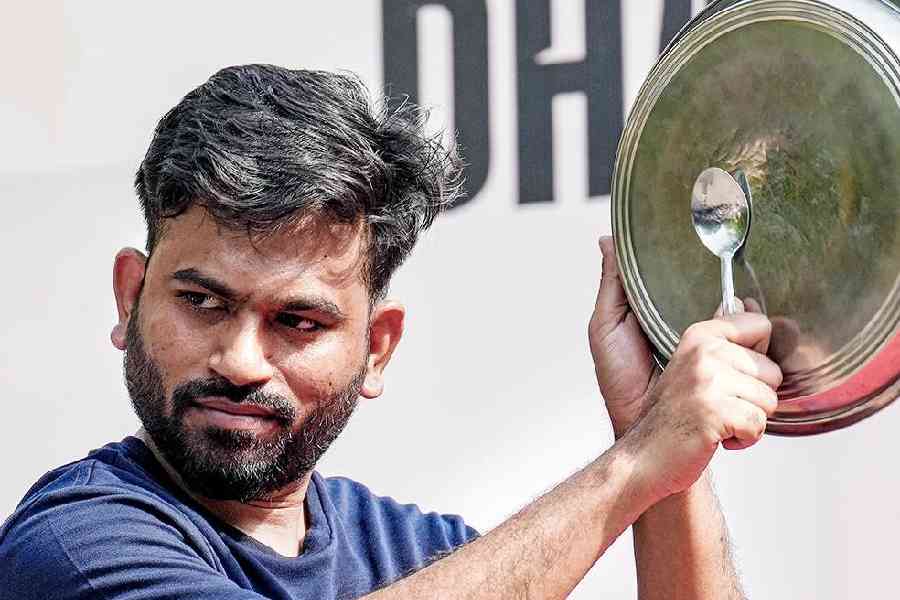
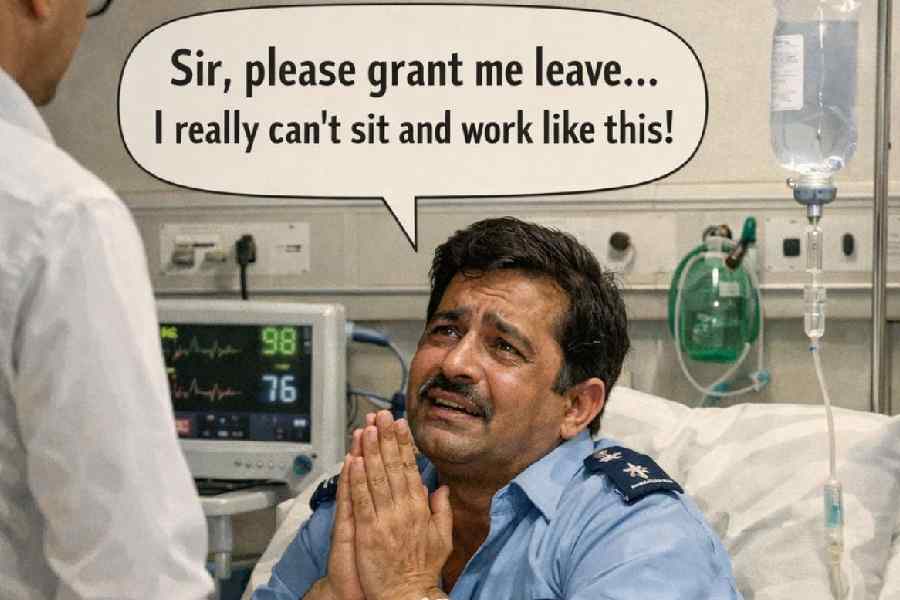
Sir — In a desperate bid to prove that his medical condition was real and serious, a locomotive pilot who had undergone piles surgery and was not being granted leave decided to let his literal backside do the talking. While the image of a man dropping his pants before his boss may invoke mirth, it highlights a disturbing, toxic work culture where the dignity and the health of employees are ignored. It is absurd to expect a loco pilot to keep trains running on time instead of recovering from a serious surgical procedure. Clearly, the toxicity of the private sector’s work culture has spread to the public sector as well. When an employee feels forced to trade his privacy just to take a sick day, it shows how badly the system has been derailed.
Aditi Saha,
Calcutta
New dawn
Sir — The emphatic victory of the rapper-turned-politician, Balendra Shah, and the Rastriya Swatantra Party in Nepal’s parliamentary elections signals a firm rejection of the entrenched corruption within the old establishment (“On song”, Mar 9).
Nepal’s economy is currently stifled by low wages and trade deficits, while climate vulnerability continues to deepen inequality and drive youth migration. Addressing these hurdles will require pragmatic, forward-looking policies. New Delhi has historically engaged with Nepal’s traditional leadership; it must now pivot to build ties with this new generation of leaders to strengthen bilateral relations.
M. Jeyaram,
Sholavandan, Tamil Nadu
Sir — It is remarkable that the RSP, led by Nepal’s youth leaders, secured massive public support to form the government in Nepal. The crushing defeat of the old guard highlights a deep-seated disillusionment with traditional politics. Rampant corruption, unstable alliances, and high unemployment have driven the masses toward fresh faces. This new generation must now move beyond slogans and take decisive action to transform society.
D.V.G. Sankara Rao,
Andhra Pradesh
Sir — Nepal’s transition from monarchical rule to a modern democracy reached a historic turning point with the March 2026 general election results. Following the Gen Z uprisings that shook Nepal last year, Nepali voters have achieved a true revolution by rejecting the traditional political establishment outright. Unlike in Bangladesh, where the old guard returned to power, Nepal has embraced Balendra Shah, who is seen as a symbol of defiance against systemic corruption and nepotism. This democratic shift should serve as a vital blueprint for other developing nations where citizens are increasingly disillusioned with entrenched political dynasties.
Jang Bahadur Singh,
Jamshedpur
Sir — The sweeping victory of the RSP and the rise of the 35-year-old Balendra Shah signal a dramatic rejection of Nepal’s entrenched political order. Shah’s victory over the veteran leader, K.P. Sharma Oli, by a massive margin reflects the intense public anger against the established elite. The new leadership now faces the formidable tasks of tackling corruption, reviving a struggling economy, and ensuring political stability. If the RSP pursues pragmatic diplomacy, Nepal stands to gain by reinforcing its traditional ties with India and accelerating vital bilateral projects.
S.S. Paul,
Nadia
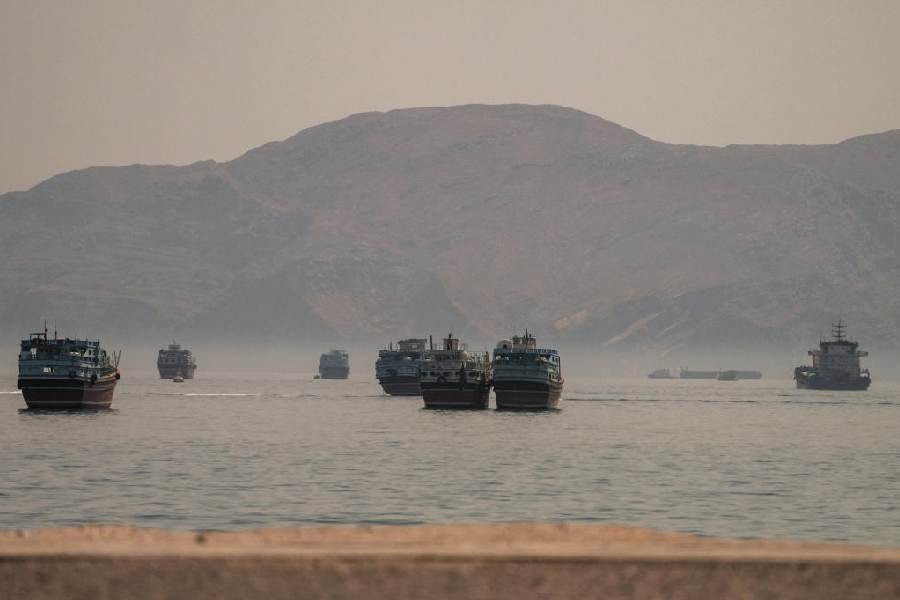
Sir — The defeat of the four-time prime minister, K.P. Sharma Oli, in his stronghold to the former mayor of Kathmandu, Balendra Shah, has shown the depth of public frustration with a political system that saw 14 governments in 17 years. However, Shah’s inexperience and perceived authoritarian style may hinder his ability to navigate the complexities of crime, corruption, and unemployment. To succeed, Shah must evolve into a mature leader capable of managing relations with the Opposition, the media, and critical neighbours like India and China. His most urgent priority remains the safety of nearly two million Nepali workers caught in the escalating conflict in the Persian Gulf region.
Bal Govind,
Noida
Sir — Balendra Shah’s victory in Nepal’s first national vote since last year’s youth-led uprising represents a dramatic shift in that country’s politics. By campaigning on issues like health and education for the poor, Shah successfully harnessed public anger toward traditional parties. While his victory is historic, the expectations for meaningful change from him will be exceptionally high.
Jayanta Datta,
Hooghly
Narrow miss
Sir — In sports, not all defeats are disasters; some are as inspiring as victories. Lakshya Sen’s All England Championship run demonstrates this (“Lakshya falls short, yet again”, Mar 9). In the semi-finals, Sen hobbled through the third game, battling cramps, to win a match that staggered beyond 90 minutes. Although physically drained, he returned to the court in less than a day to face Lin Chun-Yi, an opponent who had spent an hour less on the court over the week. While the men’s singles crown has eluded India for 25 years, Sen — playing his second final after 2022 — gives hope that this goal is achievable. His performance proves it is always possible to be a better version of oneself.
Khokan Das,
Calcutta
Sir — Lakshya Sen narrowly missed out on winning the All England Championship for a third time, losing a close battle to Taiwan’s Lin Chun-Yi. While Sen fought hard, he could not join the elite company of Prakash Padukone (1980) and Pullela Gopichand (2001), who remain the only Indians to win the prestigious title. But wins and losses are part and parcel of the game; the result should be accepted with honour and sportsmanship.
Fakhrul Alam,
Calcutta