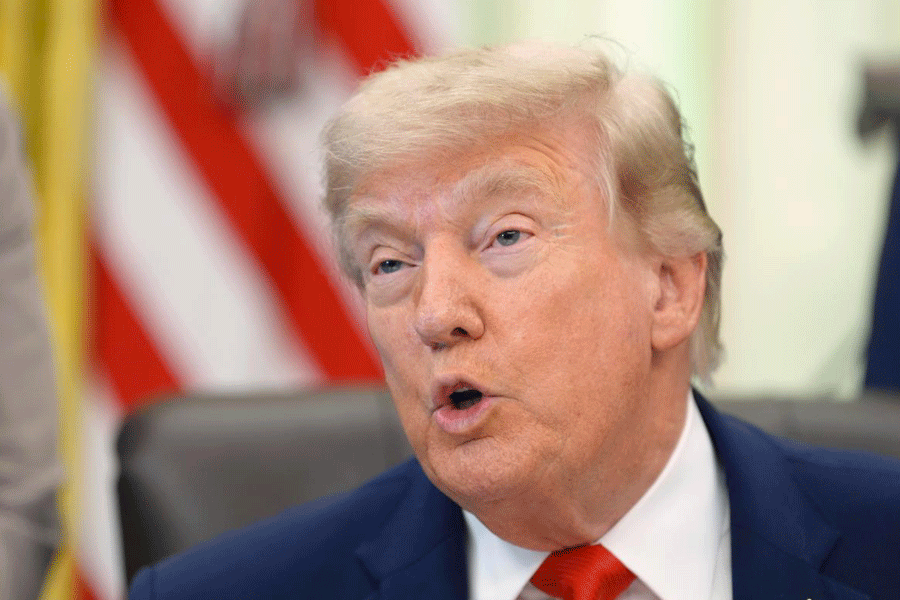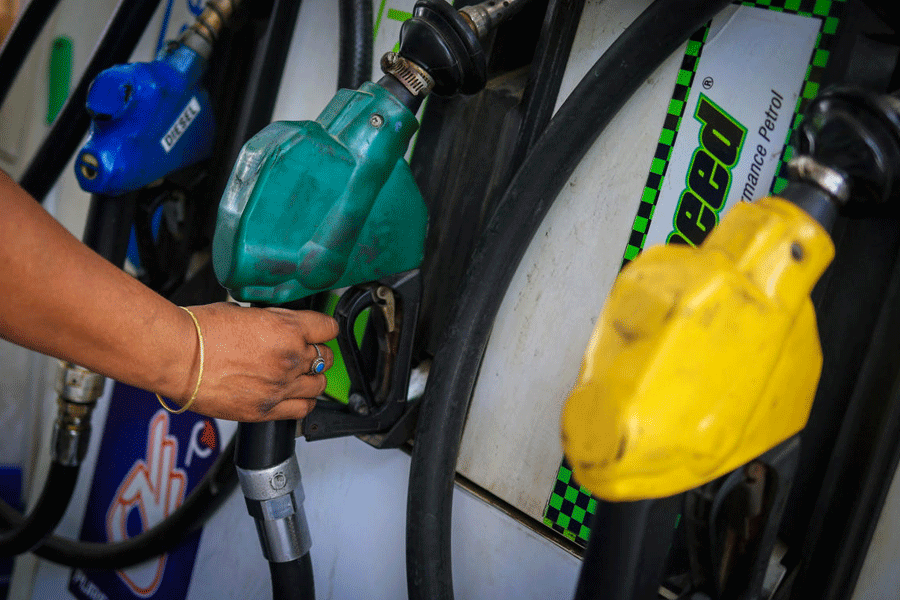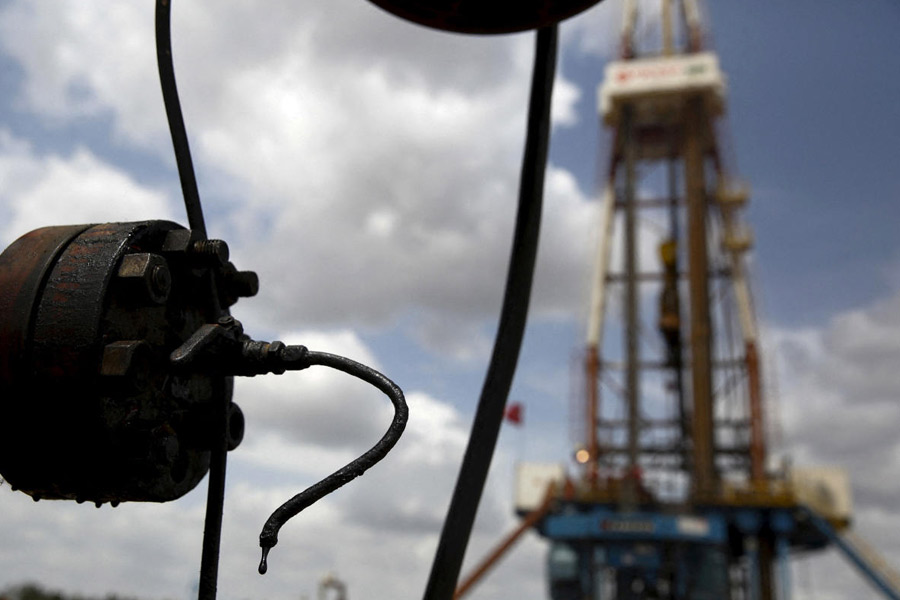
Data, it is often argued, is the new oil. But that does not mean that oil has lost its geopolitical heft. The crisis in fuel and energy that the world and India are battling to contain in the wake of the military confrontation in West Asia, where Iran is besieged by Israel and the United States of America, shows that much of the world continues to run — and, on occasions such as this, slip — on oil. Oil has been trading at an escalated barrel price; supply-side disruptions have spread as well. In India, the Centre has invoked emergency measures so as to ensure unimpeded supply of these critical resources across sectors. Oil and gas prices have been erratic in the US: gas prices have begun to bite Europe. All this is revealing given that oil’s share in meeting the energy needs of the world is no longer what it used to be: it is less than 30%, according to the International Energy Agency, given that two-thirds of the global expenditure on energy is now directed towards cleaner sources, such as solar power. But the fine print makes for interesting reading. The world now guzzles more oil than it did in the 1970s, while natural gas powers a much wider array of energy grids, domestic and otherwise. Both these resources have been threatened by the West Asia crisis and the resultant constriction of shipping traffic in the Strait of Hormuz. The impact of the West Asia crisis on oil, it is being speculated, could offer momentum to the shift towards clean energy. But this post-oil future that is often speculated upon, an era where cleaner alternatives meet global energy needs, thereby toppling oil from its perch, is, by the look of things, yet to arrive. Moreover, would such a future — this is another relevant issue — be free of the inequalities in resources that plague modern geopolitical ties?
Oil’s continuing geostrategic magnetism makes it a double-edged sword. Its prized status leads to flare-ups. The US’s unprincipled military intervention in Venezuela, for instance, was, critics believe, underpinned by Donald Trump’s avarice for Venezuelan oil. In West Asia, oil and energy have become the conflict’s collateral victims with the contestants targeting key oil and gas installations across the Middle East. There is, however, also a silver lining. Given oil’s relevance, a steep crisis could actually facilitate de-escalation of military confrontations such as the one taking place in West Asia.