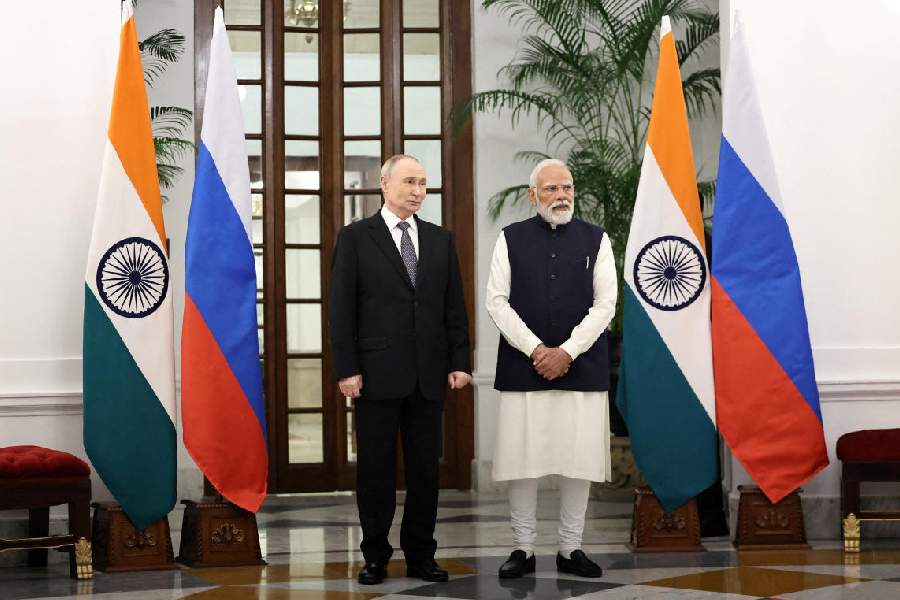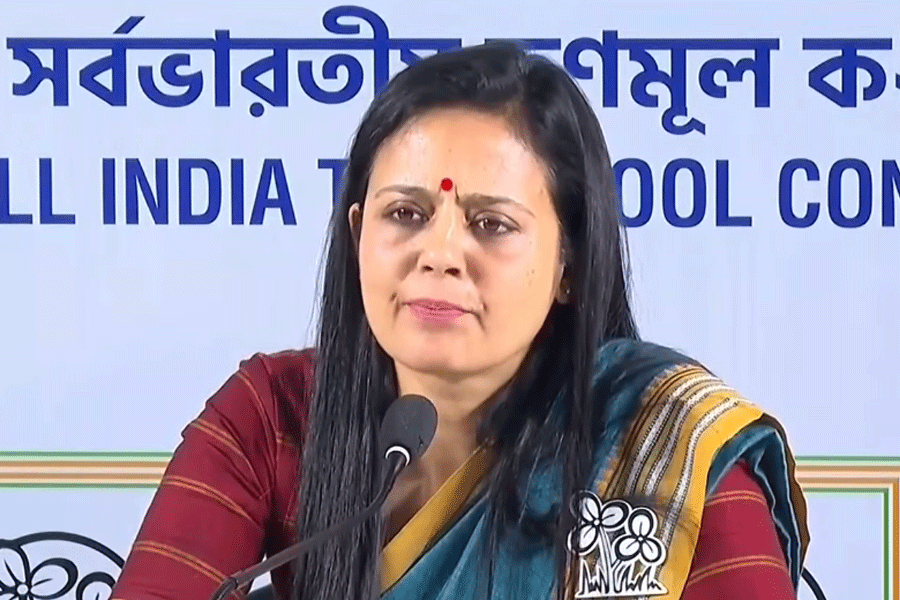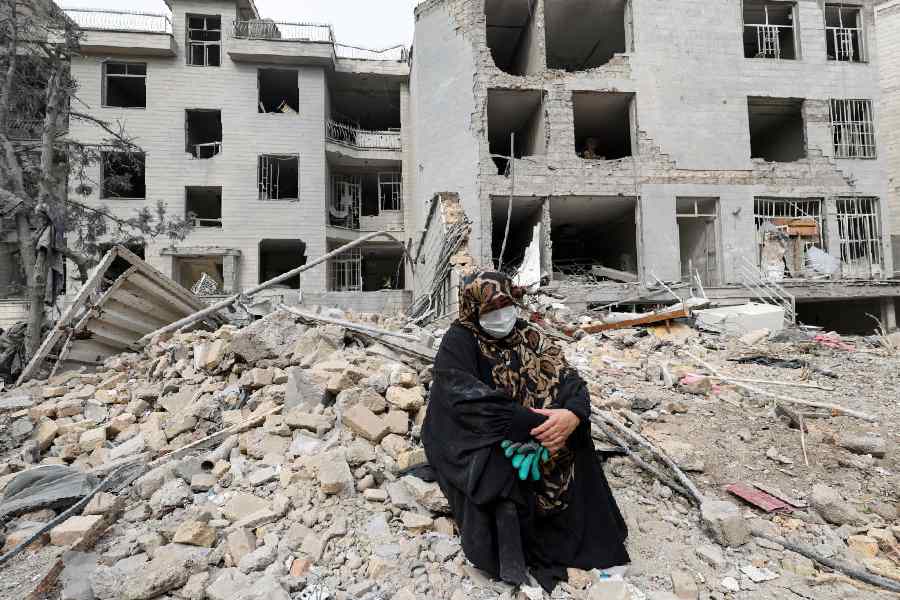
The raging war in West Asia is destabilising the entire world. In these times of uncertainty, every country is carefully configuring its response; one that is determined by its influence on global affairs and its own economic needs. India, too, is struggling to achieve this balance. Former diplomats and commentators have been arguing about what our ideal response should be keeping in mind our historical relationship with the region, current domestic economic requirements, and possible global scenarios. All this is mind-boggling, and I don’t claim to understand the modulations of geopolitics. Yet, some fundamental human questions that may even seem naive continue to bother me.
Amidst all this tactical manoeuvring and stagecraft, where does empathy lie? Watching the responses from various nation-states, including our own, it seems as if emotions such as deep sorrow and despair do not have space in geopolitical discourse. These qualities may even be regarded as signs of weakness, and concern is probably reserved only for private laments. When world leaders speak or tweet about the loss of life, they sound synthetic and mechanical. There is hardly any remorse or genuine expression of helplessness in their words. They are just playing their part in the diplomatic theatre, ensuring that all sides are kept relatively happy. When death and destruction are so palpable, banal statements asking for the end of the conflict, the need to return to the negotiating table, and demands for peace ring hollow. Prime ministers and presidents are viewing the same images and videos that we are watching. I would like to believe that they too are deeply disturbed, or is the global moral compass so skewed that they have lost feeling? Naysayers will point to the fact that this is not new; heads of States, ministers and diplomats have always responded selectively and executed a juggling act, ensuring that they maintain a safe distance between their role in the government and the human side of their being. We are told this is how nations need to respond. Leaders do not have the luxury to behave like common people!
Something else is also at play here: a human metamorphosis that is not limited to those representing nation-states — the institutionalisation of human beings. In all forms of organisations, be it governments or corporations, cultural indoctrination is common. Often done subtly, it results in individuals being trained to leave themselves behind. I am not referring to work-related abilities or what they bring to the table for the institution’s benefit. These include qualities such as creativity, diligence and work ethic. I speak of their sensitivities with regard to the human condition. The argument supporting this practice is that if every individual brings these values to an organisation, each one will pull in a different direction, leading to the organisation’s complete collapse. Human beings are also complex entities who have their personal likes and dislikes, and each one serves his/her family institution. The fear that individual selfishness will override organisational benefits is also portrayed as a danger.
But the problem is not that fulfilment of a common goal is given primacy because any collective endeavour requires some extent of individual sacrifice. The issue is that every individual is expected to discard unfettered care for the people and the natural world and embrace a narrow point of view that is only concerned with institutional benefit. In this alignment, the effect of institutional actions on larger society becomes secondary or irrelevant. In order to keep this system in place, individuals are incentivised to maximise institutional gain. Members of governments may argue that the reason they play it safe is to ensure that the needs of their citizens are met. However, this is often an unconvincing claim. Those in power take ideological positions and ignore death and destruction but shroud them in a cloak of well-being for citizens.
Human beings live dual lives. In one, they remain real and, in another, they become the institution, whether a government or a corporation. Over time, the institution swallows whatever is left of them and they become mere reflections of the institutions even in their private life. This subservience of individual ethicality starts in our homes, schools, and colleges. It is a form of behavioural training that becomes second nature by the time we are adults. At home, we are taught about our great tradition of questioning. Yet, we are trained to abide by and propagate various socio-political institutions such as religion, caste, and patriarchy. We are coached to behave as representatives of these groups. Lofty ideals are passed on within classrooms but once students leave that space, they are expected to adhere to parochial norms and conditions that educational institutions wear as a badge of honour. Even within so-called liberal institutions, we find a very similar pattern. Justice is taught in classrooms but rarely seen in the way the administration treats issues relating to liberty and freedom.
We urgently need individuals in governments and private institutions who hold on to the ideas of the greater good and compassion. For this to happen, the nature of institutional power has to shift. The fear that chaos will rule without enforced order cannot be accepted. To remain human and to love unconditionally are not weaknesses; neither will they lead to failure. Instead, they will change the way we govern and measure success. These qualities are kept out of institutional functioning because they will check all forms of greed — power, material, financial, and relational. Avarice, which provides justification for all amoral decisions and positions taken by governments and institutions across the world, will be challenged. If we somehow change this framework and simultaneously nurture and retain thoughtfulness, governments will not perpetually be making deals. They will begin seeing each other’s people as fellow human beings.
Readers may find this column utopian. But if we want to escape the perpetual trap laid out by violence and deception, we need to imagine the unthinkable and explore the improbable. Governments cannot ignore inhumanity claiming neutrality and individuals have to be freed from institutionalised herd mentality.
T.M. Krishna is a leading Indian musician and a prominent public intellectual