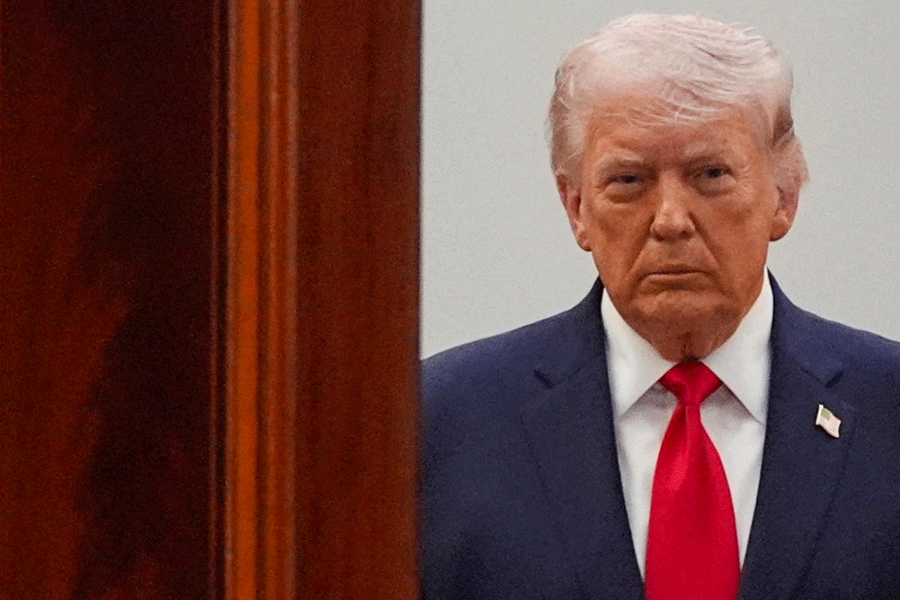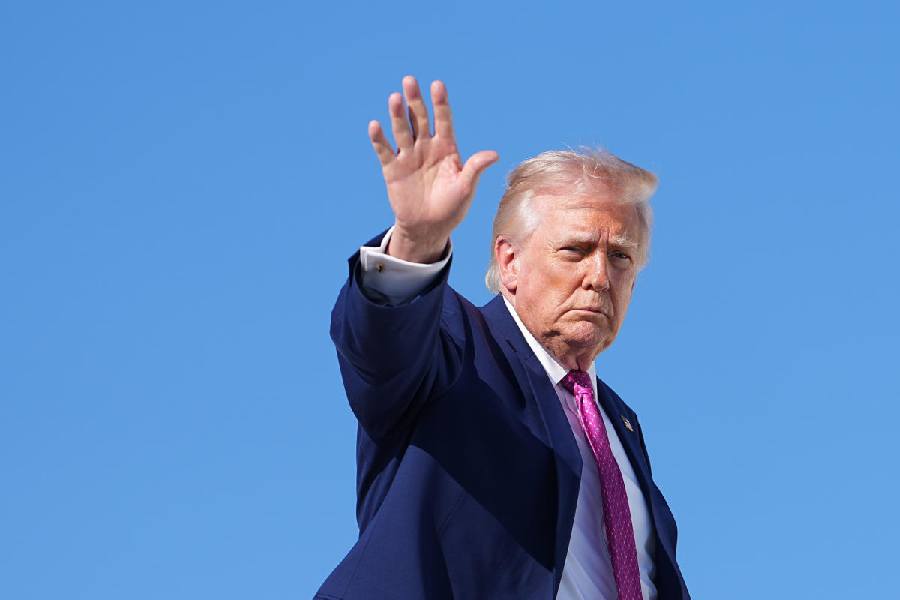
Is the Washington Hilton, the cynic will muse, a secure refuge for presidents of the United States of America? Over 40 years ago, the former president, Ronald Reagan, had been injured in an attack as he was stepping out of this hotel. Now, Donald Trump has been targeted during the White House correspondents’ dinner at the same premises — thankfully, the president did not suffer a scratch. The assailant, Cole Tomas Allen, who, allegedly, has no love lost for Mr Trump, is in custody. But that does not erase questions about security protocols. Mr Trump has survived three attempts on him in recent times. Democrats and Republicans — Melissa Hortman and Charlie Kirk, respectively, to cite two examples — have lost lives in violence. The king of England is on a visit to the US, and slip-ups of any sort may have serious consequences. A relevant issue must not be brushed under the carpet either — gun violence in the US. In a nation where there are an estimated 120 firearms for every 100 residents, research suggests that many purchasers endorse violence as a form of political retribution. Ironically,
Mr Trump, despite his brushes with danger, has done nothing to curb gun violence, choosing instead to attack and dilute policies aimed at containing this malaise.
There is a larger question that merits attention. Violence — the US’s armed interventions in other countries — has become synonymous with Mr Trump’s current presidential term. But there is a domestic dimension to this burgeoning legacy of violence. Mr Trump is perhaps the most polarising American president in recent times. He has weaponised the ethics of polarisation as a potent electoral weapon: his frequent inflammatory remarks, attacks on institutions, lampooning of opponents and unleashing of armed personnel in rival states bear testimony to this fact. Worryingly, there seems to be a mobilisation against Mr Trump that is eager to speak in the language of violence. This is a portentous development. Violence and retribution have no place in a democracy. The discourse of civility cannot be allowed to get fragmented. For that to happen, the American polity must desist from fattening itself on animosity. Change then must begin with the architects of such toxic regimes — Mr Trump should count himself among them.