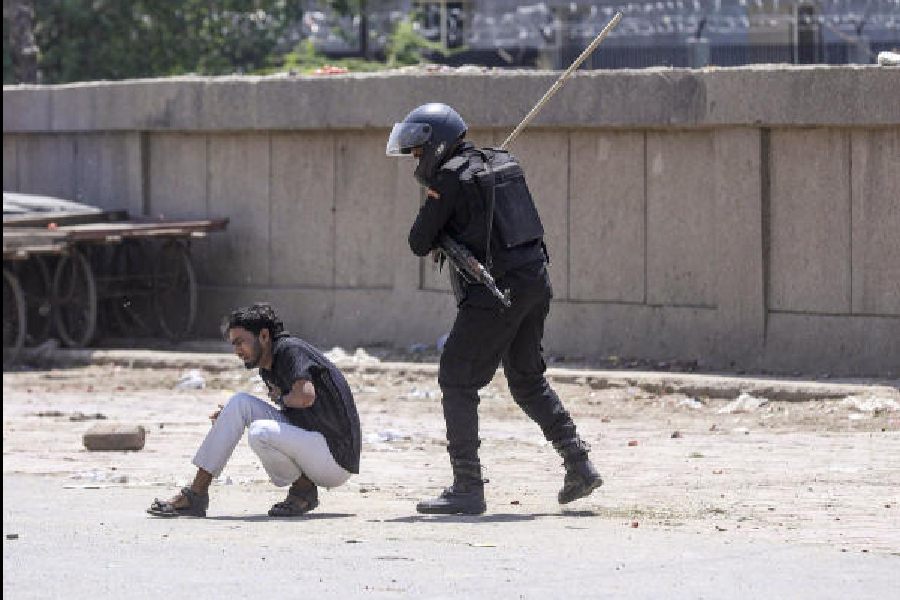
The protests by thousands of factory workers in Noida have been prompted by a widening gap between wages and living costs. Workers in the National Capital Region receive monthly earnings between Rs 11,000 and Rs 13,000 for shifts extending up to 12 hours, often with delayed payments and unpaid overtime. Their demand for a Rs 20,000 minimum wage arose in the context of rising rents, inflated food prices, and acute shortages of essential goods like LPG cylinders. Between February 2021 and February 2026, inflation for industrial workers in the Delhi-NCR region rose by almost 27.4%, while minimum wage increases lagged behind at around 15-20%. Some state governments have hiked the wages of unskilled workers after the protests began — Uttar Pradesh by 21% and Haryana by 35%. This only amounted to about Rs 15,220 in Haryana and Rs 13,690 in Uttar Pradesh, well below subsistence rates demanded by workers. Police action amplified the anger further.
Such outbursts are by no means uncommon. These periodic demonstrations raise questions about the newly-implemented labour codes that have been characterised by weak enforcement, narrowed coverage, and restrictions on collective bargaining. For instance, these laws raised the thresholds of the size of the establishments to which the codes apply, excluding large sections of workers employed in small establishments or under contractual arrangements from statutory protection. Furthermore, stringent conditions on trade union formation and extended strike notice requirements limit workers’ ability to negotiate wages and working conditions. Enforcement mechanisms, too, have been diluted through self-certification and reduced penalties for violations, undermining compliance with minimum wage provisions. The labour codes have also been criticised for privileging employer flexibility over workers’ rights and for diminishing constitutionally-guaranteed labour rights. Effective reform requires a statutory, inflation-linked minimum wage calibrated to regional costs, not to mention regular revisions of the base wage component. Expansion of social security coverage, formal recognition of contractual and gig workers, and preservation of collective bargaining rights are necessary too. Otherwise, labour welfare policy will remain disconnected from material conditions that have driven the workers to the streets.