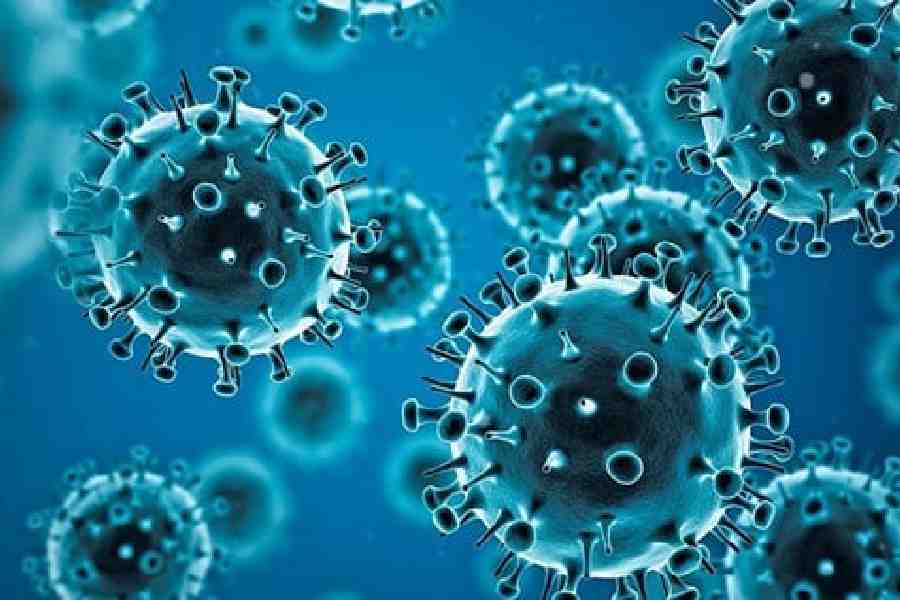
The World Health Organization’s estimate that Covid-19 was linked to 22.1 million excess deaths between 2020 and 2023 is a devastating assessment of a global public health failure. The figure — more than three times the officially reported death toll — includes deaths caused directly by the virus as well as those resulting from disrupted healthcare, delayed treatment and collapsing public services. The pandemic erased years of gains in life expectancy, devastated economies and exposed the structural weakness of health systems across wealthy and developing countries. Inadequate hospital capacity, weak surveillance systems, fragmented medicine supply chains and insufficient emergency planning demonstrated that healthcare systems built around routine demand cannot withstand prolonged crises without sustained investment and dedicated emergency planning.
Worse, scientific evidence increasingly suggests that pandemics are likely to become more frequent. A 2022 study warned that the probability of pandemics comparable to Covid-19 has sharply increased because of deforestation, climate change, urbanisation and intensified human-animal interaction. Research also shows that illegal wildlife trade and live-animal markets significantly increase the chances of zoonotic transmissions. Pandemic preparedness, thus, cannot remain confined to vaccines and emergency hospital expansion. It requires regulation of wildlife trade, environmental surveillance and stronger biosafety systems. Public health strategies that ignore ecological disruption will continue to confront outbreaks after transmission has already accelerated.
India’s experience with Covid-19 exposed how healthcare fragility and economic inequality can rapidly deepen a national emergency. The second wave in 2021 revealed severe shortages of oxygen, intensive care beds, medicines and trained personnel, among other challenges. Hospitals collapsed under pressure while mortality data remained inconsistent and delayed. The crisis was preceded by the nationwide lockdown of 2020, which triggered one of the largest internal migrations since Partition. Millions of migrant workers were stranded without transport, wages, food security or healthcare access. Reports by the International Labour Organization documented severe distress among informal workers, many of whom died from exhaustion, untreated illness and deprivation rather than infection itself. Pandemic management that excludes labour protections and social security, the Covid crisis revealed, cannot protect public health.
India has since expanded genomic surveillance and digital health infrastructure. Yet critical weaknesses remain unresolved — public health expenditure is still inadequate, primary healthcare systems remain uneven and disease surveillance data lack transparency. The WHO has warned that progress towards universal health coverage has sharply slowed globally, while health financing remains fragile. Pandemic preparedness requires permanent investment in healthcare capacity, epidemiological research, worker protections and integrated environmental monitoring. Yet, governments continue to treat preparedness as an episodic emergency measure even though the next pandemic is not a speculative threat. Scientific evidence increasingly suggests that it is an approaching certainty. Are India and the world ready?