The Union budget saw the Centre announce several measures to bolster the pharmaceutical sector. While innovation and infrastructure received a sustained push, rising healthcare costs continue to remain a worry for ordinary citizens. This brings us to the issue of generic medicines and the hurdles preventing their mass adoption.
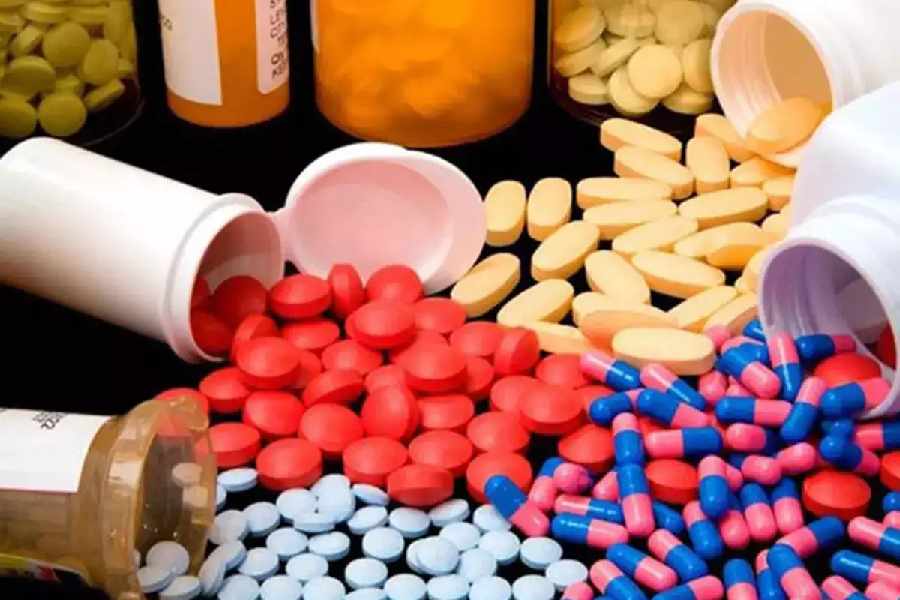
Generic medicines refer to drugs that are pharmaceutically equivalent to an innovator/branded product in terms of the active pharmaceutical ingredient, dosage form, strength and route of administration, and therapeutic effect. Bioequivalence and clinical studies comparing the quality, safety, and efficacy between generic and branded products performed in different contexts for drugs such as Pazopanib, Cephalosporins, Candesartan cilexetil, Alprazolam, Cetirizine, Ciprofloxacin and Lansoprazole have consistently affirmed the quality of generics.
India’s flagship generic medicines scheme, the Pradhan Mantri Bhartiya Janaushadhi Pariyojana, ensures stringent quality control procedures. This includes procurement from WHO’s Good Manufacturing Practices, FSSAI and CE certified suppliers, mandating manufacturers to produce a batch-wise Certificate of Analysis, a two-tier quality assurance mechanism at NABL-accredited laboratories, and compulsory additional tests for hardness, leaks and stability. Post-marketing surveillance is also performed through random sample testing from Jan Aushadhi Kendras at NABL-accredited laboratories to detect Not of Standard Quality products.
Generic medicines present an opportunity to mitigate healthcare costs by offering cheaper alternatives with the same therapeutic effect as branded products. This is significant because the National Health Accounts estimates for India 2021-22 reported the per capita out of pocket expenditures at current prices to be Rs 2,600 in 2021-22, a steady rise from Rs 2,097 in 2017-18. According to NSSO (75th round), medicines constitute roughly 70% of total OOPE for non-hospitalised treatment.
But challenges abound.
A key hurdle to the adoption of generic medicines is Rule 65(11)(a) of the Drugs and Cosmetics Rules, 1945 which prohibits pharmacists from substituting a prescribed brand-name drug with a generic equivalent. This is compounded by low level awareness of the people when it comes to generic medicines and irregularities in the availability of drugs in Jan Aushadhi Kendras. A PGIMER, Chandigarh study underscored that 54.8% of OPD and 49.7% of IPD patients were unaware of the PMBJP; patients were also forced to buy from private pharmacies because of medicine being unavailable in Jan Aushadhi Kendras.
Another major hindrance to the mass adoption of generics comes from doctors’ opposition: the study showed that on average, OPD patients were prescribed 4.85 medicines, of which only 30.5% were generic, indicating doctors were still in favour of branded medicines. The strong disapproval from doctors’ quarters has also resulted in either poor adoption of regulatory mandates, such as in the Medical Council of India circular amending the Indian Medical Council (Professional Conduct, Etiquette and Ethics) regulations of 2002, or the lack of implementation of regulations like the National Medical Commission’s modification of the Registered Medical Practitioner (Professional Conduct) Regulations, 2023. Generics remain negatively perceived also because of aggressive marketing practices of brands by pharmaceutical companies and poor accessibility to Jan Aushadhi Kendras.
Enabling wider adoption of generic medicines demands three broad pillars of reform: changing the prescription habits of doctors, empowering the substitution authority of pharmacists, and addressing the fragile trust among patients. Successful reforms would ensure that India’s vulnerable sections get access to quality medicines at affordable prices.