Bhubaneswar, March 16: The Unicef’s flagship publication, ‘The State of the World’s Children’, was released in the capital today. Every year the report closely examines a key issue affecting children across the world. The theme of this year’s study is “Adolescence: An Age of Opportunity”.
The report revealed that, in Orissa, girls still lagged behind boys in secondary school participation. The study also revealed that over 37 per cent women in the state get married before 18 and over 13 per cent men get married before 21.
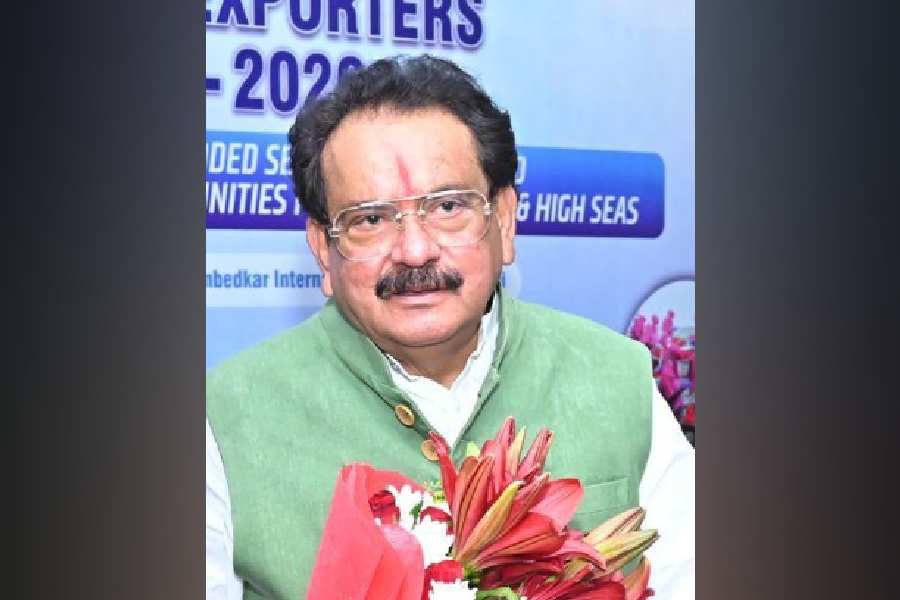
Releasing the report, governor M.C. Bhandare said: “Adolescence is a pivot point. The focus should be on reaching adolescents, especially girls, investing in education, health and other measures to engage them in the process of improving their own lives.”
Sahirose Mawji, the state head of Unicef, said: “Poor adolescent girls are three times more likely to be married off before the age of 18 than their peers in urban households. Girls who marry early run the risk of being caught in a negative cycle of premature child bearing, high rate of maternal mortality and child under nutrition. Girls also experience higher rates of domestic and sexual violence than boys, and are more susceptible to the risk of HIV infections.”
In the rural part of the state, girls are less likely to attend school than boys and this gap increases with age. Between the ages of six and 10, 86 per cent boys and 82 per cent girls attended school, but between 15 and 17 years, only 32 per cent boys and 13 per cent girls continued their education.
Similarly, only about 73 per cent of the state’s adolescents and youths between 15 and 24 years have heard about AIDS while only 25 per cent men and 11 per cent women had the correct comprehensive knowledge of HIV and AIDS.
“Orissa is a vulnerable state and therefore proper awareness of HIV and AIDS is the key to prevent the onslaught of the disease. Without education, adolescent boys and girls cannot develop the knowledge and skills they need to combat the risks of exploitation, abuse and violence,” Sahirose said.
The state has about 79 lakh adolescents, who represent over 19 per cent of the state’s population. Majority of these adolescents (around 67 lakh) live in rural areas.