Monday, 08 June 2026
Monday, 08 June 2026
Monday, 08 June 2026
The Yamuna River, which supplies nearly 70 percent of the capital’s water needs, has been at the center of political debate and environmental concern in Delhi, because vast stretches of the river remain polluted.
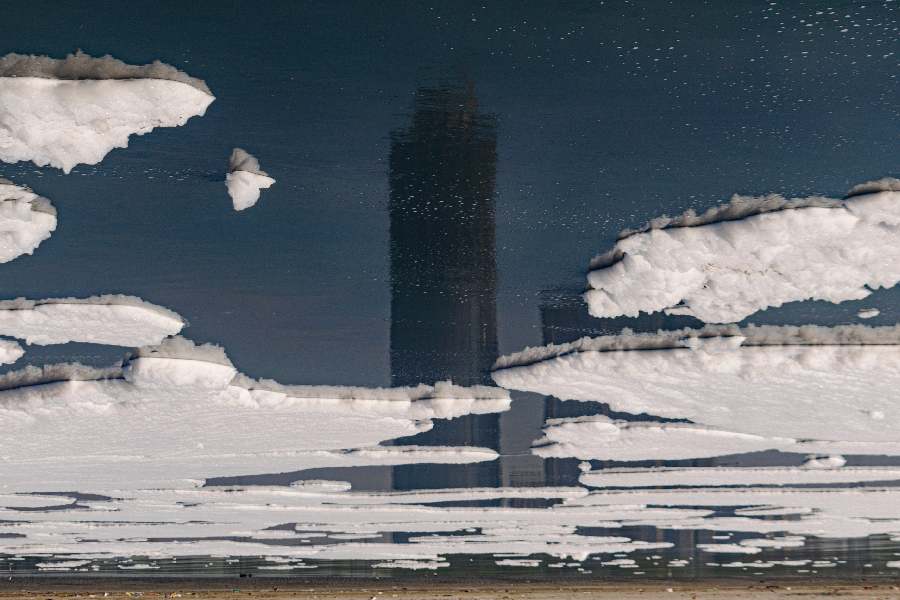
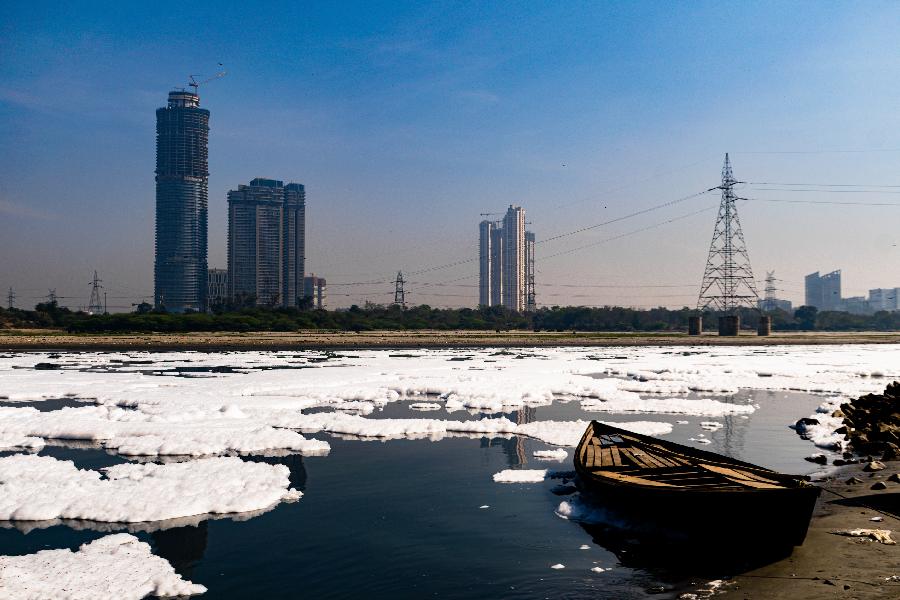
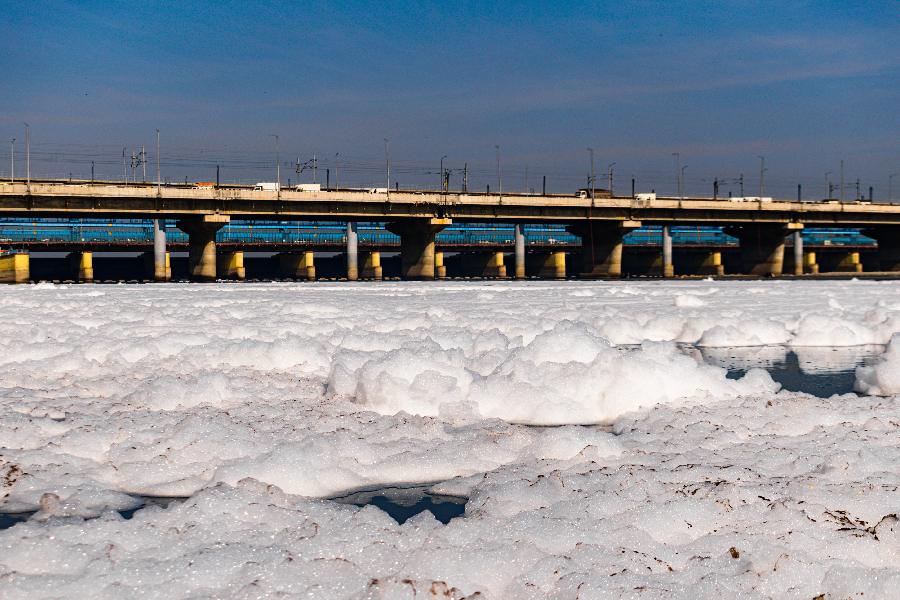
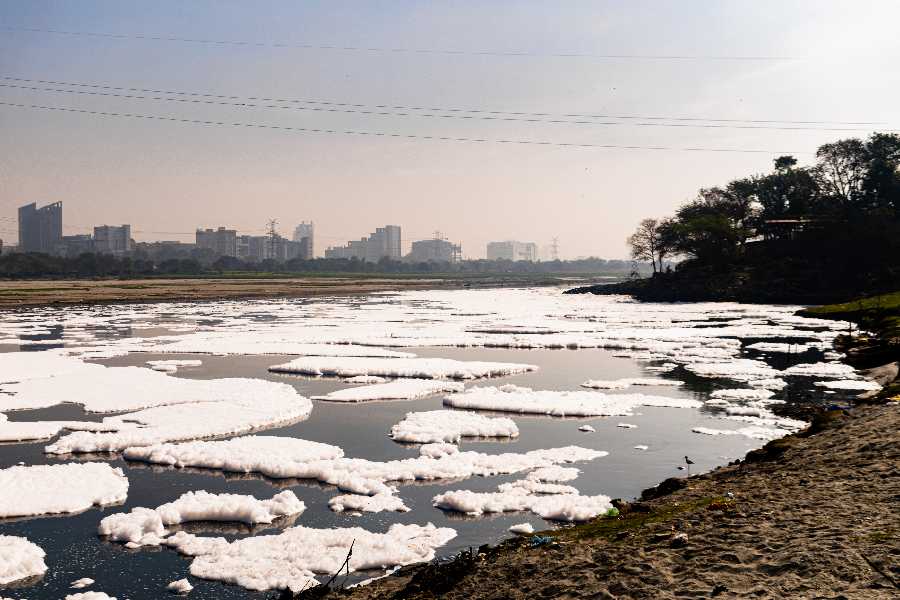
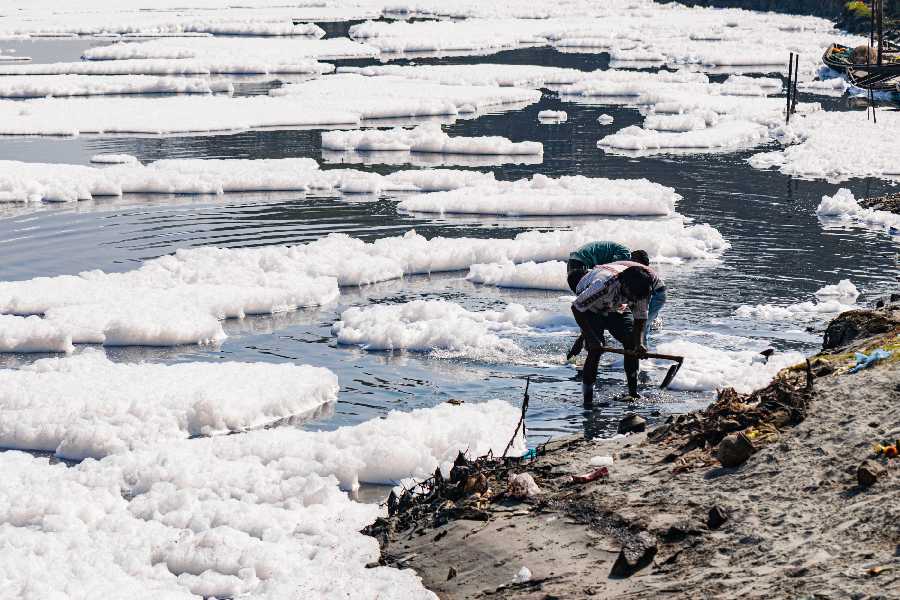
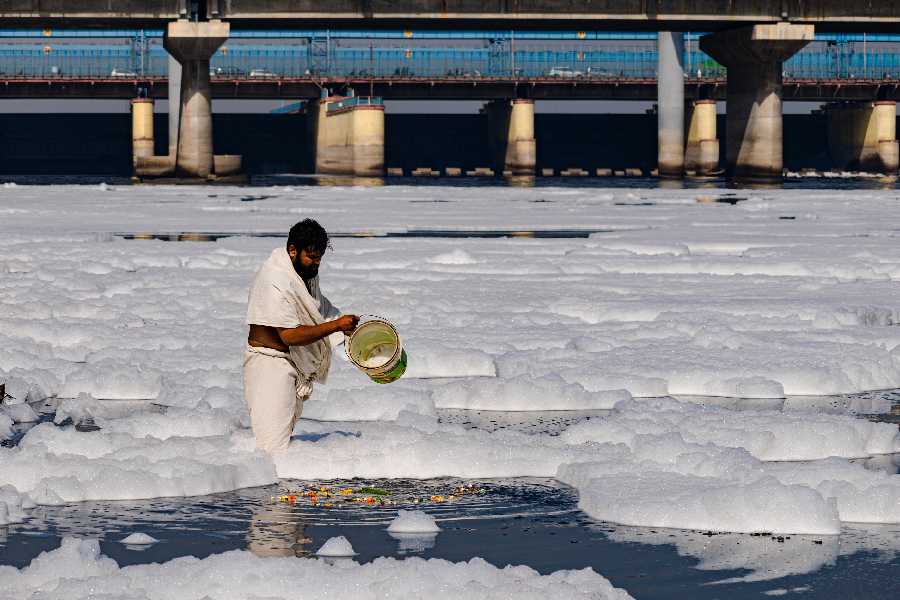
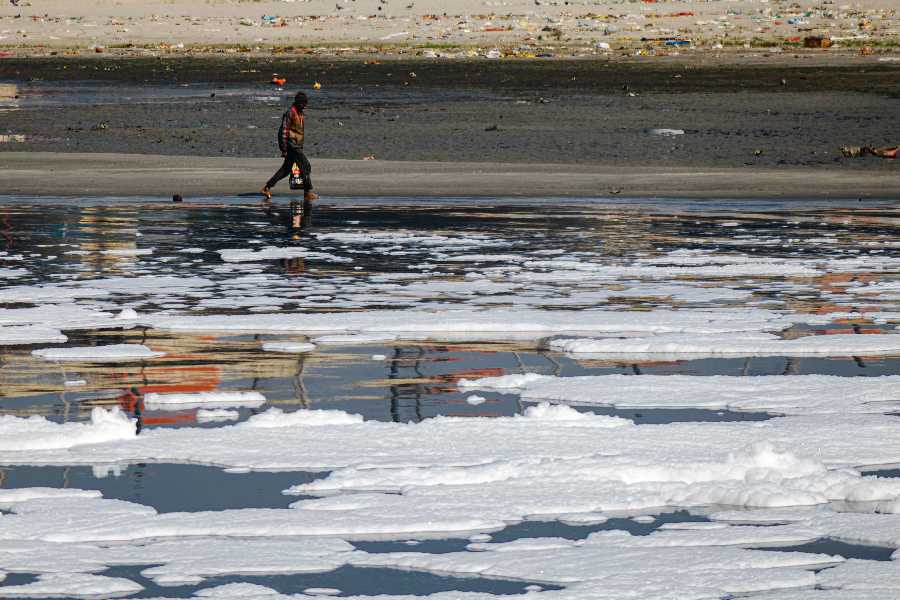
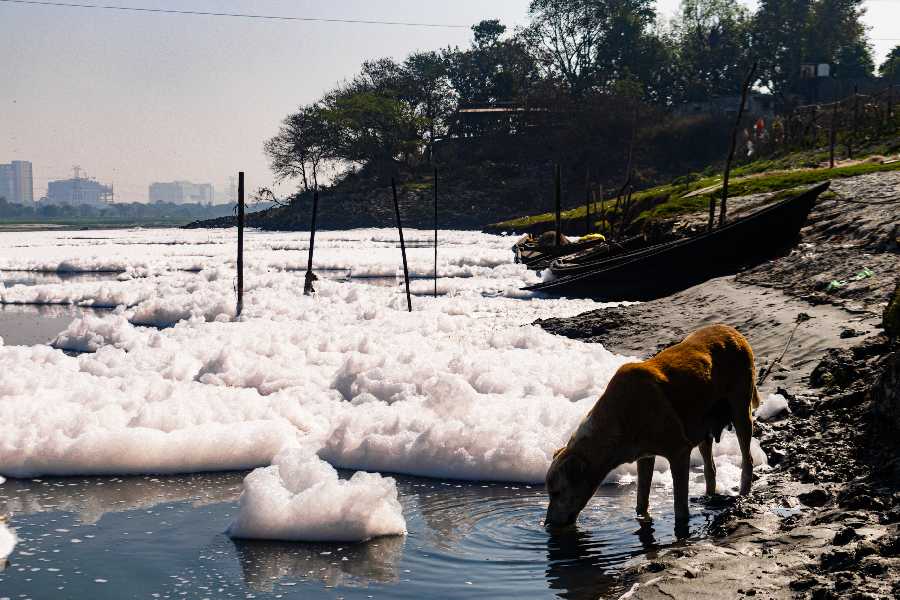
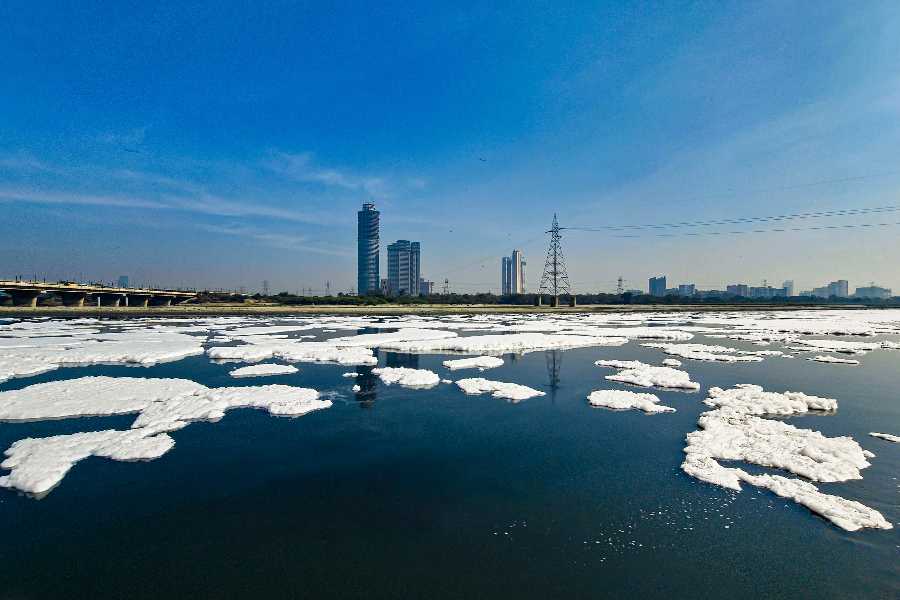
Even today, toxic white foam continues to blanket the river between Wazirabad and Okhla, a sight that has become common. The urban waste generation has also risen, turning the seasonal frothing into a recurring crisis as the city’s population increased.
Environmental experts point to a toxic mix of untreated sewage, industrial discharge, phosphates, and ammonia entering the river through dozens of drains connected to factories and dense residential clusters, particularly across central and eastern Delhi.
During low water flow, especially after the monsoon season, these pollutants accumulate and interact chemically with organic matter, creating thick, persistent foam.
This cycle has repeated for years and has intensified in recent months, reinforcing fears that the river’s natural recovery capacity has weakened.
The chemical buildup reduces dissolved oxygen levels, suffocating aquatic ecosystems. Fish deaths have become common, pushing the Yamuna in parts towards what scientists call an “ecologically dead” state.
This collapse of aquatic life has impacted communities that depend on the river for survival.
Beyond environmental damage, health risks have risen. Regular exposure to polluted foam has been linked to skin infections, respiratory illnesses, and other long-term health complications among people living along the riverbanks.
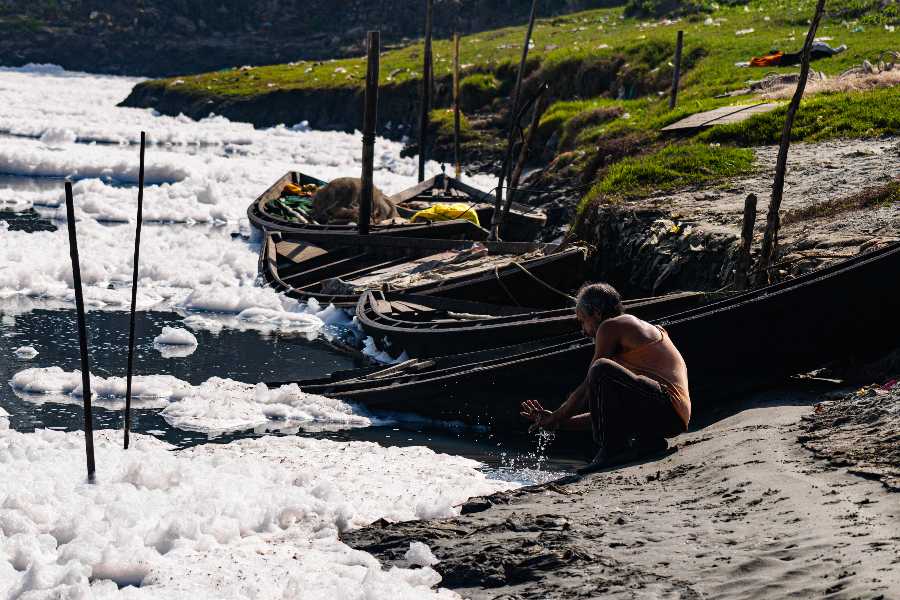
For fishermen like Lakhinder Sahni, the crisis is personal.
The 60-year-old has spent nearly a year living and working along the Yamuna’s edge. “The foam won't stop. They have spent crores to stop it, but it didn't stop,” he told The Telegraph Online.
With fish populations largely wiped out, Sahni’s livelihood now depends on seasonal recovery during the monsoon, when freshwater inflow temporarily improves conditions and allows fish breeding to resume.
He avoids bathing or washing in the river and instead buys water from nearby shops. Yet leaving is not an option. Fishing remains his only source of income.
The foam crisis is closely tied to complex political and administrative challenges.
Responsibility for the Yamuna is divided among central agencies, state authorities, municipal corporations, and environmental regulators. Over the decades, multiple cleanup plans have been announced, including sewage treatment expansion, river surface cleaning operations, and pollution monitoring programmes.
Implementation has remained inconsistent. Residents often observe that even when the river appears cleaner during festivals or post-cleanup drives, pollution and foam return within weeks, exposing the temporary nature of many interventions.
Comparisons with Bengaluru offer insight into possible solutions.
When toxic foam crises emerged in lakes such as Bellandur and Varthur, authorities focused on long-term structural fixes, like upgrading wastewater treatment plants, removing toxic sludge through desilting drives, installing containment barriers, and launching public awareness campaigns to reduce detergent and chemical pollution at the source.
These measures showed measurable improvement.
In Delhi, while authorities have identified pollution hotspots and attempted measures such as mechanical foam breaking using boats, results have been limited.
Local communities widely believe that unless major drains, including heavily polluted ones feeding into the river, are thoroughly cleaned and industrial waste discharge is strictly controlled, the foam will continue to form.
The Yamuna foam crisis remains unresolved. Fundamental issues like untreated sewage inflow, unchecked discharge, weak regulatory enforcement, and erosion of political will continue to undermine progress.
While new committees, monitoring systems, and treatment plant announcements continue, the gap between policy planning and on-ground execution persists.
The recurring foam is now more than an environmental issue; it is a symbol of systemic urban pollution challenges.
The Yamuna’s condition serves as a warning about the cost of unchecked urbanisation and industrial waste. Restoring the river is essential not only for environmental sustainability but also for protecting public health, preserving biodiversity, and safeguarding the cultural and spiritual traditions that have been tied to the Yamuna for centuries.