|
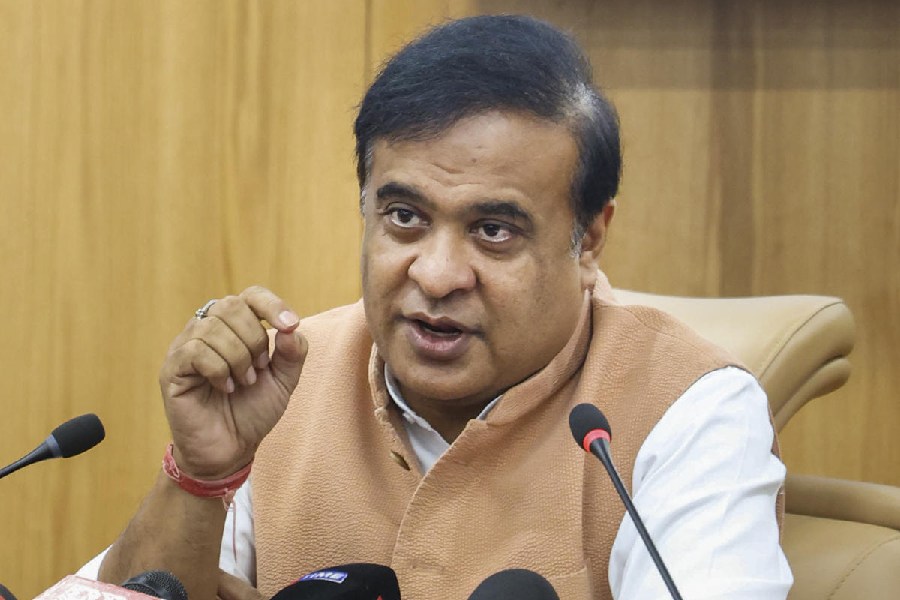
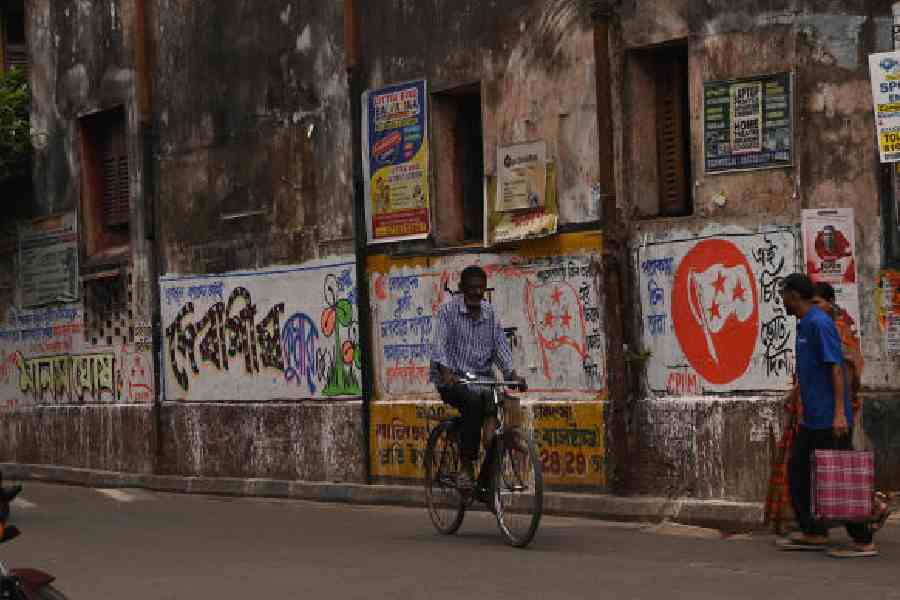
| Customers at an Omfed kiosk in Bhubaneswar. Picture by Ashwinee Pati |
Bhubaneswar, Jan. 31: Your daily glass of milk is set to cost you more, yet again.
Odisha State Cooperative Milk Producers Federation Limited (Omfed) has decided to raise the price of toned milk and double toned milk by Rs 2 a litre barely four months after an increase in milk prices.
The new prices will come into effect from February 4. Omfed had hiked milk prices from September 23 last year. The price of a litre of toned milk will now be Rs 28, while that of double toned milk, Rs 26.
Sources in Omfed said they had hiked the price to benefit milk farmers in the state. “The decision has been taken to benefit milk farmers, who have been demanding a better procurement price for milk. With the revised rates, a farmer will get a price of Rs 20.50 for one litre of milk instead of Rs 18.50 depending upon the quality of milk,” said public relations officer of Omfed Subash Tripathy. The retailers are being paid 90 paise for selling one litre of milk whereas another five paise is contributed for their insurance cover.
“Consumers will have to but milk at the new rates instead of the ones printed till the old polythene packets lying with Omfed are exhausted,” said an Omfed official. However, he said the polythene stock would be exhausted in two months.
In the past four years, this is the fourth time Omfed has hiked milk prices in the state. Consumers expressed dissatisfaction over the price hike. “The ever increasing prices of petroleum products including cooking gas have already put a burden on the public. This has been the fourth price revision of Omfed in past four years, which will definitely put extra pressure on the middle classes,” said Sarojini Sahoo, a homemaker.
However, chairman-cum-managing director of Omfed Saswat Mishra said the price of the milk was lowest as compared to milk prices in other states. “The price rise will definitely benefit rural farmers as the expenditures involved in cow farming have increased. The price rise will not affect the consumers as most them are above poverty line,” said Mishra.