
Cuttack, April 6: The state CID's crime branch plans to check criminal activities on the Internet by setting up a dedicated desk to keep tabs on social media.
Special director-general of police (crime branch) B.K. Sharma told The Telegraph that according to the Centre's instructions, the special desk would be set up at the city's existing cyber police station.
"We do not want to curb individual freedom of expression on social networking sites. Our focus, through the special desk, will be to monitor the posts that have implications on the state's law and order situation," said Sharma.
Sharma said the special desk would come up by the end of this year. He said a team of senior officers at the cyber police station would review the posts coming up through various social media at regular intervals.
The desk will be useful in monitoring religious hatred and other forms of organised crime, including drug and child trafficking. He mentioned that only Mumbai police had a dedicated cyber desk to monitor posts and other incriminating materials on the social networking websites in the country.
Sources said it was practically impossible to keep tabs on all the contents posted on social media from Odisha or anywhere in the country. However, a dedicated team will be formed to pierce through the existing groups to collect information and details about any derogatory remarks or posts through their own intelligence network.
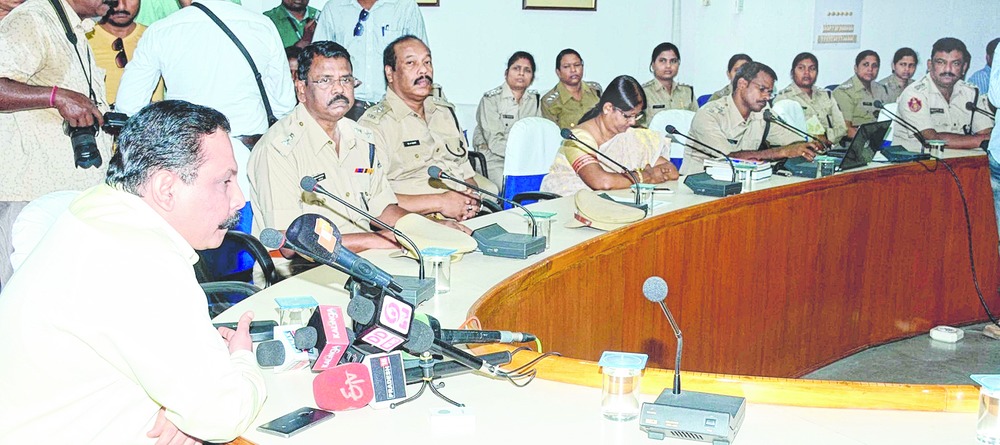
Sharma spoke to The Telegraph on the sidelines of a one-day training programme for police personnel from various districts on the emerging trends in cyber crime here today. Over 80 police personnel attended the programme that focused on training personnel and also registration of cyber crime cases at police station levels in the state.
The police have been criticised for lacking the necessary "technical skills and expertise" to investigate hi-tech crime. The workshop aimed to upgrade skills of the existing personnel to shed that tag, a senior official said.
A crime branch official said there was already a positive impact of such training programmes. The number of cases related to cyber crime registered at various police stations in the state crossed 400 in 2015.
The training programme was organised to ensure that victims of cyber crimes, mostly ATM, credit card and other financial frauds, did not face problems in registering complaints in their respective districts.
"This year's programme exclusively dealt with proper retrieving and packaging of electronic data or evidences that form the basis of the investigation in cyber crime cases," Sharma said.
Deputy director of the Central Forensic Investigation of Crime and Scientific Services K.B. Jena said cyber crime was not confined to metropolitan cities. Hundreds of people in remote villages and cities across the country were victims of hi-tech crimes.
"Rampant use of mobile phones have provided criminals a scope to commit various crimes, including the online frauds, which have emerged as a major concern. Lack of adequate training and awareness is to be blamed for the rise of cyber crime," said Jena.