|
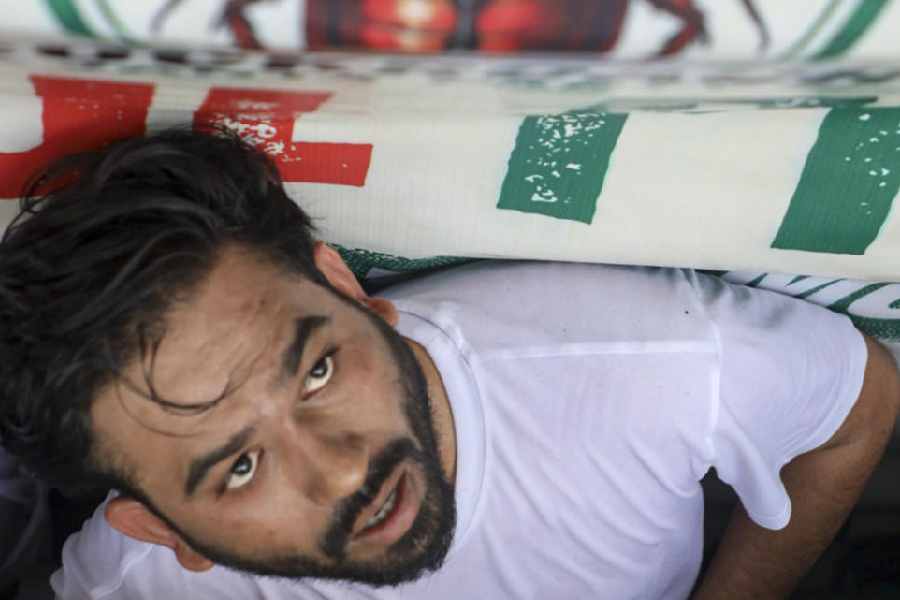
| Chetia coming out of court on Tuesday (AFP) |
Dhaka, Sept. 24: A Dhaka court today sentenced Ulfa leader Anup Chetia and two other militants to seven years in jail for illegal possession of a satellite telephone during their illegal stay in Bangladesh.
This was the last of the four charges for which Chetia and his two comrades have stood trial in Bangladesh since their arrest from a Dhaka house in December 1997. Chetia looked unmoved when assistant metropolitan judge Abu Sayed Diljar handed down the sentence to the Ulfa leader and two other rebels, Babul Sharma and Laxmi Prosad Goswami. They were also fined 10,000 takas each.
When he was leaving the court under heavy police escort, Chetia told newsmen he would appeal in the higher court. During the trial Chetia had claimed he was innocent. However, he has sought political asylum in Bangladesh.
The three Ulfa militants were earlier found guilty on their other charges of illegal crossing into Bangladesh, unauthorised stay in Bangladesh and illegal possession of foreign currency. They were sentenced to a total of 11 years each in these three cases. All the sentences will run concurrently. The latest sentence is effective from the day the three were arrested.
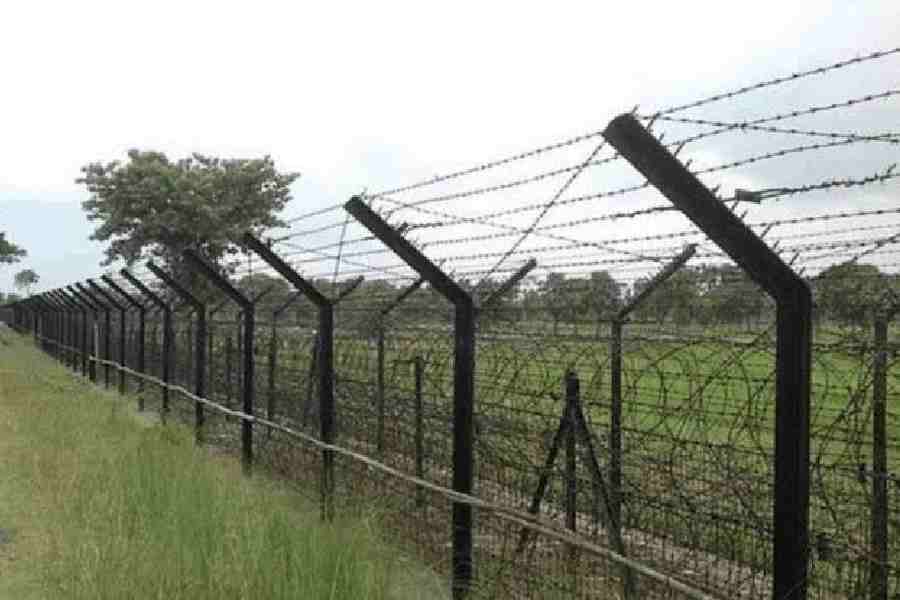
The Assam government has often blamed Bangladesh for harbouring tribal insurgents, but Dhaka has denied the charge and has promised not to shelter separatist rebels from India.
On Tuesday, judge Syed Diljar Hossain handed Chetia and his two companions the maximum sentence of seven years and a fine of 10,000 takas ($175) for illegally possessing a satellite telephone. Owing to security concerns, using or owning satellite phones is not permitted in Bangladesh and can only be used by security forces.
Chetia has sought political asylum in Bangladesh, a plea on which Dhaka is yet to take a decision. The previous Awami League government had rejected his appeal for asylum.
However, the “anti-India” stand of Khaleda Zia’s Bangladesh Nationalist Party is seen as a boost to the Northeast insurgents operating from there.
However, the “anti-India” stand of Khaleda Zia’s Bangladesh Nationalist Party is seen as a boost to the Northeast insurgents operating from that country.
Though security officials were not willing to go on record with their apprehensions, they admitted on condition of anonymity that the close rapport the Ulfa leadership enjoys with Begum Zia may give the outfit the much-needed impetus. The BNP has, from time to time, openly supported the Ulfa’s cause.
With the Bhutan government turning on the heat on the Ulfa to dismantle its camps set up in the jungles of the Himalayan kingdom, Bangladesh is the natural alternative for the militant outfit.
According to intelligence sources, during the previous BNP rule from 1991-96, the Ulfa had established an intricate network in the country — starting from business establishments and training camps to channels for arms procurement. In November 1991, security forces had launched operations against the Ulfa in Assam, forcing the rebel leaders to move to the neighbouring country.