
Jorhat, June 29: The uniqueness of Assam tea, its position in India and the world, and the traditional handmade teas of Assam will be highlighted at the annual conference of the Federation of Korea Tea Masters Society (FKTMS), scheduled to be held at Gyeongju city in South Korea in August.
FKTMS is the mother organisation of the Korea International Tea Research Institute (KITRI).
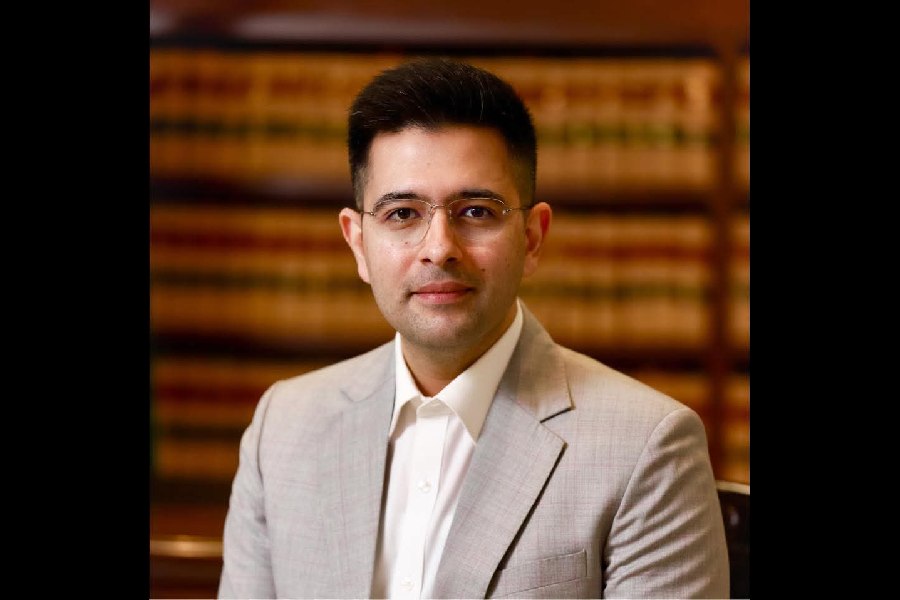
Pradip Baruah, renowned tea scientist and senior principal scientist of Tocklai Tea Research Institute here, has been invited by the FKTMS to share the common interest on tea among tea lovers and experts of Korea.
The presentation by Baruah on History of Indian Tea and Development of Indian Tea through the Eyes of Assam will be translated into Korean and published in a book form.
Baruah told The Telegraph that it was a big honour for not only him but also the tea industry in Assam as the various aspects of Assam tea would be highlighted in his presentation.
"It will not only help to popularise Indian tea, particularly Assam tea, but would also help in joint research among the Southeast Asian countries for development of tea," the Tocklai scientist said.
Baruah, known nationally and internationally in the field of tea, has been working with the Tea Research Association (TRA) for about 24 years.
He is the author of four books, the important ones being The Tea Industry of Assam: Origin and Development, the first and only comprehensive analytical book on Assam tea and Chitra Bichitra Asom (encyclopaedia of Assam in Assamese).
He has also authored 19 papers/articles on the various aspects of tea management and was invited to Karatina University, Kenya, in 2014 as the keynote speaker from India to speak on Indian tea at the international conference.
Baruah discovered Senglung tea estate, the lost tea garden of Maniram Dewan, along the Assam-Nagaland border in Sivasagar district a few years ago. He has also carried out extensive research on the wild teas of Assam, Phalap - the famous handmade tea made by the community members of the Singpho tribe, and the history of tea in the eastern tea growing region of India spanning a period of over 30 years. Korea has been showing a keen interest in Indian tea, particularly Assam tea, in recent times.
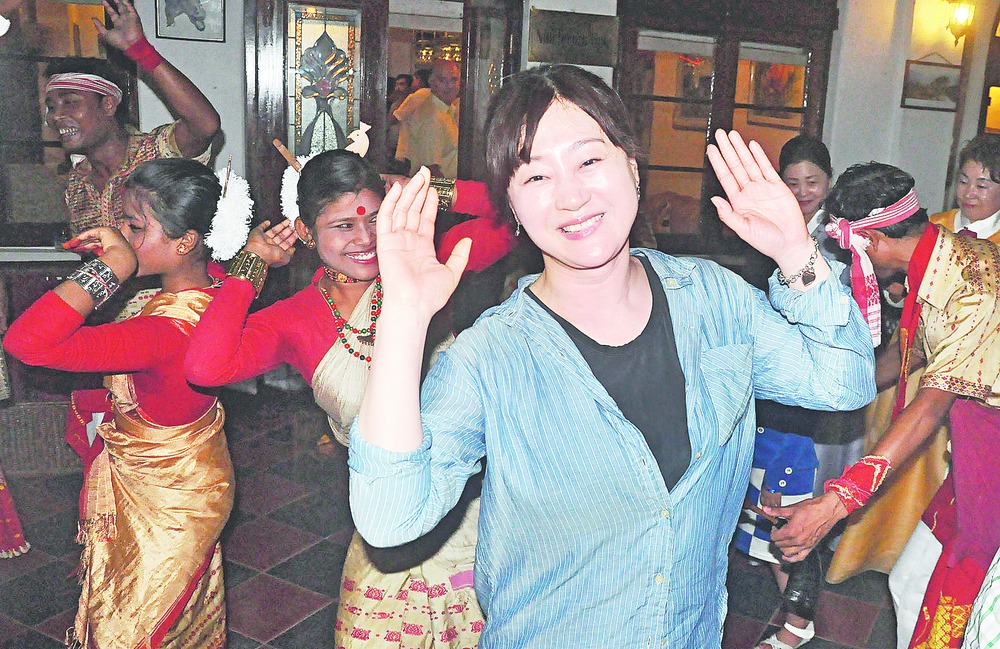
Last year, a 25-member Korean team, including women, had come to India and visited tea gardens in Assam, Darjeeling and Sikkim and also mingled with tea experts and planters.
The team, sources said, was impressed with the activities involved in the tea industry of India. It was also impressed with the handmade tea in Assam.
The team visited Singpho villagers, interacted with the organic handmade tea producers of Assam at Demow in Sivasagar district where a cultural extravaganza was organised and Assamese traditional food served.