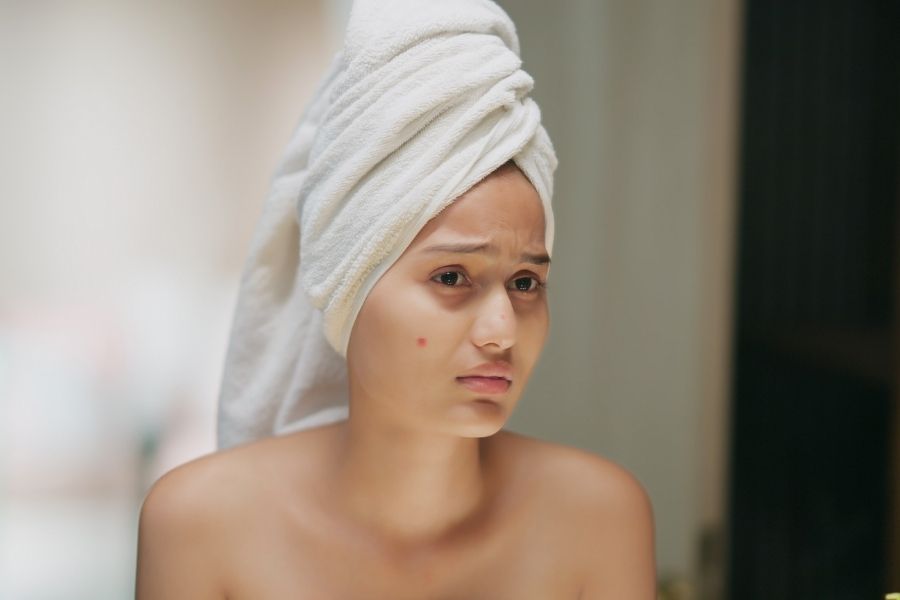
“Why am I still dealing with acne breakouts even though I’m well past my teenage years?”
If this question has crossed your mind, you’re not alone.
Although acne is commonly associated with adolescence, it can affect people at almost any age. The condition typically appears on the face, forehead, chest, upper back and shoulders — areas that have the highest concentration of oil (sebaceous) glands.
Acne develops when hair follicles become clogged with oil and dead skin cells, leading to whiteheads, blackheads or pimples.
For many people, a sudden acne breakout can easily ruin an otherwise good day. Sometimes these pimples can even be painful, with a dull, throbbing sensation. And attempts to conceal them with makeup can sometimes make them even more noticeable.
But there’s no need to panic. My Kolkata spoke to dermatologists to uncover the lesser-known reasons behind sudden acne breakouts and what you can do to stop it.
Dietary reasons

Foods with a high glycaemic index — excessive sugar, processed foods, and sometimes dairy products — may worsen acne in susceptible individuals.
“It is very common to see flare-ups of acne in summer and there is one obvious culprit for that — mangoes,” said Arunima Ray, consultant dermatologist at Narayana RN Tagore Hospital.
“White bread, sugary snacks, desserts, and sweetened beverages can stimulate oil production and inflammation, leading to acne flare-ups,” added Priyanka Hemrajani, senior consultant dermatologist at Marengo Asia Hospital.
Stress and poor sleep

Stress increases cortisol levels in the body. Elevated cortisol can stimulate oil glands and increase inflammation, which may aggravate acne. Lack of sleep also disrupts skin repair mechanisms, making flare-ups more likely. “Increased stress always manifests itself in the form of increased acne,” said Ray.
Hormonal imbalance
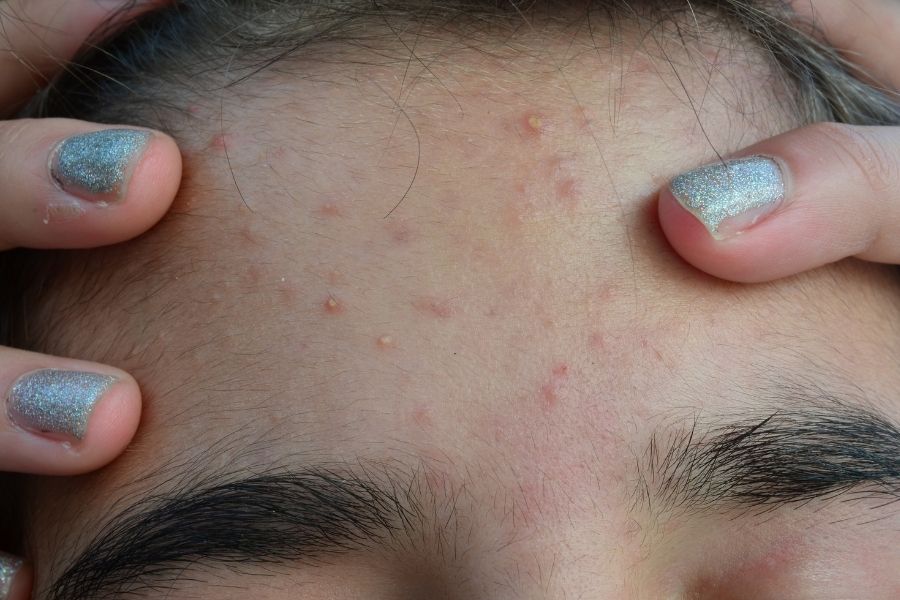
According to Asma Akhlaq, consultant dermatologist at CK Birla Hospitals, one of the most common triggers of sudden acne flare-ups is hormonal imbalance. Such imbalance is particularly common during puberty, menstruation and pregnancy.
Certain medical conditions like Polycystic Ovary Syndrome (PCOS) may also result in hormonal imbalance. Hormonal fluctuations can stimulate the sebaceous glands, leading to excess oil production and clogged pores. “Use of hormonal medications around the time of puberty or in middle-aged women can lead to acne,” explained Ray.
Environmental factors
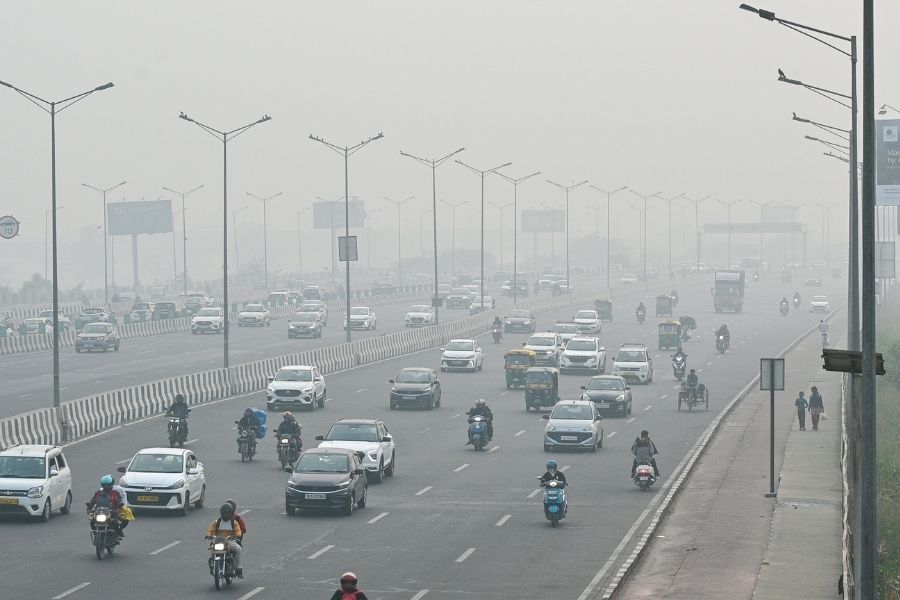
Environmental factors such as pollution and humidity can also contribute to clogged pores and acne flare-ups, said Akhlaq.
Improper skin hygiene
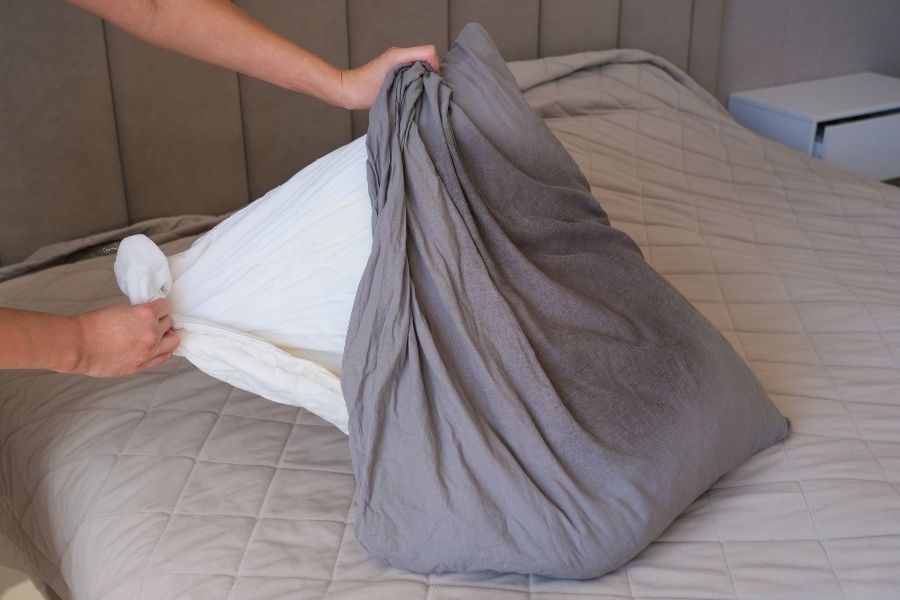
Improper skin hygiene is a major factor that can trigger or significantly worsen breakouts.
Ray advises using a hands-free method like earphones or speakers while speaking on the phone. “Our phones are great carriers of dirt, germs and bacteria. So we must not let them touch our face. Alternatively, we may use a device friendly wipe to clean our phone surface before it touches our face,” she said.
Ray also recommended the use of fresh pillow covers. “Even if you can’t change pillow covers frequently, make sure you’re spreading a clean towel on your pillow every two days,” she explained.
Finally, an excess of nothing is good. Over-cleansing can destroy skin barriers and sensitise the skin, causing acne breakouts. “Not cleansing the skin properly is a bad habit, but so is over-washing with harsh products,” said Akhlaq.
Certain cosmetics, sunscreens, or hair products that are comedogenic (pore-clogging) can trigger acne breakouts. Hemrajani added that products containing heavy oils or thick occlusive ingredients may block pores, especially in people with oily or acne-prone skin.