
Whole fruits are a better choice over juices and smoothies when it comes to everyday nutrition, say health experts. While fruits in all forms provide vitamins and minerals, the way they are consumed can significantly affect how the body processes sugar, absorbs nutrients and manages hunger.
Fibre in whole fruits
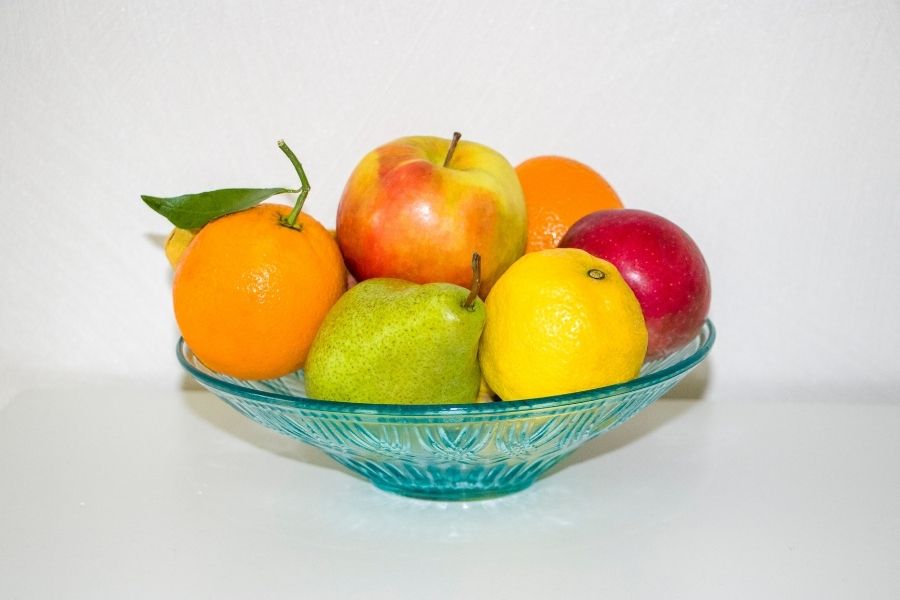
One of the biggest advantages of consuming whole fruits is their fibre content, especially from the skin and pulp. This plays a significant role in digestion and metabolic health.
“Fibre helps slow down the absorption of sugar into the bloodstream, leading to a gradual rise in blood glucose levels instead of sudden spikes,” said Indrani Ghosh, chief dietician at Manipal Hospital, Salt Lake.
In comparison, fruit juices lose most of their fibre during processing while smoothies retain some in a partially broken form. According to Samiksha Chordiya, chief dietician at DPU Super Specialty Hospital, Pune, “fibre intake in adequate quantity supports gut health, improves metabolism and reduces the risk of obesity, type 2 diabetes and heart diseases.”
Whole fruit controls blood sugar
Whole fruits have a lower glycemic impact, making them a better option, especially for those monitoring blood sugar levels.
“Regular consumption of fruit juices may lead to poor glycemic control and increase the risk of insulin resistance,” said Chordiya. Smoothies may be slightly better, but the impact depends heavily on ingredients and portion size.
Whole fruit keeps you full for longer
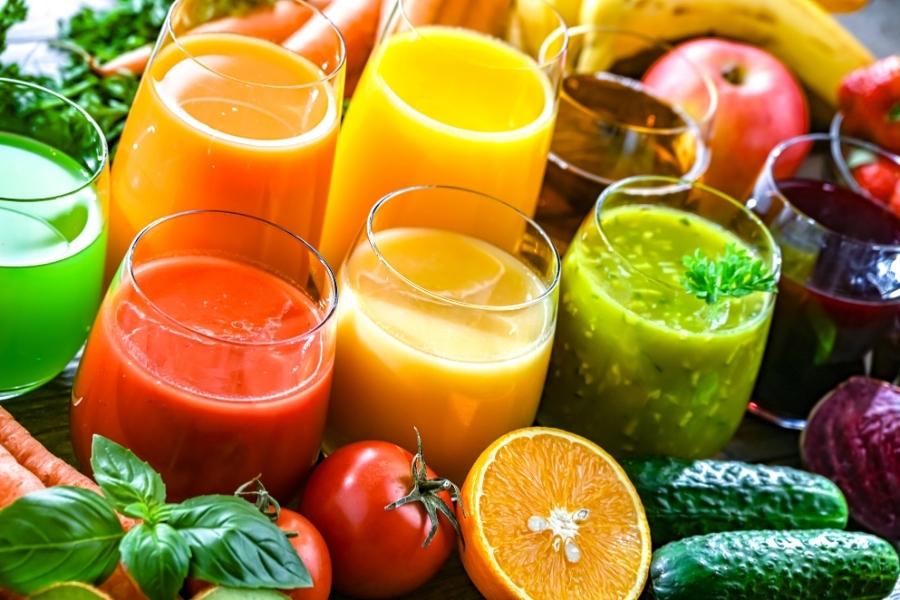
Satiety is another factor that works for whole fruits. Eating them requires chewing, which, along with fibre, creates a feeling of fullness in the brain.
“Whole fruits stop you from overeating, but juices are consumed quickly and do not trigger the same feeling of fullness,” explained Ghosh. Hence, this often leads to higher calorie intake over time.
Fruits have nutrients in their natural form

Whole fruits maintain their complete nutritional profile. All vitamins, minerals and antioxidants are intact. Making juice out of them can lead to nutrient loss, especially due to oxidation.
“A single glass of juice may contain the sugar of three to four fruits; this increases calorie intake without the balancing goodness of fibre,” said Chordiya.
It is a balanced everyday choice
Experts agree that while juices and smoothies can be consumed sometimes, whole fruits should remain the preferred choice for daily consumption.
“Whole fruits help portion control and support long-term metabolism,” said Ghosh.