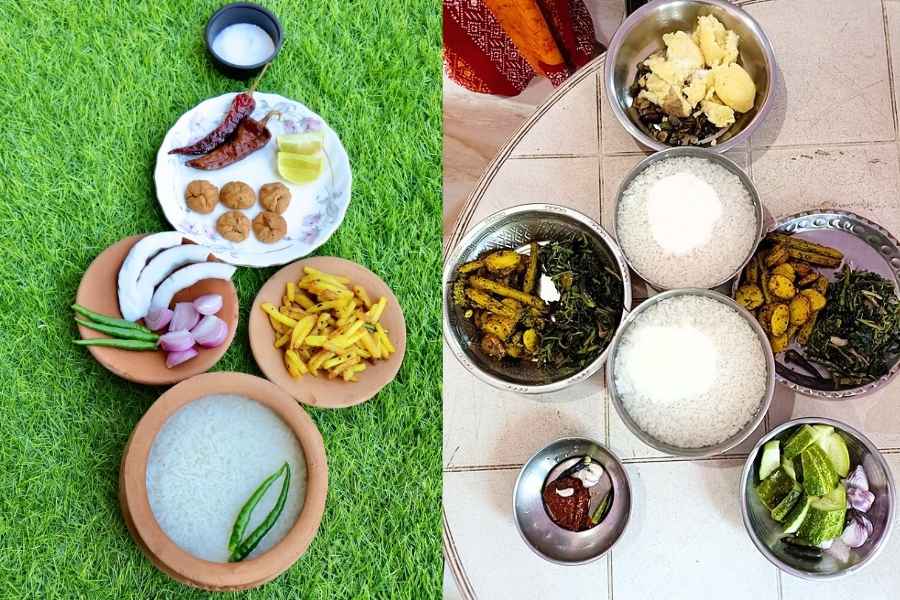
If you are a bheto Bangali, weight management might seem difficult. Although rice has been a staple in Bengal, it is often the first thing people give up when trying to lose weight. Experts say that with little knowledge, rice is villainised. If fitted into a diet the right way, it can comfortably be a part of your weight loss plan.
Busting the myth
“Banning rice is a myth. Weight loss depends on ‘calories in’ versus ‘calories out’. Rice itself does not cause weight gain; what matters is the portion size and what you eat with it,” said Satavisha Basu, senior dietitian at Narayana Hospital, Howrah.
Rice is a carbohydrate, and therefore, it is essential for energy. Cutting it out completely can lead to fatigue and cravings, which make diets harder to sustain. Plain rice is naturally low in fat and easy to digest, so it is suitable for most people.
The key lies in balance
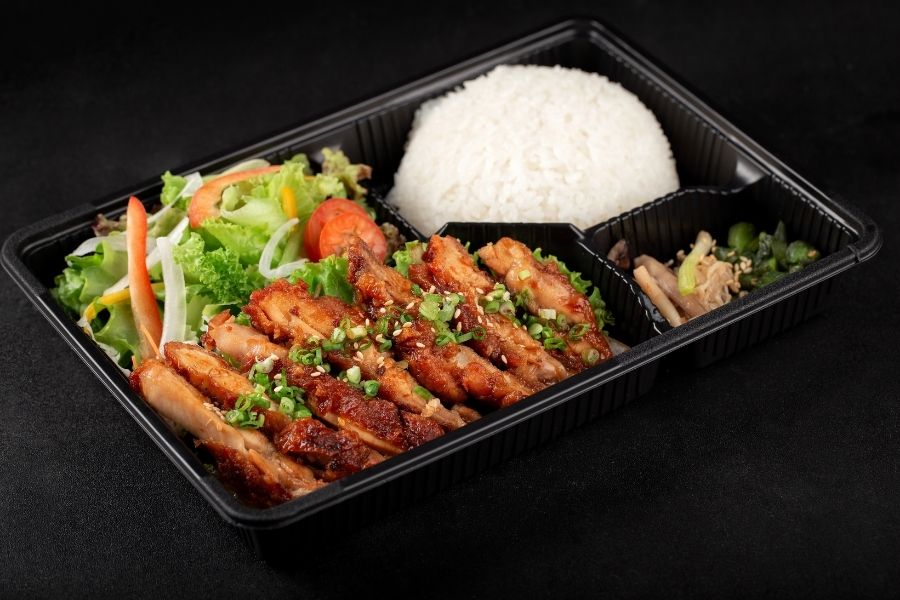
Dietitians recommend a simple plate approach. According to this, one quarter of the plate can be rice, another quarter protein such as dal, fish, paneer or chicken, and the remaining half filled with vegetables and salad. This helps keep you full while managing calorie intake. “Weight loss is not about eliminating specific foods; it is about maintaining a calorie deficit, balanced nutrition, and a healthy lifestyle. Rice, being a staple carbohydrate, is not inherently fattening when consumed in the right way,” said chief dietician Samiksha Chordiya at DPU Super Specialty Hospital, Pimpri, Pune.
Choosing the right type of rice can make a difference
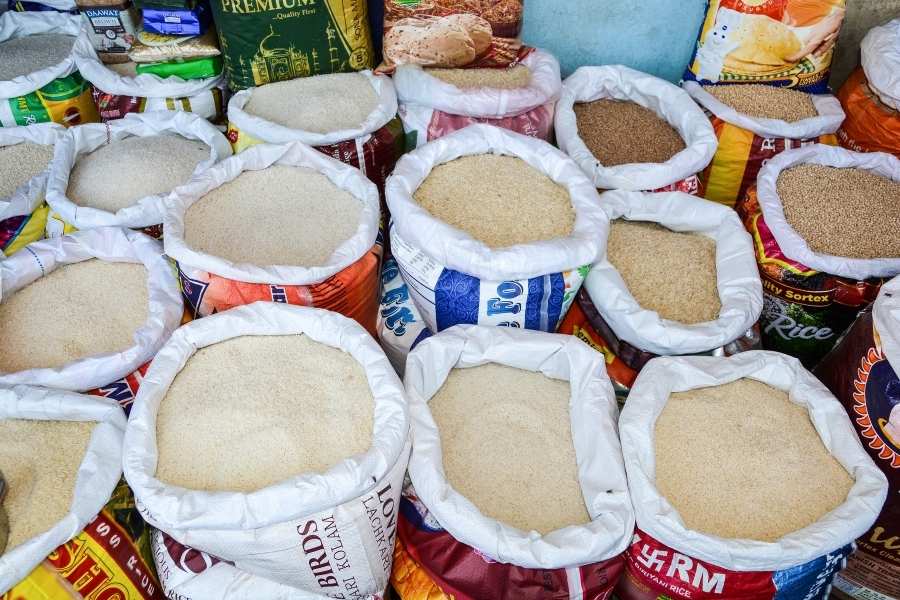
What rice you eat daily can determine your weight loss journey. Rice varieties such as brown rice, red rice and hand-pounded rice have a lower glycaemic index, which means they release sugar more slowly into the bloodstream and keep you full for longer. However, experts also say that white rice can be eaten in moderation.
Small tweaks can make rice more weight-loss-friendly
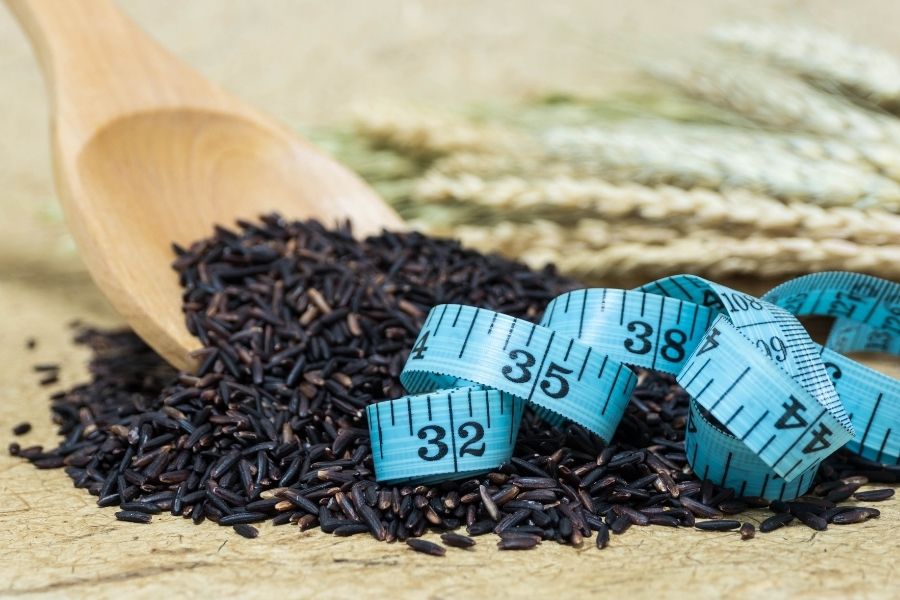
Cooling cooked rice and reheating it later increases the amount of resistant starch and lowers its calorie impact, supporting gut health. To increase the portion size, mix rice with vegetables; this does not add extra calories.
Timing plays a role, too. “Eat rice at lunch, not dinner. You’re active after lunch, so you burn it. At night, it’s more likely to be stored as fat. If you train in the evening, post-workout rice is fine,” said Basu.
But, how much rice is okay to eat? About half to one cup of cooked rice per meal is reasonable, say experts. To keep the meal lighter, one must avoid heavy gravies and excess oil.