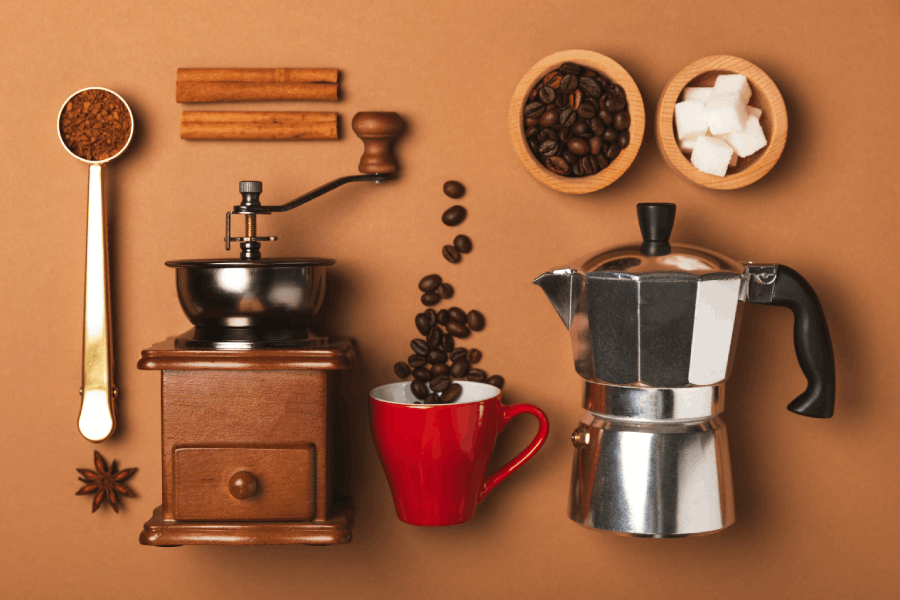
There are particular kinds of mornings that begin with the gentle sputter of a Moka pot. Not the hiss of a café espresso machine, not the quiet patience of a pour-over, but a bubbling rhythm that feels homely and reassuring. Strong coffee is on its way.
“The moment you say Moka pot, the first brand that comes to mind is Bialetti,” says Prateek Didwania, founder of Snacking, PICO, and co-founder of Yours Truly Coffee Roasters.
“It is a very Italian way of making coffee, and the closest you can get to espresso at home without investing in an espresso machine.”
Invented in the early 1930s by Alfonso Bialetti, the Moka pot was inspired by a steam-powered washing system that pushed hot water upward.
That principle remains unchanged. The lower chamber holds water, the middle basket holds ground coffee, and the upper chamber collects the brew. Heat creates gentle pressure that pushes water through coffee to produce a bold, concentrated cup.
“It is a home brewer’s companion,” Prateek says. “In a café you expect clarity and flavour precision from espresso or pour-over. The Moka pot belongs on the kitchen counter, not the coffee bar.”
Getting the brew right
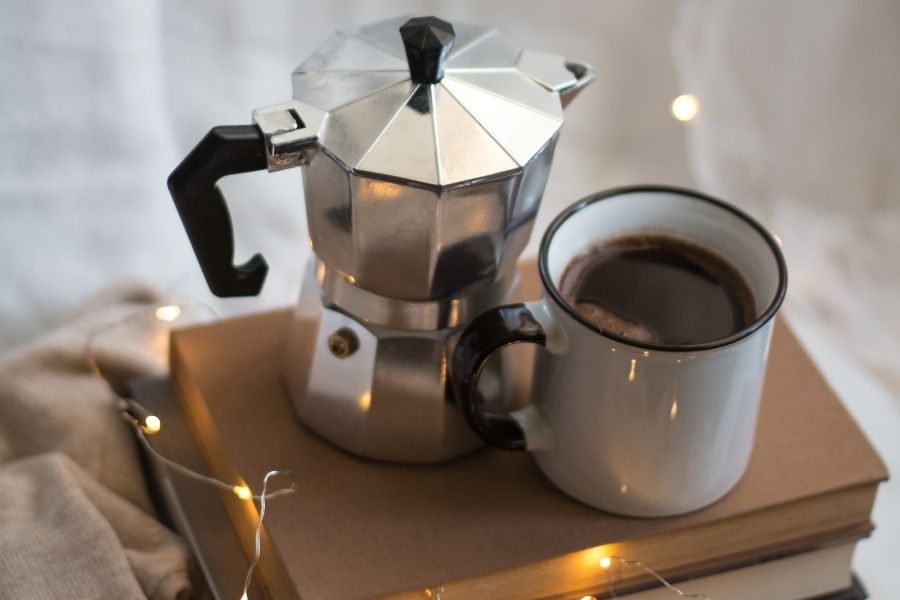
Brewing begins with water in the lower chamber filled just below the safety valve. Coffee goes into the basket, ground fine like espresso but never tamped. “If you press the coffee down, steam cannot pass through and extraction fails,” Prateek explains.
Medium heat is key. As water warms, pressure builds and coffee rises into the top chamber. The pressure is lower than an espresso machine, but enough to produce a rich brew. A simple ratio works well: one part coffee to 10 parts water. A 15-gram dose needs roughly 150 ml of water. Brewing takes about two to two and a half minutes.
“Listen for the sputter,” Prateek says. “The moment you hear that sound, remove the pot from the stove. The remaining coffee finishes extracting in the next few seconds.” Starting with warm water shortens brew time and prevents the coffee from tasting overcooked.
A home brewer’s ritual
Ankita Sarkar
For Ankita Sarkar, home brewer and coffee content creator, the Moka pot is personal. “You will hardly see cafés brewing with a Moka pot. It is something used by home brewers only. It’s intimate, simple, and easy to get right once you understand the basics.”
Her first rule is water temperature. “Always pour hot water into the tank. Avoid cold water. It helps control brewing time and taste.” She also stresses restraint with the coffee bed. “Never tamp the grounds. Just level them. You need space for air and water to pass through.”
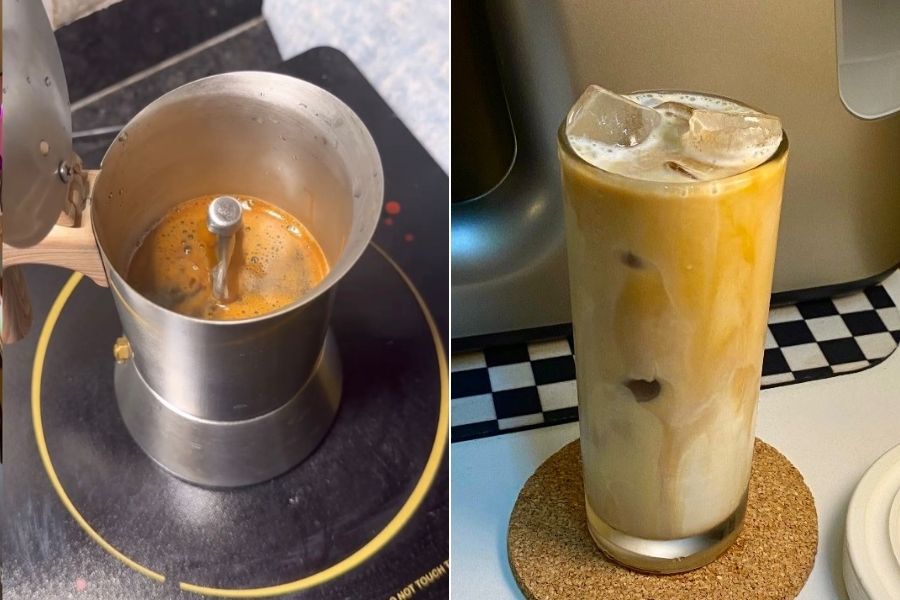
Heat control matters. “Keep the temperature moderate. If the heat is too high, the coffee will taste burnt,” she says. “You will hear a gargling sound as the water boils. Then you will see micro bubbles, the coffee oils, followed by the actual extraction. When you hear the empty sound, turn off the heat and move the pot aside for a few seconds before pouring.”
The result sits between espresso and filter coffee. It is strong enough to drink black and makes a reliable base for cappuccinos, lattes, americanos, and iced coffees. “It may be lighter than an espresso, but it still gives you a solid base for milk-based drinks,” Ankita says.
Beans, flavour, and buying advice
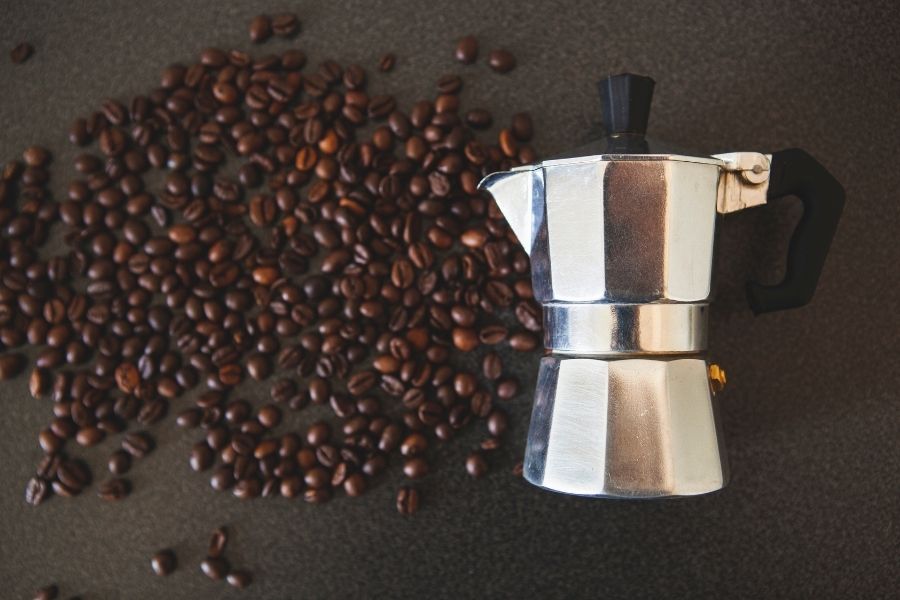
Medium to dark roasts work best. Ankita recommends nutty, chocolatey, caramel or honey-forward coffees.
“Fruity or floral coffees shine in pour-over. In a Moka pot, bolder notes work better,” she says. Grind size should be fine but not powdery, similar to table salt. Arabica works well, or an Arabica and Robusta blend for extra body.
Cleaning is simple. Rinse all parts with water only, discard grounds, and dry thoroughly before storing. Avoid soap to preserve the pot’s seasoning.
And when it comes to buying, Prateek is firm. “There is only one brand. Bialetti. He invented it. We should respect that.”
Some coffee rituals never go out of style. The Moka pot remains one of them.