Onboard the metro to Vishwavidyalaya — the station closest to Delhi University’s (DU) North Campus — a group of young women is having an animated discussion about hand creams. Some of them are salesgirls, and some data entry operators or front office professionals. From the sound of it, hand creams to them are like the pen and notebook in a reporter’s pocket, or Karna’s kavach kundal, or Samson’s locks. It gives them the strength to get by every day in a world where they need every ounce of confidence they can summon.
The discussion shifts to in-law talk.“She expects me to drop out and take care of the baby,” says one woman. She is talking about her sister-in-law. “I want to study yaar. How long can I manage with a sales job like this?” she continues.
Going by what they are saying, most of these women take evening or distance learning classes. One of them starts to talk about a problem with her teacher: “Madam always says that I can’t write properly nor understand anything. I was feeling very depressed so Shalini took me to a counsellor. Everyone should have someone to talk to, someone who understands you. The counsellor asked me to break down each task into smaller ones. Achieving small things is easier, she said.”
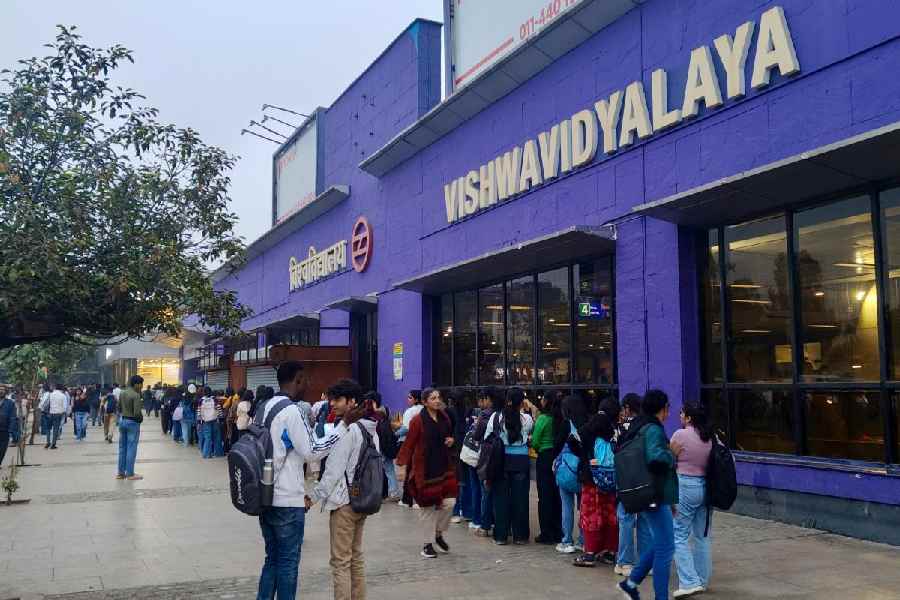
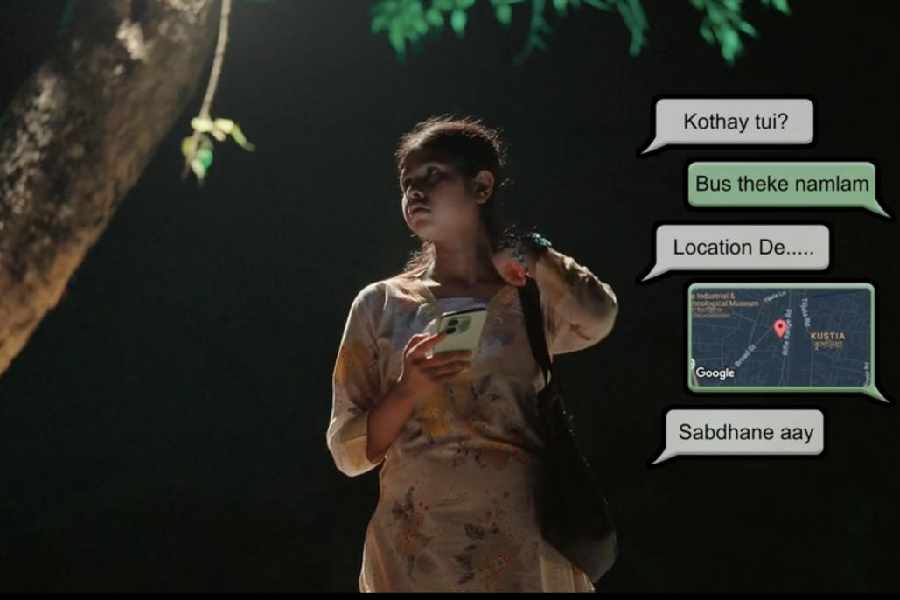
Representational image
In the course of reporting for this piece, over four weeks, this is what I learnt. A large section of Gen Z speaks about mental health as freely as middle-aged people talk about politics. Anuhyaa Trilokyamangalam, a 20-year-old musician and student of Hindustani classical music at Miranda House, says, “On a personal level, I care a lot about mental health, especially for students. College can be overwhelming — balancing academics, work, finances and trying to figure out the future. I think there still isn’t enough open conversation or accessible support, even though almost everyone is dealing with stress or anxiety in some way.”
She adds, “On a larger scale, I’m particularly concerned about things like education affordability, climate change and social inequality. It’s hard not to think about these issues when you’re a student, because they directly affect our generation’s future. Rising tuition fees, environmental instability and economic pressure aren’t abstract concepts — they shape real choices we have to make. Even if we don’t have all the answers, I think it’s important to stay informed and engaged.”
More than their elders, Gen Z resists pressure to pretend to know. Their questions roll on like a mighty stream. Gosai Panwar from Rajasthan’s Barmer is a master’s student of Hindi at DU and is preparing for the civil services exam. He questions a system that
promotes inequality. “People in my village can’t think beyond becoming constables or patwaris (village level revenue officials). I too was so clueless that when I applied to DU, I opted for Miranda House — a girls college. When I got the third rank in my district in Class XII, IPS officer Pankaj Choudhary felicitated me and gave me ₹11,000. His team made me realise that writing the civil services exam is not so scary and there are village youth who also clear it,” he said.
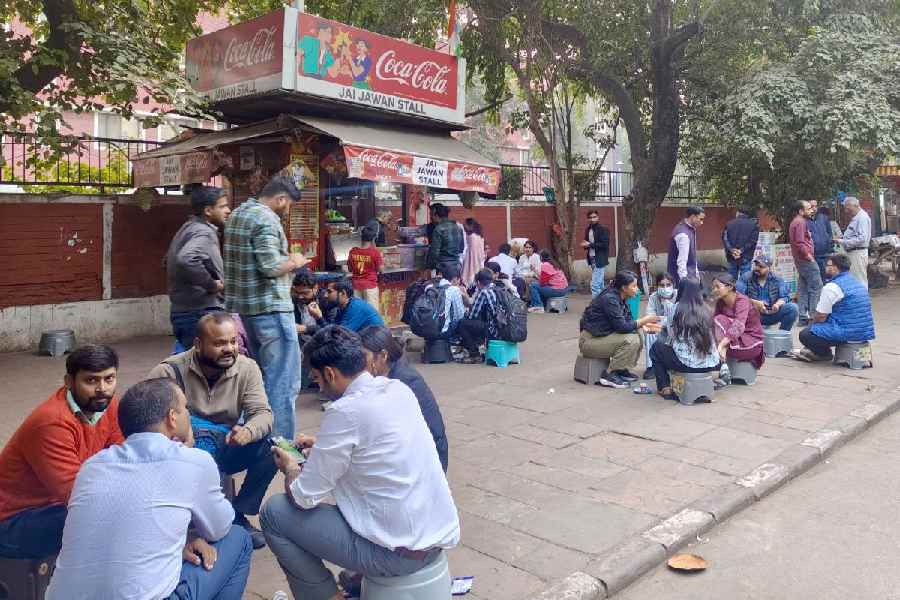
Representational image
Choudhary was dismissed from service in 2019 but reinstated in 2021. In 2019, his nomination as a BSP candidate from Barmer was rejected for want of required documents. Panwar added, “We live in 8ftx8ft rooms in Delhi to prepare for competitive exams, but many question papers have been leaked in Rajasthan and the exams get cancelled… I feel the executive is stronger than the judiciary, which is a bad situation. The insult of the Chief Justice of India reflects this lack of respect for the Constitution, and casteism. If the government is serious about the Constitution, then they should make sincere efforts to change this casteist mindset of society, and strengthen the judiciary.”
What Choudhary is to Panwar, Chinese premier Xi Jinping is to Sartaj Ali, Panwar’s batchmate and fellow civils aspirant from UP’s Bareilly. “Even though China is a dictatorship, the country under Xi Jinping is able to fulfil basic needs of its people which we are unable to, although India got Independence and China had its revolution around the same time. They are even able to defy the tariffs imposed by the US better than our government.”
Both Panwar and Ali say their interaction with politics is through the activism of the RSS-backed ABVP, and the Congress’s NSUI on campus. The propaganda of neither cuts ice with them, nor does the political trend of displaying religiosity in public spaces. Ali says, “Even if I like an ideology, I do not want to be tied to an organisation. Our thoughts evolve with time and neither ideology nor any organisation should be supreme or above question… I follow Islam but I think religion should be kept out of our places of study or work. Nowadays, we see students offering namaz or performing havans on campus. They can do so at home or at a place of worship. We come here to gain knowledge, and should not get distracted performing religious rituals.”
Panwar said, “We should be more rational and less religious. I feel that the world is going ahead but we in India are going in reverse with young people becoming more religious than their parents.”