The diplomatic storm over the deaths of three Indian seamen in a US missile strike has intensified dramatically, with India warning Washington that attacks on civilian shipping are unacceptable.
External affairs minister S. Jaishankar telephoned US secretary of state Marco Rubio to voice India's anger over the strike on the Settebello, the third tanker crewed mainly by Indian sailors to be attacked by the US Navy in less than a week.
"I reiterated India's strong protest at the attacks by the US Navy in the Gulf that killed three Indian mariners. Such lethal actions against commercial shipping are not justified," Jaishankar wrote on X after the conversation.
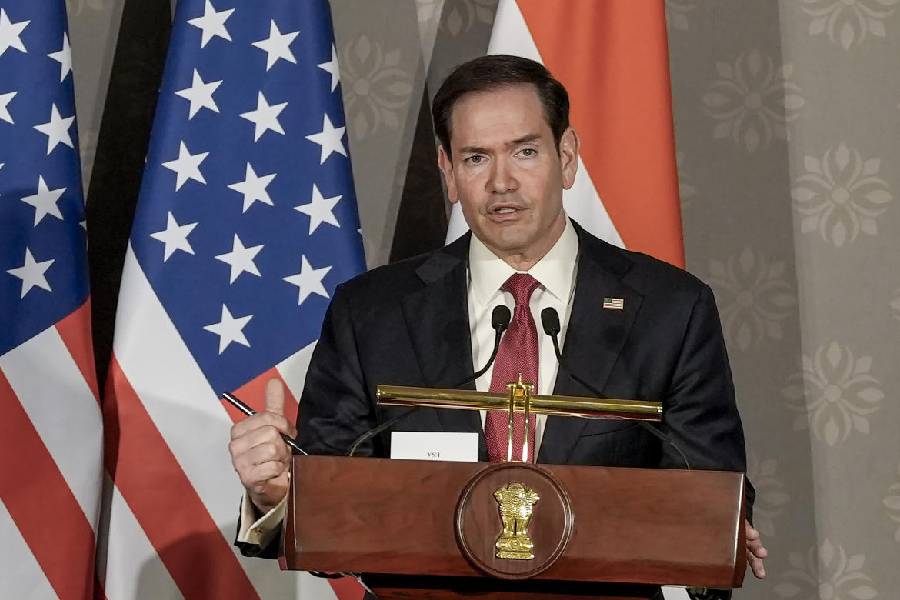
But the United States bluntly rejected India's protests and warned that any vessel attempting to breach its blockade of Iranian oil exports could be sunk. According to the American account of the conversation, Rubio declared that "violations of the US blockade and the illicit transport of Iranian oil will not be tolerated".
The unrepentant response from Rubio has triggered outrage across the political spectrum in India following the sinking of the MT Settebello, a tanker crewed by 24 Indians.
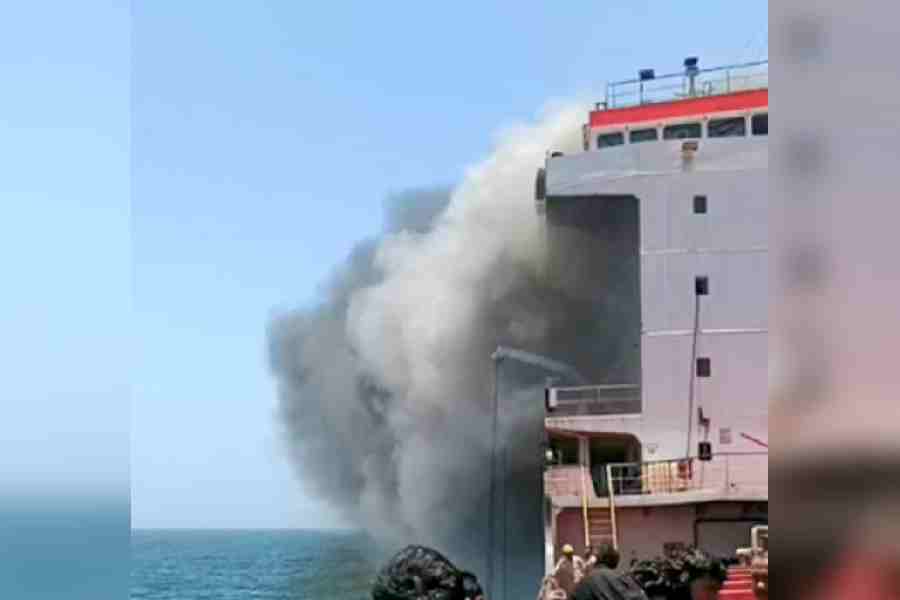
Three sailors drowned after the vessel was struck during US naval operations aimed at enforcing Washington's blockade of Iranian shipping. The US military said the tanker had ignored repeated warnings and was carrying Iranian oil. The vessel's managers rejected the claim, saying it had no connection to Iran and received no warning before it was hit. Twenty-one other crew members were rescued.
Rubio made clear that Washington would not change its stance despite India's anger over the attacks.
The US secretary of state's comments have provoked outrage across India's political and security establishment.
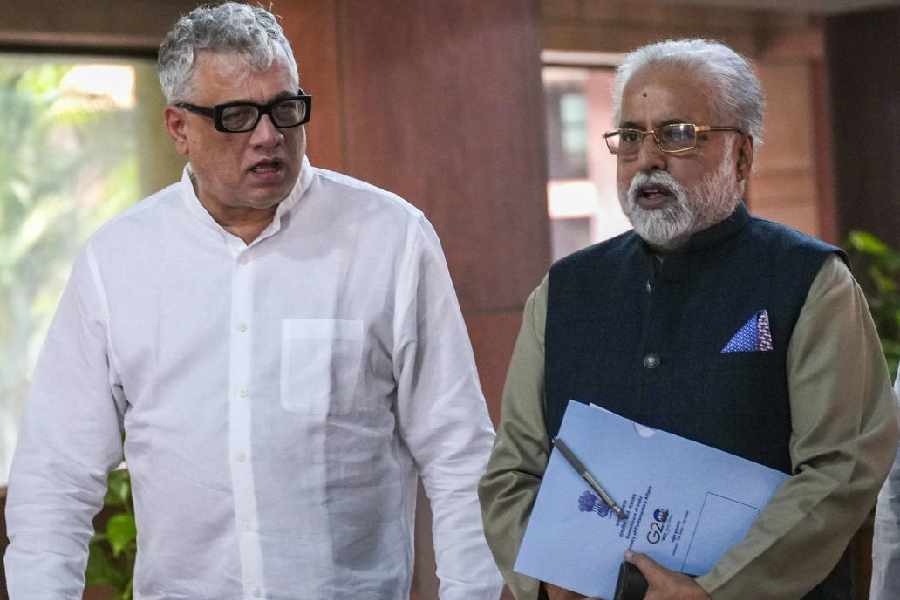
"Deeply shocking to read this official US statement which contains absolutely no expression of regret or condolence for the loss of innocent Indian lives," said Congress MP Shashi Tharoor. "How can a friend and strategic partner be so deeply insensitive?"
Former foreign secretary Kanwal Sibal was equally critical, arguing that Rubio's remarks fell far short of what India should expect from a close partner.
"A very harsh response from Rubio implicitly justifying the killing of Indian mariners," Sibal said.
US analysts said Rubio's comments risked inflaming an already strained relationship that has suffered a string of setbacks.
Foreign policy analyst Derek J. Grossman also criticised the tone and content of Rubio's remarks.
"Rubio's words were very tone deaf and will further inflame anti-US sentiment," he said.
Grossman also highlighted the absence of any expression of sympathy from Washington over the deaths of the sailors.
"He didn't even express condolences for India's loss of life. Some 'friend' Trump's America is to India."
On June 8, Oman's military helicopters airlifted 24 Indian mariners from the MT Marivex after it was set on fire by US missiles. Three days later, a missile from an American aircraft struck the engine room of the MT Jalveer, which had a crew of 22 Indians. Omani forces again carried out the rescue.
In all three instances, American forces scored direct hits on civilian tankers, striking the engine rooms in two cases.
However, the US naval vessels enforcing the blockade made no effort to rescue sailors from any of the ships, even though they faced no apparent danger in approaching the unarmed tankers.
The Settebello sent out urgent distress calls, but these were ignored by the Americans. Again, it was the Omanis who swung into action to save the crew.
The incidents have raised serious questions about the conduct of the US blockade and the obligations of naval forces operating in the area.
Indian critics have asked why American vessels enforcing the blockade did not participate in rescue efforts.
Admiral Arun Prakash, a highly respected former Indian naval chief, directed criticism at both Tehran and Washington.
"The blockade of the Strait of Hormuz, both by Iran and the US, is illegal since neither has a UNSC mandate," he said.
He added that the US naval strike was "a flagrant violation of international law".
The Strait of Hormuz normally carries a fifth of global oil supplies and the disruption to traffic has sent energy prices soaring and shaken the world economy.
India, whose energy security depends heavily on the safe passage of ships through the Gulf, earlier this week summoned US charge d'affaires Jason Meeks, the senior-most American diplomat in New Delhi while ambassador Sergei Gor is out of the country.
Indian officials conveyed a strong protest to Meeks, expressing "deep concern over the use of lethal and deadly force against civilian shipping". However, they stopped short of issuing a formal diplomatic demarche, the strongest form of official protest between states.
Many Indian analysts noted that the Congress-led government took stern action in the 2012 Enrica Lexie case, when two Italian marines on board a ship off the Kerala coast killed two Indian fishermen after mistaking them for pirates.
The incident triggered a major diplomatic dispute between India and Italy. One of the marines spent about two years under Indian legal restrictions, while the other remained under Indian jurisdiction for roughly four years before returning to Italy.
The US-India row is particularly striking because just last month Rubio was in India on a mission to repair relations that deteriorated after President Donald Trump imposed massive tariffs on Indian goods. The two countries are also in the final stages of negotiating a major bilateral trade agreement aimed at deepening economic ties.
While in Delhi, Rubio met the foreign ministers of the other Quad nations, Japan and Australia, and the four countries pledged closer maritime and regional security cooperation.
The US Navy's failure to attempt rescues from the stricken vessels has also revived debate about the responsibilities of naval commanders towards sailors in peril.
Critics have pointed to historical precedents dating back to the Second World War, when German naval commander Admiral Karl Dönitz faced war crimes accusations over the infamous Laconia Order, which instructed U-boats not to surface to rescue survivors of vessels they had torpedoed.