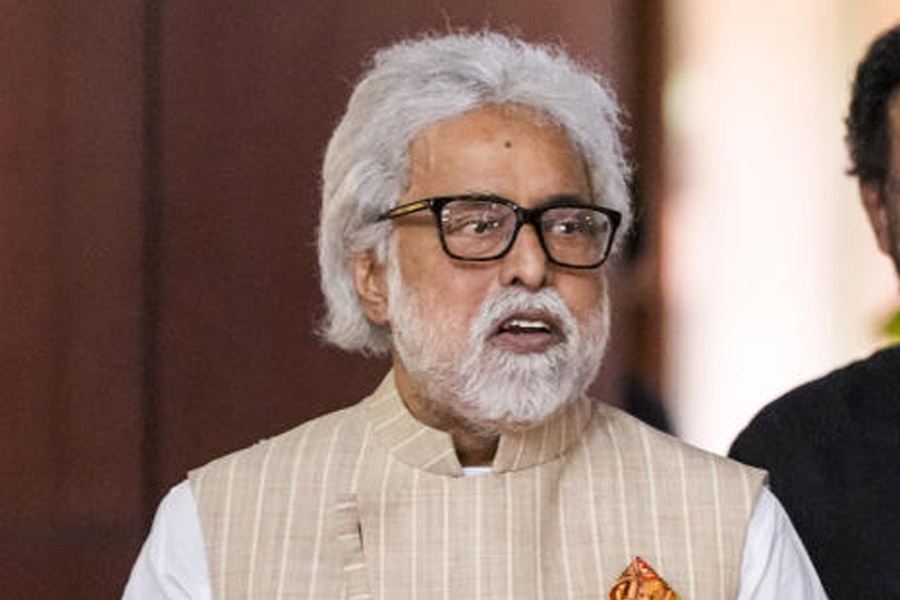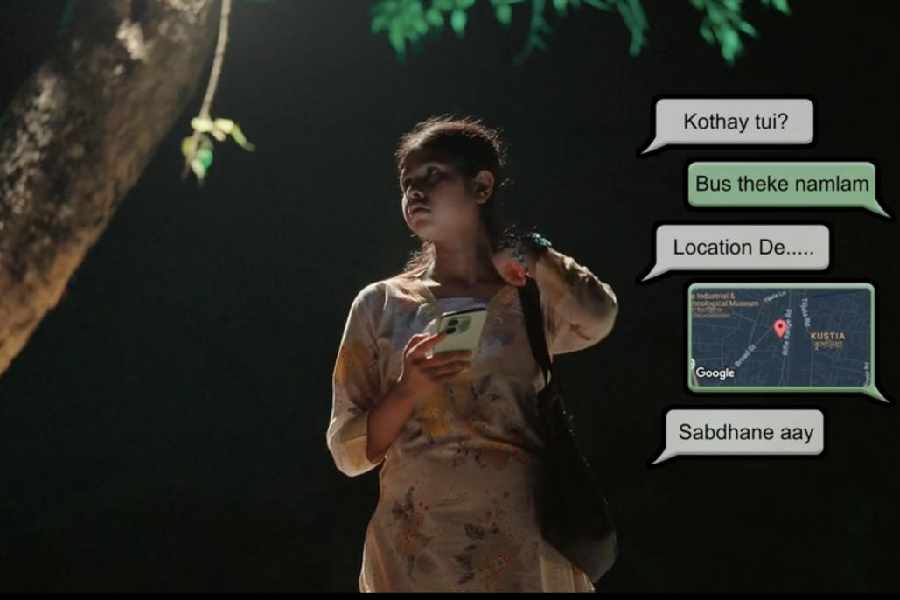
We had to adopt the guerilla style of shooting or run-and-gun shoots, says Drono Acharya. The filmmaker is talking about the BJP’s Bhoy Noy Bhorsha campaign. He was engaged by the Calcutta-based advertising firm Response India to shoot the videos for the multi-pronged project that was rolled out in West Bengal ahead of the Assembly elections.
Bhoy means fear and bhorsha is trust, even reassurance.
Mrityunjay Chatterjee, founder-director of Calcutta-based ad agency Thoughtshop, was not involved in this project but the industry veteran says he cannot help but applaud the “uniquely local yet strategic perspective” of the Response India campaign. According to him, the effective communication has to do with the concerned ad agency’s pedigree — “a rich legacy of understanding the Bengali sentiment”.
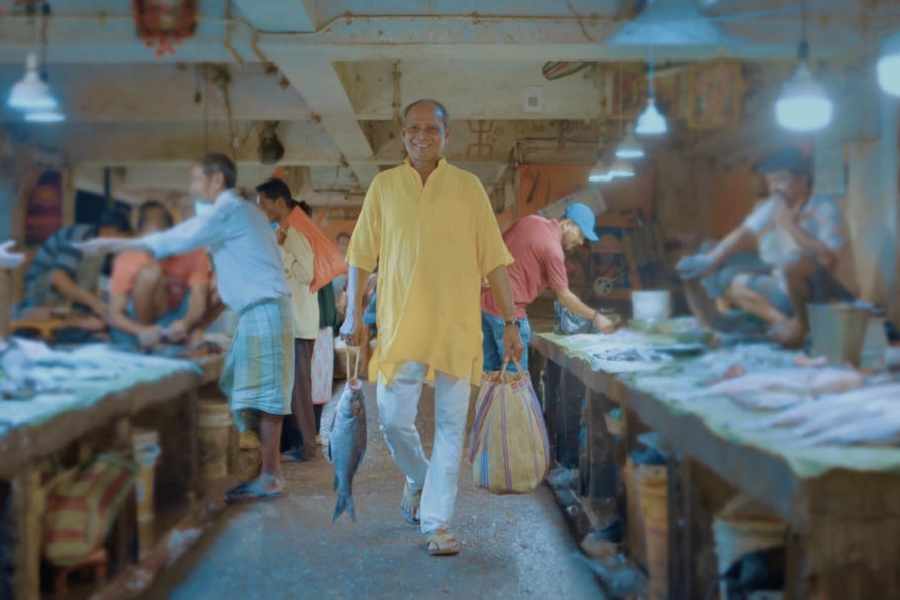
A poster from BJP's 'Bhoy Noy Bhorsha' campaign
Turns out it was no accidental union. Rashi Ray, who is the director of Response India, says, “The BJP was looking for an agency with a longstanding association with Bengali advertising and a grasp of the nuances of Bengali culture.”
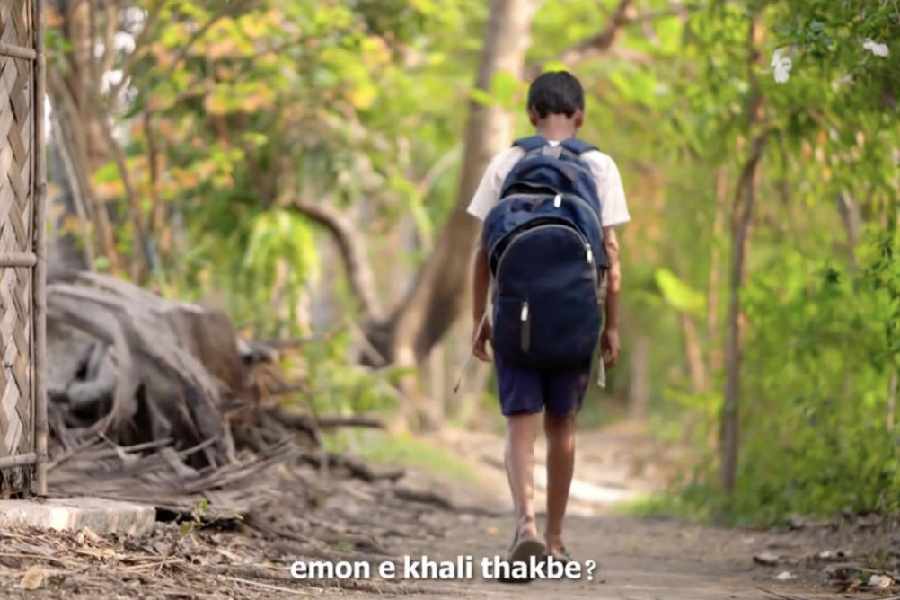
At the heart of the campaign were 13 short films produced for television, movie theatres, OTT and other digital platforms. Each film was based on a clear brief delivered by the party’s communication team. Once the scripts were approved, the casting was done, locations hunted and production wrapped up within 48 hours. “There were parallel production teams and utmost secrecy was maintained regarding the storyline,” says Siddhartha Roy, CEO, Response India, “One team didn’t know what the other was doing,” he adds.
Since the turnaround time for each film was so short, the agency had to go with professional actors from the small screen and theatre. “With some difficulty we managed to find actors who were ready to work with us,” says Roy.
Once again, that bhoy and bhorsha narrative, real and reel bleeding into each other. Finding actual locations for shoots to depict the range of issues from systemic corruption to oppression of women to an education infrastructure in shambles was an uphill task.
People, as the ad agency discovered for themselves, were afraid to allow teams to shoot in their homes or even in the neighbourhood. Their reason: the wrath of
political goons.
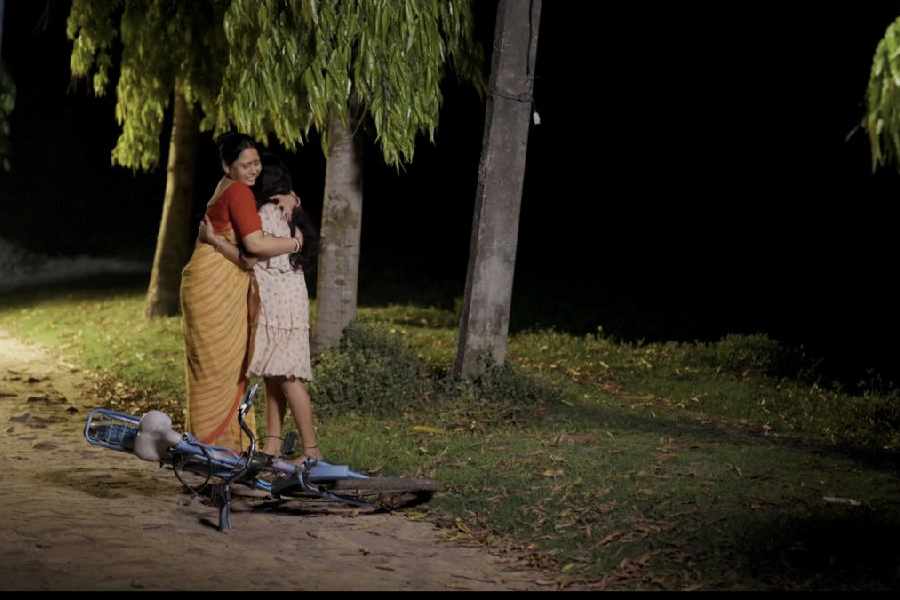
A poster from BJP's 'Bhoy Noy Bhorsha' campaign
Drono talks about the skeletal crew and how they shot in public locations without official permits. Small non-intrusive cameras without heavy tripods and hidden microphones were used instead of large boom mics. “Just before one of the shoots in a village near Diamond Harbour, the ruling party issued a warning and the crew had to withdraw,” he says.
Two films meant to highlight the unsafe conditions for women were shot outdoors at night near Bantala on the eastern fringes of Calcutta. For the film titled Empty Classroom, the agency identified a school operating from a dilapidated building. The crew added a few props and changed the school’s name. “Despite the risk, we had to choose real locations because the client had strictly forbidden us from using AI-generated visuals,” says Roy.
Apart from the films, Response India also designed the Charge Sheet campaign against the Trinamool government. This document highlighted all the scams, the crimes against women and other issues of national security and infiltration that the BJP attributes to the Trinamool. “We created the base design of their manifesto and named it Bhorshar Shopoth, as well as on-ground posters and pamphlet designs for individual BJP candidates,” adds Ray.
A poster from BJP's 'Bhoy Noy Bhorsha' campaign
None of the creatives was translated from master copies conceived in English or Hindi. Chatterjee points out, “Simple and crisp language targeting the masses struck a chord.”
It has been more than a month since a new government assumed power in Bengal. Hope is afloat, rotten eggs are flying, and bhoy and bhorsha are playing see-saw.