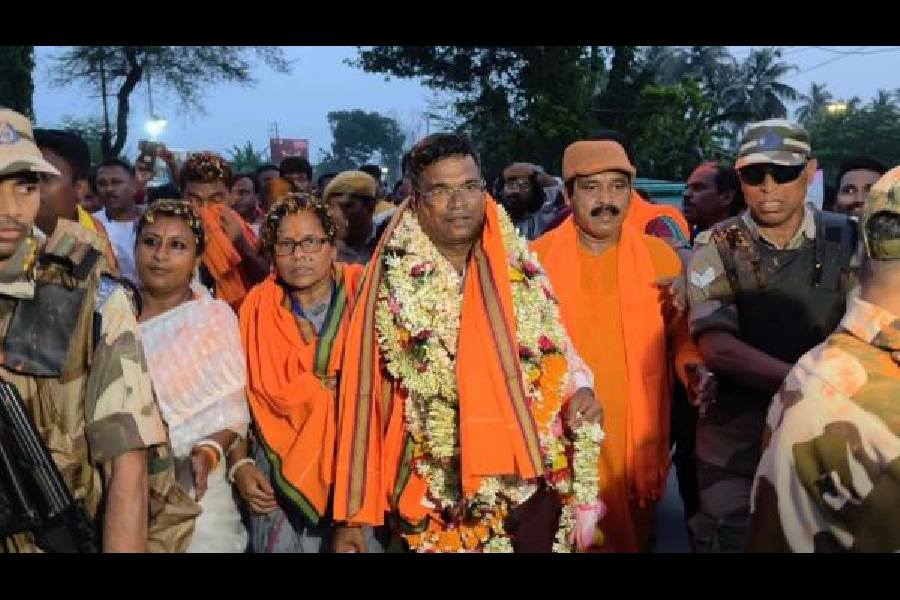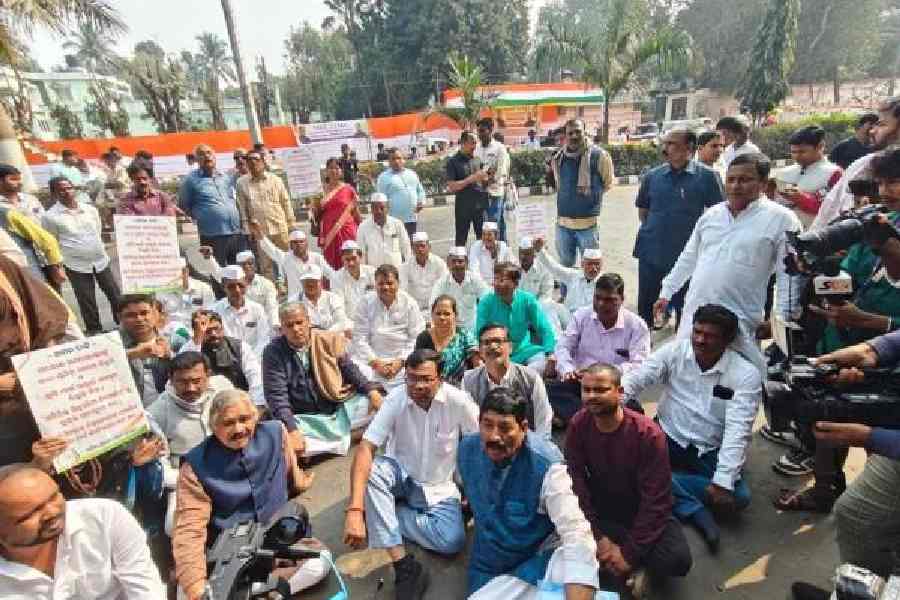
The Odisha Pradesh Congress Committee (OPCC) on Monday held demonstrations in front of electricity offices across the state, demanding immediate withdrawal of the additional security deposit (ASD) being charged from consumers.
In Bhubaneswar, Congress leaders, including OPCC president Bhakta Charan Das and former Union minister Srikant Jena, joined the protest in front of the TP Central Odisha Distribution Limited (TPCODL) office at Power House Square.
The TPCODL had reportedly issued ASD demand notices to consumers across the state, including through SMS, seeking extra amounts ranging from approximately ₹1,500 to ₹2,000 within 30 days, which has triggered widespread resentment and anger among consumers.
Addressing party workers, Jena said Odisha was a power-surplus state and supplied electricity to other states, many of which provided free power to their consumers. “During the election, the BJP had promised to provide 300 units of power free of cost. Instead of taking steps in that direction, it is allowing private distribution companies to demand additional security deposits,” he said.
Jena warned that if the demand was not withdrawn, the Congress would intensify its agitation and appealed to people to stop paying the ASD.
TPCODL is a joint venture of Tata Power and the Government of Odisha, with Tata Power holding a 51 per cent stake.
Calling the method of calculating ASD “wrong”, Jena said in other states the deposit was calculated on the basis of load factor and questioned why the same system was not being followed in Odisha. He alleged that industries were being favoured with the backing of the state government.
OPCC president Bhakta Charan Das said farmers in several states were being provided free power and questioned why similar policies could not be followed in Odisha. He also demanded a rollback of the smart metre installation, claiming the concept had lost credibility.
Former minister of state for finance Panchanan Kanungo criticised the power company for not explaining how the ASD was calculated and asked whether excess amounts were ever returned when consumption declined.
Tension briefly escalated when Congress workers tried to enter the TPCODL office, but police brought the situation under control.