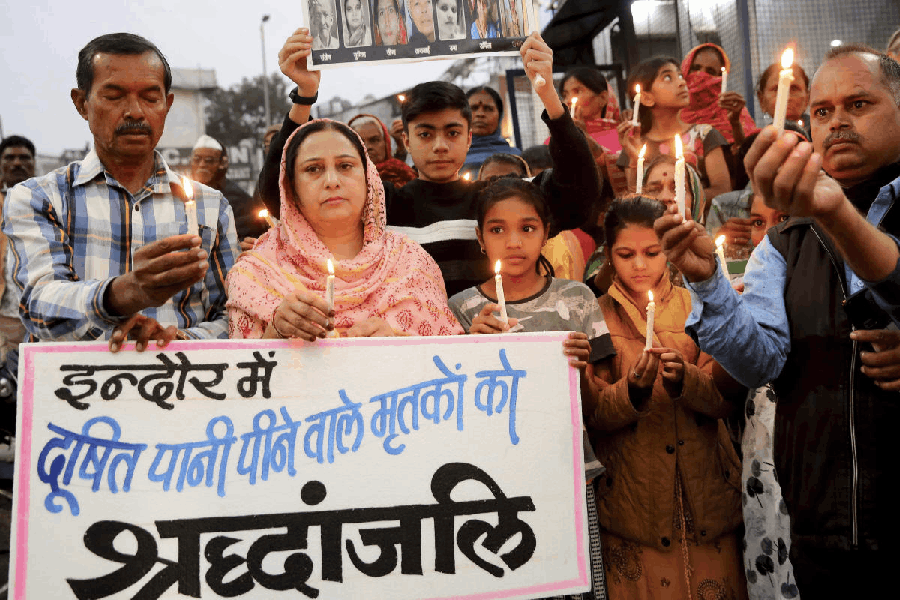
The Madhya Pradesh government on Friday transferred the Indore municipal commissioner and suspended two senior officials amid mounting criticism over the death of at least four persons due to water contamination in the Bhagirathpura area of Indore.
The BJP government told the Madhya Pradesh High Court earlier in the day that the health crisis was now under control following emergency measures, and that there was “no abnormal increase in fresh cases”.
In a post on X after chairing a review meeting, chief minister Mohan Yadav said his government would not tolerate any laxity that might have led to the tragedy and that strict action was being taken.
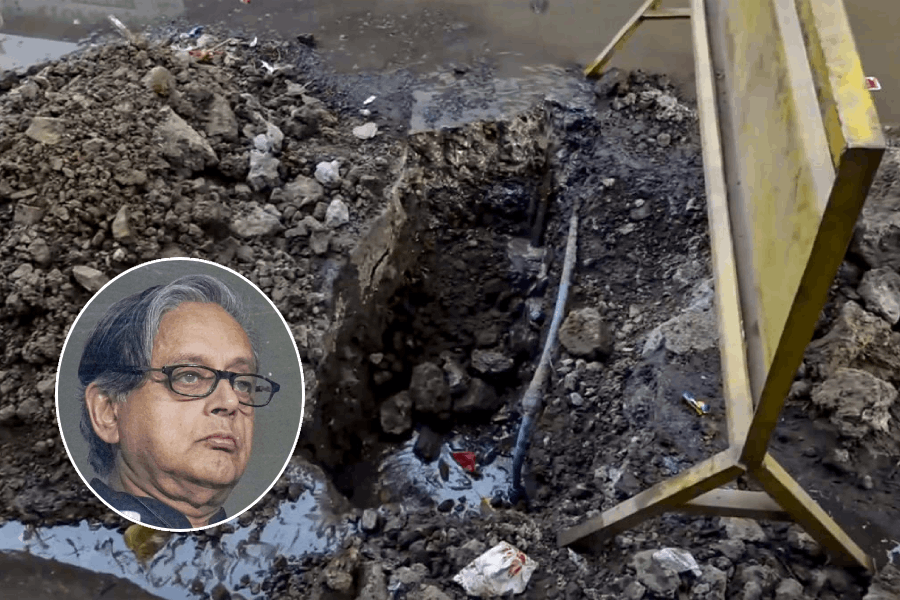
He said he had ordered the “removal” (transfer) of municipal commissioner Dilip Kumar Yadav, and the suspension of additional municipal commissioner Rohit Sissoniya and in-charge superintendent engineer of the Public Health Engineering department, Sanjeev Shrivastava.
Earlier on Friday, the state government submitted a 40-page status report before the High Court in response to a Public Interest Litigation filed by Ritesh Inani.
The report said the outbreak of diarrheal illness due to contaminated water supply was now under effective control, with continuous minute to minute monitoring in place to prevent any resurgence.
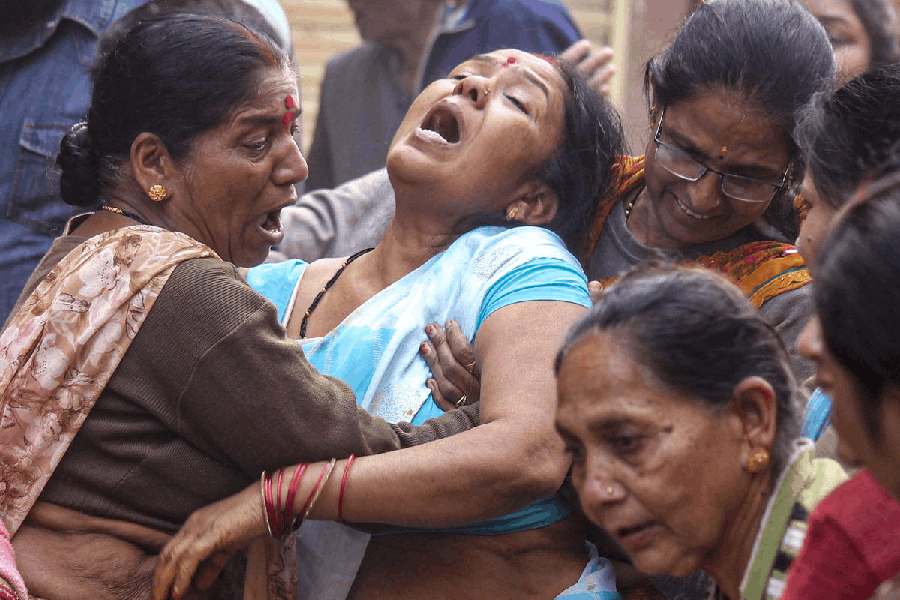
According to the status report, 294 patients were admitted across various facilities since the outbreak began.
Of these, 93 patients have been treated and discharged. Of the remaining 201 patients, 32 were admitted to the Intensive Care Unit at present.
The report placed the death toll due to the diarrheal outbreak at four. However, Indore Mayor Pushyamitra Bhargava said he had received information about 10 deaths.
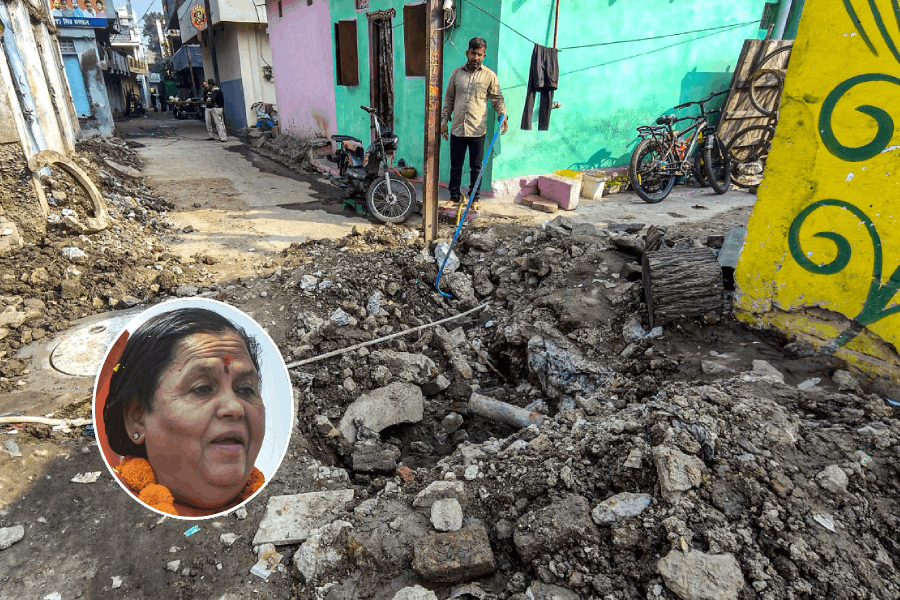
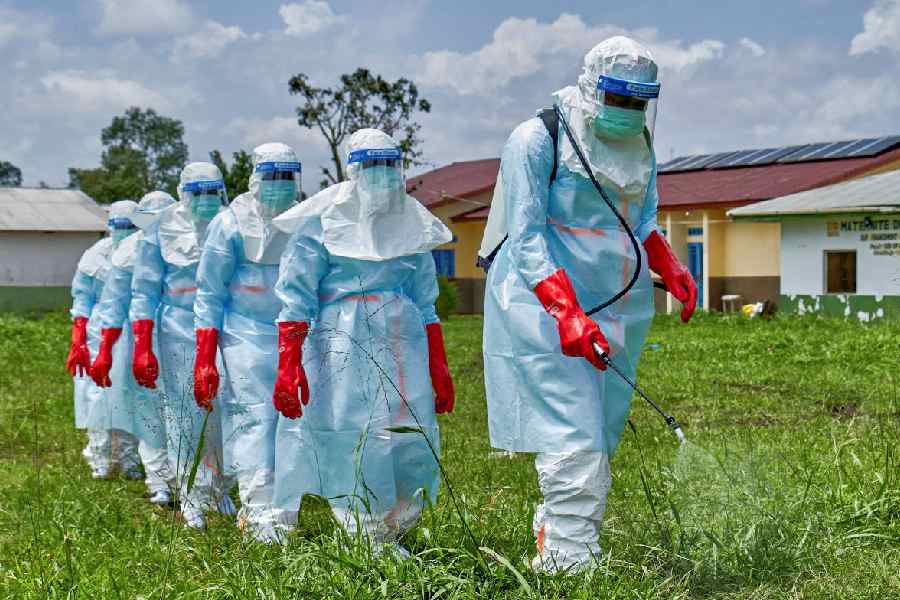
On the ground, a joint survey team comprising officials from the district administration, municipal corporation and the Health Department is conducting door to door screenings.
The teams are identifying new cases and distributing preventive ORS sachets and Zinc tablets to residents to stop symptoms from escalating.
The government report countered the allegation made in the PIL that victims were left unaided. It highlighted a directive issued on 30 December mandating that all private hospitals must provide entirely free treatment, including diagnostics and medicines, to all affected persons.
The directive also said hospitals must not refuse admission to any patient from the affected area and must charge no fees, with the State Government guaranteeing full reimbursement to private facilities.
While acknowledging that “no amount of monetary assistance can ever compensate for the loss of human life,” the state government said it had distributed ex gratia assistance of Rs 2,00,000 to the families of the deceased as an immediate supportive measure.