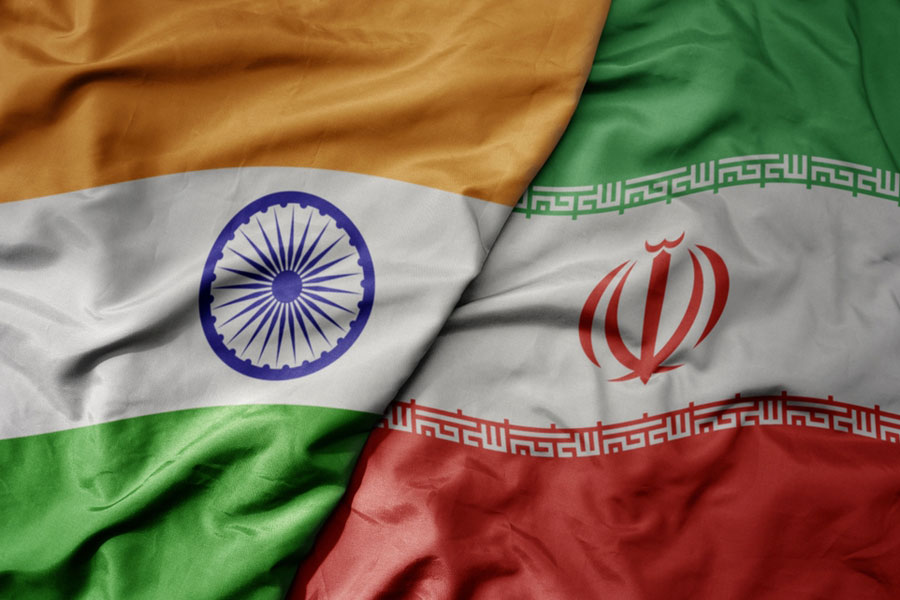
Iran is keen to deepen cooperation with India in counter-terrorism and addressing regional instability, the country’s newly appointed Ambassador to India, Mohammad Fathali, has said.
Emphasising the importance of sharing experiences in combating extremist violence while respecting each other’s independent policies and national interests, Fathali pointed to several areas where the two countries could work more closely.
In an interview with PTI Videos on Tuesday, the ambassador also highlighted the scope for launching new initiatives with India in emerging technologies, renewable energy, academic and scientific collaboration, and cultural diplomacy.
“Terrorism and regional instability are areas where Iran and India can expand cooperation, with full respect for each other’s independent policies and national interests,” the ambassador said, referring to India’s actions against terrorism in May and Iran’s own challenges amid ongoing regional tensions.
“Iran has long been a victim of terrorism and has paid a heavy price in confronting extremist violence. In this fight, we have lost many of our best commanders and soldiers, which reflects the seriousness of our commitment to countering terrorism,” he said.
Fathali noted that Iran has developed significant expertise in counter-terrorism and is willing to share its experience with “friendly partners.” Succeeding Dr Iraj Elahi as ambassador, he said his focus would be on building upon his predecessor’s work while initiating cooperation in new priority areas.
“My priority will be to ensure continuity and further build on these valuable achievements. Strengthening regular political dialogue, expanding economic and cultural cooperation, and enhancing engagement between the private sectors of the two countries will remain key areas of focus,” the ambassador said.
He also acknowledged existing challenges in bilateral ties, including unilateral sanctions, banking restrictions, limited awareness within the private sectors, and logistical constraints.
“I believe these challenges can be addressed through sustainable financial arrangements, streamlined trade procedures, and stronger direct engagement between business communities in both countries,” he said.
Bilateral trade between India and Iran continues to remain well below its earlier peak, largely due to US sanctions imposed on Tehran. In 2024, total trade between the two countries stood at around USD 2.3 billion, with India exporting USD 1.25 billion to Iran and importing USD 1.06 billion.
This marks an 87 per cent decline from the 2018-19 peak of nearly USD 17 billion, when crude oil accounted for the bulk of imports. India stopped importing crude oil from Iran in May 2019 after US sanctions waivers expired.
Highlighting regional connectivity, the ambassador underlined the strategic significance of the Chabahar Port project, calling it a crucial pillar for facilitating India’s access to Afghanistan, Central Asia and the International North-South Transport Corridor.
“By reducing transit time and costs, this connectivity framework can strengthen regional supply chains and enhance trade resilience for all participating countries,” the ambassador stated.
Ambassador Fathali presented his credentials to President Droupadi Murmu on December 15.