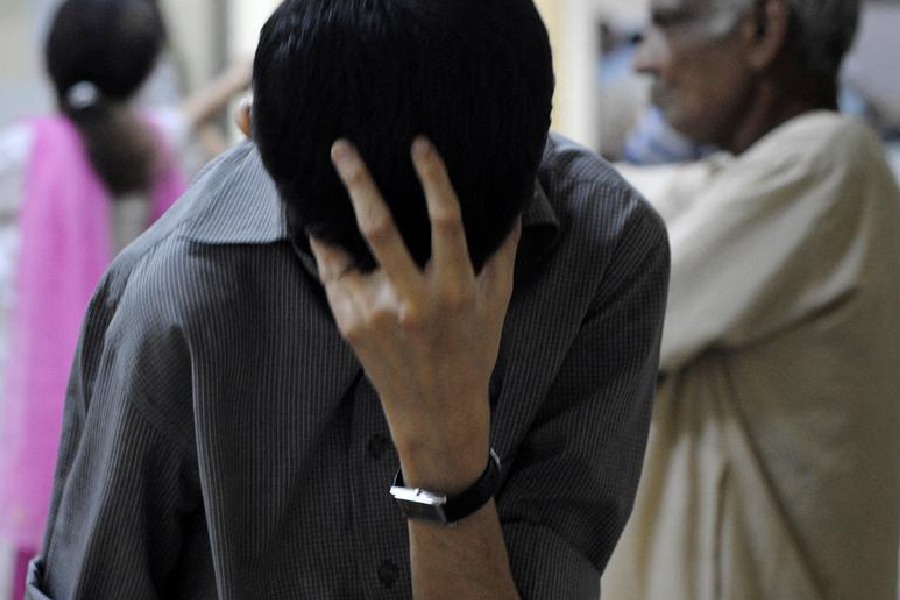
The Indian Psychiatric Society (IPS) has flagged deep concern over India’s persistently high mental health treatment gap, warning that nearly 80–85 per cent of individuals suffering from psychiatric disorders do not receive timely or appropriate care.
The issue was highlighted during the curtain-raiser event of the 77th Annual National Conference of the Indian Psychiatric Society (ANCIPS 2026), scheduled to be held from January 28 to 31 at Yashobhoomi in Delhi.
Mental health experts said that despite advances in treatment and growing public awareness, a majority of people with mental illness continue to remain outside the formal healthcare system.

According to data from the National Mental Health Survey (NMHS), India faces one of the widest treatment gaps globally, with more than 85 per cent of individuals suffering from common mental disorders not seeking or receiving treatment.
Globally, over 70 per cent of people with mental illness do not receive care from trained healthcare professionals. In many low-income countries, fewer than 10 per cent of those in need actually access necessary treatment.
India, with its large population and limited mental health infrastructure, remains particularly vulnerable to this challenge, experts said.
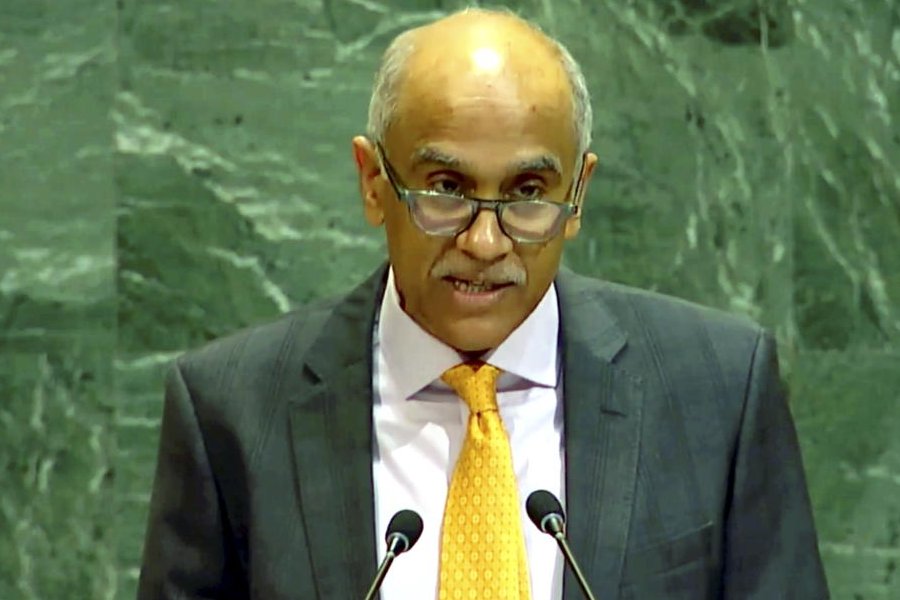
Addressing the gathering, Dr Savita Malhotra, President of the Indian Psychiatric Society (IPS), emphasised that mental illnesses are among the most treatable health conditions if identified early and managed appropriately.
"Mental health disorders are highly treatable, yet the majority of patients in India continue to suffer in silence. The fact that over 80 per cent of people do not receive timely psychiatric care reflects deep-rooted stigma, lack of awareness, and inadequate integration of mental health services into primary healthcare.
"This is not just a medical concern; it is a social, economic, and developmental issue that demands urgent national attention," she said.
Experts at the event outlined several interlinked reasons behind the long delays in seeking psychiatric care, which often range from several months to even years.
Social stigma and discrimination remain major barriers, as individuals fear being labelled, judged, or marginalised by family, workplace and society.
Lack of awareness further compounds the problem, with many people failing to recognise early symptoms of mental illness as medical conditions requiring professional help.
Another significant contributor to the treatment gap is the acute shortage of mental health professionals in India.
Dr Nimesh G Desai, Chairperson, Organising Committee and former Director of the Institute of Human Behaviour and Allied Sciences (IHBAS), highlighted the serious consequences of delayed or absent treatment.
When psychiatric care is delayed, the illness often becomes more severe and chronic, leading to greater disability, family distress, loss of productivity and a significantly increased risk of self-harm and suicide, he said.
"Mental health must be addressed with the same urgency and seriousness as physical health. Strengthening community-based services, training primary care doctors, and improving referral systems are essential steps to bridge this unacceptable treatment gap," Desai said.
Highlighting the role of the upcoming national conference, Dr Deepak Raheja, Organising Secretary of ANCIPS Delhi and Director, Hope Care India, said that that integration of mental health services into primary healthcare, increased budgetary allocation, expansion of the mental health workforce and sustained nationwide awareness campaigns are urgently needed to reduce stigma and improve access.
"ANCIPS 2026 Delhi will serve as a vital platform for mental health professionals, policymakers, and stakeholders to come together and develop practical, evidence-based solutions to improve access, affordability, and acceptability of mental healthcare. Our collective aim is to ensure that no individual is denied mental health support due to fear, stigma, or lack of resources," Raheja said.
The burden of untreated mental illness is particularly severe among vulnerable groups. Studies indicate that nearly 80 per cent of children and adolescents with diagnosable mental disorders in certain regions do not receive any form of treatment, affecting their education, emotional well-being, and long-term life outcomes.
Similarly, close to 84 per cent of older adults with mental health conditions in India remain untreated, often due to neglect, lack of awareness, social isolation, or the mistaken belief that psychological symptoms are a normal part of ageing.
Delayed treatment has far-reaching consequences not only for individuals and families but also for society and the economy. Untreated mental illness contributes to increased morbidity and mortality, higher rates of substance use disorders, unemployment, family breakdown and suicide, experts said.
While recent initiatives such as the Tele-MANAS national mental health helpline, expansion of the District Mental Health Programme and greater policy focus on mental health are positive steps, IPS experts stressed that these efforts must be scaled up substantially to meet the growing demand.
The IPS emphasised that mental health must be recognised as an integral component of overall health, deserving the same priority, investment and urgency as physical healthcare.