The Opposition’s INDIA bloc on Wednesday said it supports women’s reservation but will oppose the proposed delimitation bill, while Union minister Nirmala Sitharaman said there would be committees in every state for consultation with all stakeholders.
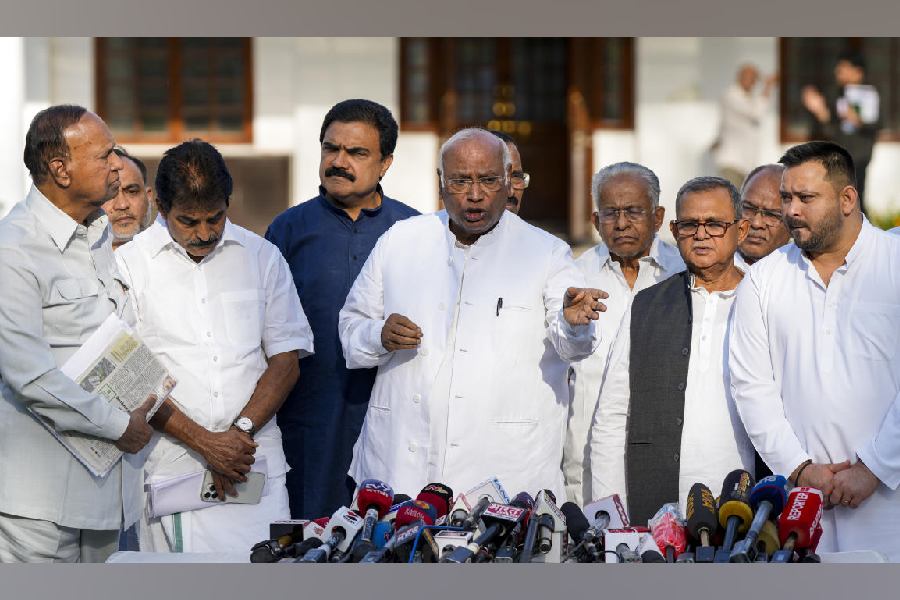
Congress president Mallikarjun Kharge announced the decision after a meeting of Opposition parties, drawing a distinction between backing 33 per cent reservation for women and objecting to the manner in which the government is moving on delimitation.
“We are not against women's reservation, but oppose the way the government is bringing the bills. It is politically motivated. We have decided to oppose the delimitation bill,” Kharge said.
Kharge further said, “Though we have supported the Women's Reservation Bill continuously, we insist that the earlier amendments be implemented. They are playing some tricks over delimitation. We all parties should fight in Parliament. We will oppose this bill, but we are not against the reservation (for women)."
Opposition parties have raised concerns over the absence of a recent census and the potential impact of delimitation on representation across states.
Congress MP Jairam Ramesh said, "Election campaigning is underway in West Bengal and Tamil Nadu. In the middle of this, they have brought these three bills. Here, they have brought a Constitution amendment bill which connects women's reservation and delimitation. This delimitation is very dangerous. The Union home minister and many other ministers have said the parliamentary seats in Lok Sabha will be increased by 50 per cent, and seats in all states will be increased proportionately.”
“This has not been mentioned in the bill being brought. Based on this bill, the proportion (of seats) of many states will decrease. The way the delimitation commission worked in J&K and Assam has made it clear that the commission is a tool in the hands of the BJP to gain a majority. All opposition parties want women's reservation to be done based on 543 parliamentary seats. We are against the provisions of delimitation. We want women's reservation to be implemented from the next Lok Sabha elections." Ramesh said.
Shiv Sena (UBT) MP Sanjay Raut said, "The way they are rushing to bring this bill, with elections underway in five states, they (BJP) think that the MPs from those states won't come for voting, but everyone is coming for voting. We will take a collective decision and defeat the bill. We will support the Women's Reservation Bill, but the game of delimitation being played under its guise is very dangerous."
Earlier on Wednesday, Union finance minister Nirmala Sitharaman said that the delimitation process would involve consultations.
Sitharaman said: “There will be a delimitation committee for every state, and it will talk to all parties then only a call will be taken. So why is the fear? You have a fear of the SIR, the Election Commission, Parliament. You have a fear about every law which is passed.”
Targeting West Bengal chief minister Mamata Banerjee, Sitharaman said, “Mamata Banerjee, please say what is your idea of governance? Is she suggesting that women will have to wait any longer, and she would not cooperate. Let her say that openly. I challenge her. Is she trying to stop reservations for women and putting fear in the minds of people in Bengal?”
Mamata had earlier said the proposed delimitation exercise could “divide Bengal” and alleged that the Centre was moving ahead without consultations.
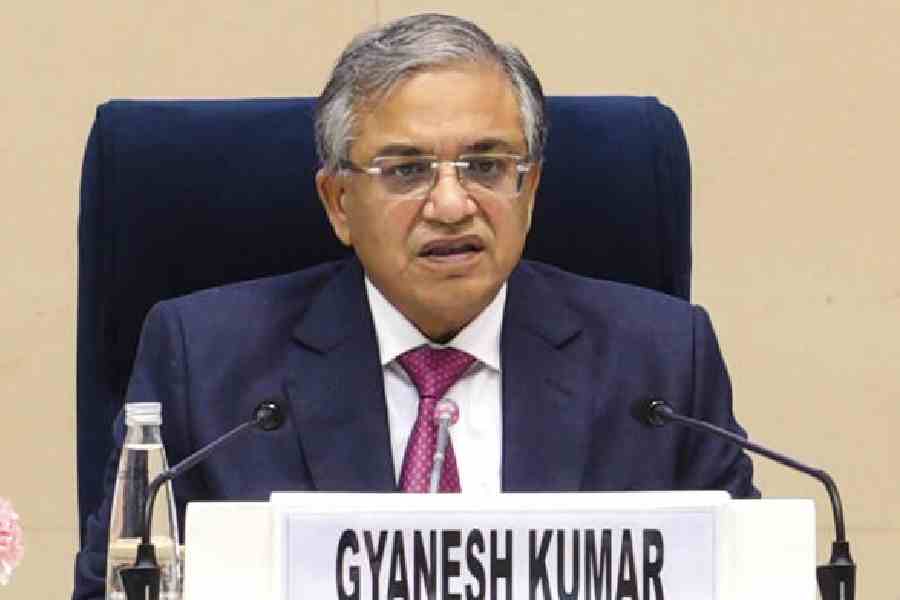
"Elections are going on, and in the middle of that, they are bringing the Delimitation Bill in Parliament. This was not even debated. The reason behind this is that they want to divide Bengal and conduct the NRC here. Our fight is with 'Vanish Kumar' (referring to CEC Gyanesh Kumar). I reiterate this, BJP will be gone one day very soon," Mamata said at an election rally on April 11.
The Centre has indicated that the proposed increase in Lok Sabha seats, up to a cap of 850, is not final and will depend on the recommendations of delimitation panels to be set up in each state.
At present, Lok Sabha has 543 seats.
The Women’s Reservation (Amendment) Bill requires that reserved seats be rotated following each delimitation exercise, guaranteeing that women’s representation is spread across various geographical constituencies over time.